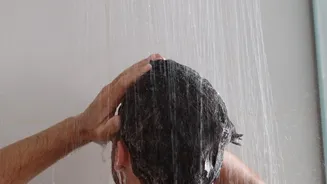





On a cold winter day, nothing feels more comforting than a long, steaming hot shower. But while it soothes your soul, it might be harming your skin. This common winter habit can strip your skin of its essential moisture, leading to dryness and irritation.
The Science Behind the Steam
Your skin has a natural protective barrier made of oils, or lipids, that locks in moisture and keeps it soft and supple. Hot water, however, acts as a powerful solvent that strips away these crucial oils. This process, combined with the low humidity of cold winter air and indoor heating, weakens the skin's outermost layer, known as the stratum corneum. A compromised barrier allows moisture to escape easily, leading to the familiar symptoms of winter skin: tightness, itchiness, flaking, and even redness or cracking. In severe cases, this can leave your skin vulnerable to bacterial infections.
Turn Down the Temperature
You don't have to switch to cold showers to protect your skin. The key is to use lukewarm water. Dermatologists recommend an optimal temperature range of around 37°C to 40°C, which feels comfortably warm without being hot. A simple way to check is to see if your skin turns red or pink during your shower; if it does, the water is likely too hot. Limiting your shower time is equally important. Aim for short showers of about 5 to 10 minutes to minimize water exposure and prevent further moisture loss.
Choose Your Cleanser Wisely
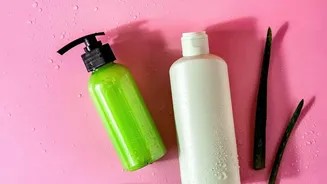
The soap you use can either help or hinder your winter skin goals. Harsh, alkaline soaps can further strip your skin's natural oils, exacerbating dryness. During winter, it's best to switch to a gentle, hydrating, and fragrance-free cleanser. Look for cream-based or oil-based formulas that clean the skin without leaving it feeling tight. Ingredients like ceramides, which help restore the skin's barrier, and glycerin or hyaluronic acid, which attract moisture, are excellent choices for winter cleansers.
The Art of Patting Dry
Your post-shower routine is just as important as the shower itself. Vigorous rubbing with a coarse towel can cause irritation and micro-tears on already sensitive winter skin. Instead of rubbing, gently pat your skin dry with a soft towel. Leaving your skin slightly damp is ideal, as this creates the perfect canvas for the most critical step in preventing winter dryness: moisturizing.
Lock in Moisture Immediately
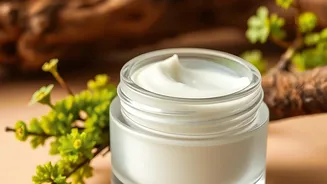
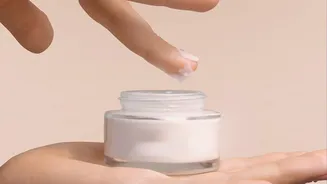
Timing is everything when it comes to moisturizing. To effectively combat dryness, you should apply a moisturizer within a few minutes of stepping out of the shower while your skin is still damp. This helps to lock in the hydration your skin just absorbed. In winter, lightweight lotions often aren't enough. Opt for a thicker cream or ointment that comes in a tub or tube rather than a pump bottle. Seek out products containing deeply hydrating ingredients like shea butter, ceramides, petrolatum, and hyaluronic acid to repair the skin barrier and keep it moisturized.
Beyond the Bathroom
A few extra lifestyle adjustments can make a big difference. Using a humidifier in your home can add much needed moisture back into the dry, heated air, which helps your skin stay hydrated. Don't forget that hydration starts from within, so be sure to drink plenty of water throughout the day. When you go outside, protect exposed skin by wearing gloves and scarves. Finally, choose soft, breathable fabrics like cotton to wear against your skin to avoid irritation caused by rough materials like wool.