








The Irresistible Pull of Proximity and Price
The most significant driver behind Asia's rising popularity is a powerful combination of cost and convenience. For decades, an international trip for many Indians meant saving up for a major excursion to Europe or the United States. Today, that model
is being upended by the sheer accessibility of Southeast Asia. Destinations like Thailand, Vietnam, and Malaysia are just a four to six-hour flight away from major Indian cities, making them perfect for a quick getaway. This proximity drastically reduces travel fatigue and, more importantly, airfare costs. Compounding this is the fact that many of these nations offer exceptional value for money. From luxury resorts at a fraction of Western prices to delicious street food that costs less than a coffee in Paris, the rupee simply stretches further, allowing for more lavish experiences on a tighter budget.
The Golden Ticket: Hassle-Free Visas
Perhaps the biggest game-changer has been the loosening of visa restrictions. Several Asian countries, in a bid to attract one of the world's fastest-growing tourism markets, have rolled out visa-free entry or simplified e-visa processes for Indian passport holders. Thailand, Malaysia, Sri Lanka, and Indonesia are among the popular spots where Indians can now travel with minimal paperwork, sometimes on a complete visa waiver. This removes a major logistical and psychological barrier, transforming the idea of an international trip from a months-long planning project into a spontaneous decision. The ability to book a last-minute trip on a long weekend is a powerful lure, especially for young professionals and families looking for a quick escape without bureaucratic hurdles.
A New Definition of a 'Good' Holiday
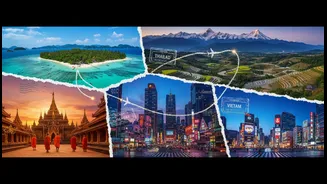
This pivot to Asia isn't just a pragmatic choice; it reflects a deeper change in what Indian travellers want from their holidays. The 'bigger shift' is a move away from the single, long, annual vacation towards multiple, shorter, and more frequent trips. Instead of just ticking landmarks off a list, the modern Indian traveller is seeking immersive experiences. They want to dive into local culture, explore culinary scenes, and engage in adventure activities. Southeast Asia, with its incredible diversity—from the spiritual tranquility of Balinese temples and the historical weight of Cambodia's Angkor Wat to the vibrant chaos of Bangkok's nightlife and the natural wonder of Vietnam's Ha Long Bay—caters perfectly to this demand for variety. This approach prioritises a rich collection of experiences over the prestige of a single, far-flung destination.
The Digital Nomad and the DIY Traveller
Technology has been a massive enabler of this trend. Empowered by booking platforms, travel blogs, and social media, a new generation of 'Do-It-Yourself' travellers is confidently planning their own itineraries. YouTube vlogs and Instagram feeds provide endless inspiration, making once-unfamiliar destinations feel accessible and exciting. This digital fluency is particularly strong among Gen Z and millennial travellers, who are also more likely to be influenced by pop culture and the desire for aesthetic, shareable moments. Furthermore, the rise of remote work has created opportunities for longer stays, blurring the lines between vacation and life. The affordability and strong connectivity in many Asian cities make them ideal for Indians looking to work from a beachside cafe for a few weeks.