






A New Economic Chapter for Women
For decades, a significant portion of India's female population remained outside the formal labour market, facing challenges from societal norms to a lack of opportunities. However, recent trends indicate a remarkable shift. India's Female Labour Force
Participation Rate (LFPR) has seen a significant jump, rising from 23.3% in 2017-18 to 40% in 2025. This surge is not just about numbers; it's about the transition into better-quality, formal employment. In urban centres, where aspirations and economic pressures converge, skilling initiatives have become a critical bridge, connecting motivated women with the jobs of a new, evolving economy.
Beyond the Basics: Skills for Today's Jobs
Modern skilling programs go far beyond simple vocational training. Recognizing that technical ability alone isn't enough, these initiatives offer a holistic curriculum. This includes digital literacy, financial management, communication, and problem-solving—often called 'soft skills'. Government-led missions like the Pradhan Mantri Kaushal Vikas Yojana (PMKVY) and programs by the National Skill Development Corporation (NSDC) are focusing on future-ready jobs. The emphasis is on equipping women with practical, industry-relevant competencies that make them not just employable, but competitive.
Tapping into High-Growth Sectors
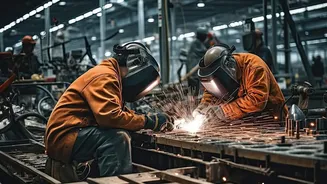
The impact is most visible in India's booming sectors. Technology-intensive industries are increasingly hiring women. For instance, as of July 2026, women constituted nearly 70% of the direct workforce in mobile phone manufacturing. The broader electronics manufacturing sector has also seen a significant influx of female employees. Furthermore, a growing number of women are making their mark in the semiconductor industry and taking on specialised roles in civil aviation. Skilling programs are specifically targeting these high-growth areas, including emerging fields like Artificial Intelligence and renewable energy, ensuring women are not left behind in the technological transition.
Overcoming Long-Standing Barriers
The path to formal employment for many urban women is often complicated by systemic challenges, including family responsibilities, limited mobility, and ingrained gender biases. Successful skilling programs are designed with these realities in mind. Many offer flexible learning schedules, accessible training centres, and even mentorship to help build confidence. The provision of placement support is another crucial element, as it helps graduates navigate the job market and connect with reputable employers. By addressing these practical and social hurdles, these initiatives create a supportive ecosystem that allows women to not only start a career but also sustain it.
The Ripple Effect of Empowerment
When a woman secures a formal sector job, the benefits extend far beyond her payslip. Financial independence grants women greater agency within their households and communities. This economic empowerment has a powerful ripple effect: families see improved living standards, children's education often gets a boost, and the woman herself gains self-confidence and a stronger sense of identity. On a larger scale, this trend is vital for India's economic growth. With more women entering the formal workforce and even launching their own enterprises, the nation unlocks a massive talent pool that is critical for sustained development. As of October 2026, women-owned enterprises accounted for about 38% of all registered MSMEs, showcasing a rising entrepreneurial spirit.