


Start with Your Bag's First Defence
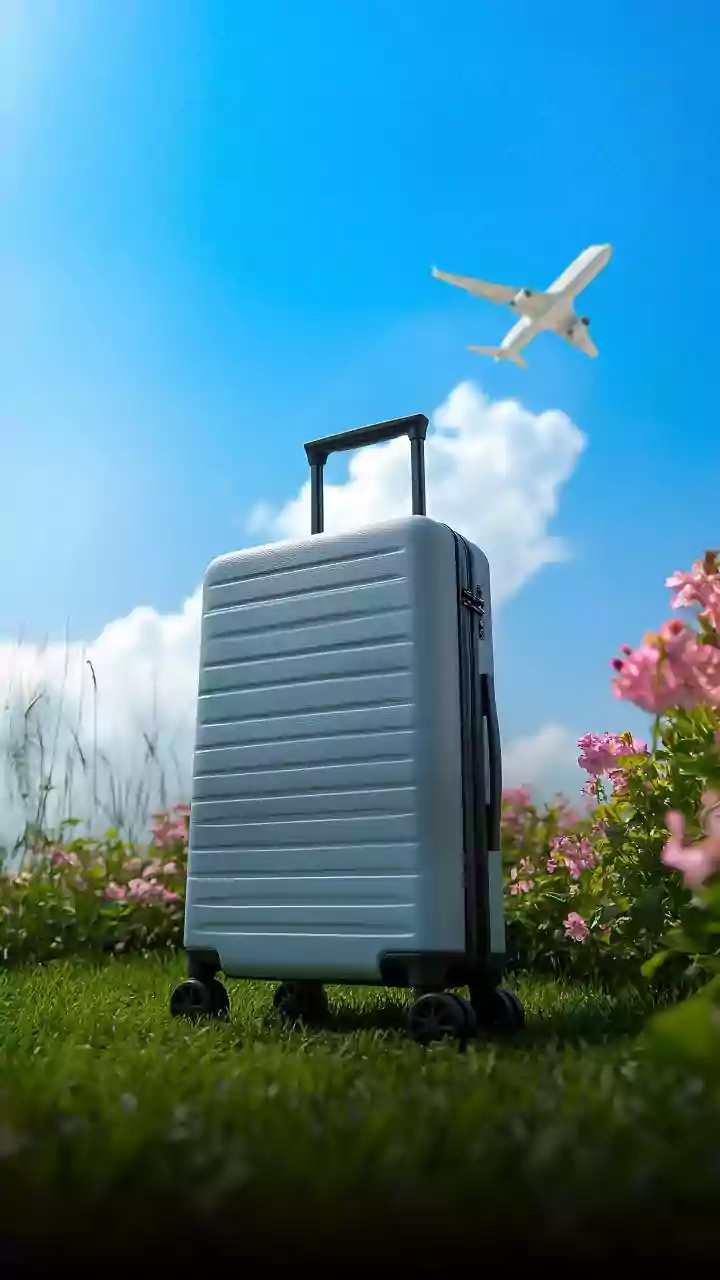
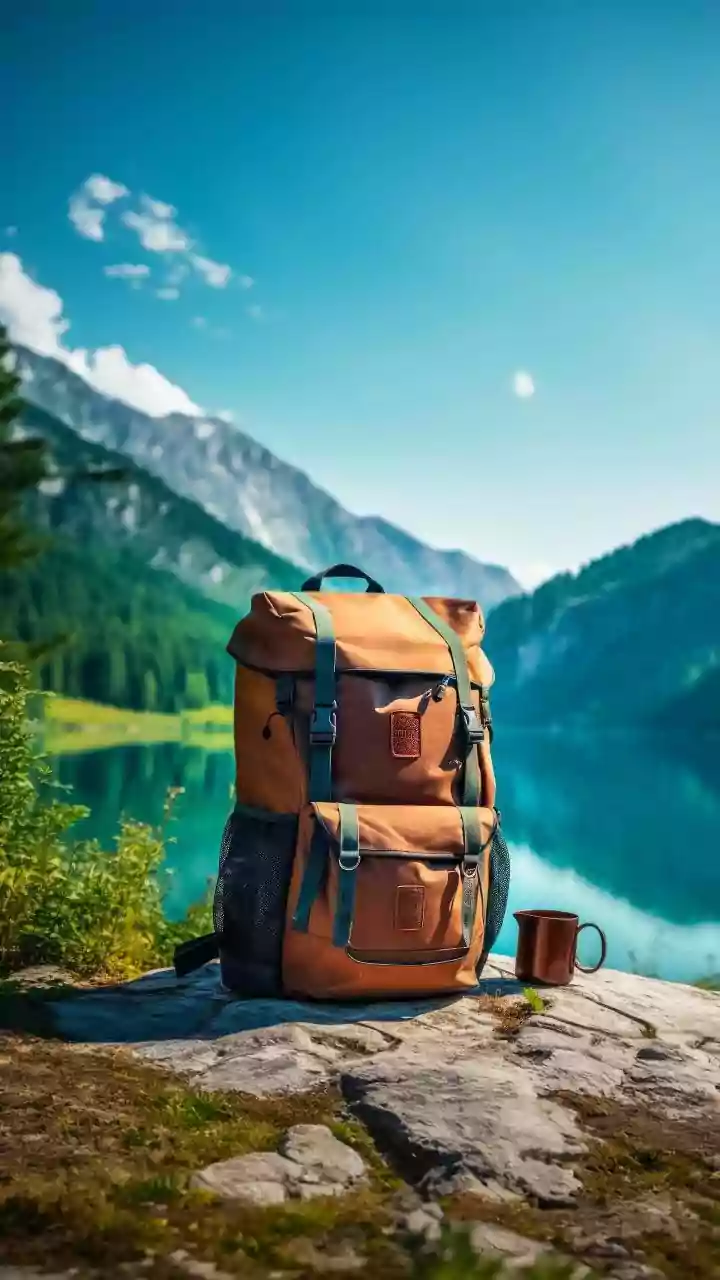
The best defence begins with your main bag. If your backpack or travel bag isn't inherently water-resistant, a simple external rain cover is a worthy investment. These lightweight covers fold down into a tiny pouch and can be deployed in seconds to shield
your entire bag from a sudden shower. For an added layer of internal protection, line the main compartment of your backpack with a large, heavy-duty plastic bag before you start packing. This creates a secondary barrier, ensuring that even if the outer fabric gets damp, the contents inside remain perfectly dry. This dual-layer approach provides peace of mind before you even pack a single item.
Create a Fortress for Your Electronics
For expensive electronics like laptops, tablets, and cameras, relying on just a backpack is a risky game. A padded, waterproof sleeve or case should be your first line of defence. However, for smaller items or if you're in a pinch, the humble zip-top plastic bag is a traveller's best friend. Don't be afraid to double-bag your smartphone, power bank, and charging cables. For extra security, place these bagged items in a dedicated dry bag—a flexible, watertight pouch with a roll-top closure. This compartmentalisation not only protects your tech from external rain but also from any potential spills from a water bottle or toiletries inside your bag.
Pre-Treat Your Shoes Before You Leave
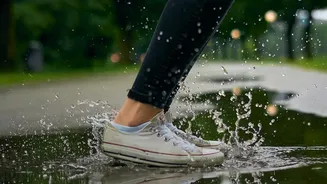
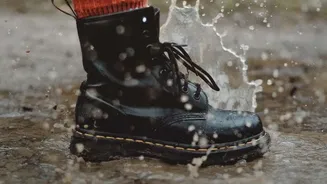
The secret to spotless shoes in wet weather often starts at home. Before you even pack them, apply a quality water and stain repellent spray. This creates an invisible shield on materials like canvas, suede, and even leather, causing water to bead up and roll off rather than soak in. For leather shoes, applying a polish or conditioner can also help maintain their suppleness and provide a barrier against moisture. It’s a simple, proactive step that takes just a few minutes but can save you the headache of dealing with waterlogged and stained footwear later on.
Pack a Shoe Emergency Kit
Even with preventative measures, some dirt and dampness is inevitable. A small, dedicated shoe care kit can be a lifesaver. Pack a small microfibre cloth to wipe away mud and grime as soon as you get indoors, before it has a chance to set. If space allows, include a small, soft brush for scrubbing stubborn dirt from soles. For more intense situations, shoe-cleaning wipes offer a convenient, no-mess solution for on-the-go touch-ups. To combat odour from dampness, consider packing charcoal shoe fresheners or even a small pouch of baking soda to absorb moisture and neutralise smells overnight.
The Right Way to Dry Soaked Shoes
If your shoes do end up soaked, resist the urge to place them near a heater, in direct sunlight, or use a hairdryer. Intense, direct heat can warp the material, damage the adhesives, and cause leather to crack. The best method is to let them air dry naturally. To speed up the process, remove the insoles and laces. Then, stuff the shoes tightly with crumpled newspaper or paper towels, making sure to pack it into the toe area. The paper will absorb a surprising amount of moisture. Replace the damp paper every few hours until the shoes are only slightly moist, then leave them in a well-ventilated area to finish drying completely.
Isolate Wet and Dirty Items
A smart packing system includes a dedicated zone for items that are wet or dirty. Don't let a soaked pair of socks or a muddy pair of shoes compromise the rest of your clean, dry clothes. Pack a few extra plastic bags or a specific 'wet bag' for this purpose. This is also where you can store a damp umbrella or a rain jacket that hasn't had time to dry. By keeping wet items separate, you maintain the integrity of your entire pack and prevent moisture and odour from spreading to your other belongings.