






The Problem with Point-to-Point Plans
We’ve all been there. You map out a perfect weekend itinerary: a scenic drive to point A, a trek at point B, and a stay at point C. It seems flawless until an unexpected downpour leads to a waterlogged road or a slippery, unsafe trail. During the monsoon,
a rigid, linear travel plan is fragile. A single disruption can have a domino effect, forcing you to spend more time rerouting and replanning than actually enjoying your break. The stress of constantly moving, packing, and unpacking, all while battling unpredictable weather, can quickly turn a relaxing getaway into a logistical nightmare. This is especially true for popular monsoon circuits where one blocked road can cause major delays for everyone.
The 'Hub-and-Spoke' Solution
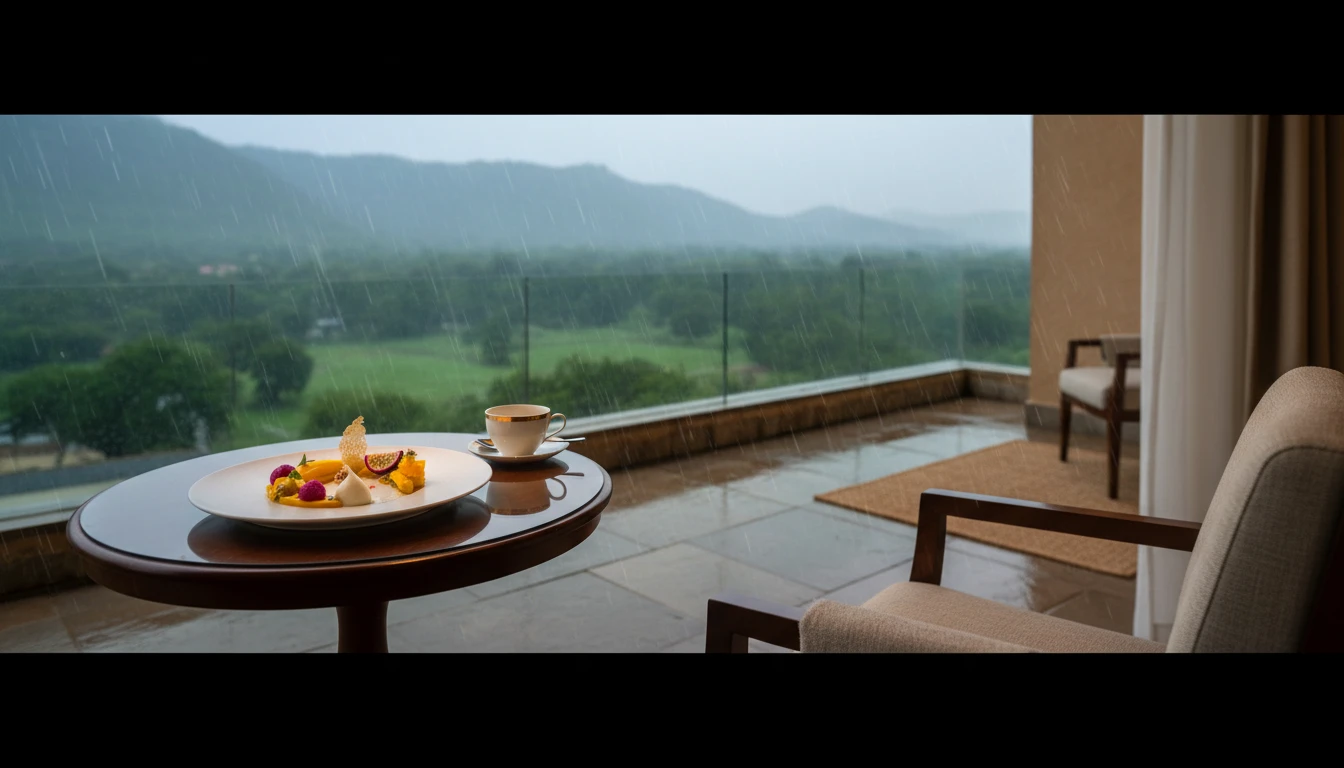
A far more resilient and enjoyable strategy is the 'hub-and-spoke' model. The concept is simple: instead of hopping from place to place, you settle into one comfortable 'hub' location for the entire weekend. This becomes your base camp. Each day, you venture out on short 'spoke' trips to nearby attractions, returning to the comfort of your base in the evening. This approach gives you ultimate flexibility. If the weather is bad, you can choose an indoor activity or simply relax at your hotel. If a particular road is blocked, you can easily pivot to another nearby destination without upending your entire trip. You'll spend less time in transit and more time soaking in the atmosphere, all with the convenience of a stable home base.
Example 1: Lonavala as Your Western Ghats Hub
Lonavala is a classic monsoon destination for a reason, and it serves as a perfect hub for exploring the Sahyadris. Settle into a hotel here, and your options fan out in every direction. On a clear morning, you could drive to Tiger Point or Lion's Point for breathtaking, misty views. If it’s drizzling, a visit to the ancient Karla and Bhaja Caves offers a historical excursion that’s largely covered. For families, many resorts have indoor activities, and a trip to a local chikki shop is a must. If roads are clear, a drive towards Pawna Lake can be scenic, but if not, you can simply enjoy the countless small waterfalls that spring up nearby, grab a roasted corn cob, and enjoy the cool weather from a cozy cafe.
Example 2: Udaipur as Your Royal Monsoon Base
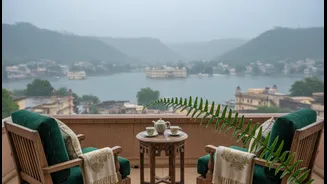
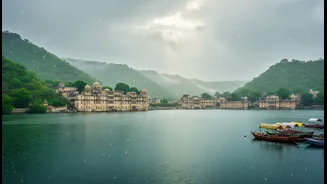
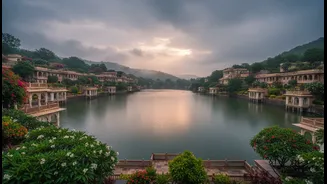
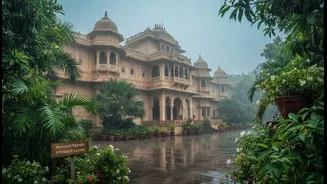
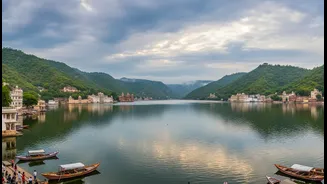
While Rajasthan is known for being arid, Udaipur transforms into a romantic, green paradise during the monsoon, making it an excellent hub. The lakes fill up, the Aravalli hills turn lush, and the weather becomes incredibly pleasant. From a base in the city, your spokes are numerous. A rainy day is perfect for exploring the vast City Palace complex or the beautiful interiors of Bagore Ki Haveli. You could also indulge in a cooking class or visit the Vintage Car Museum. When the rain lets up, take a boat ride on a swollen Lake Pichola or drive up to the aptly named Monsoon Palace (Sajjangarh) for panoramic views of the city cloaked in clouds. The flexibility means you can enjoy both the city's indoor heritage and its stunning natural beauty as the weather permits.
Example 3: Munnar as Your Green Southern Hub
Down south, Munnar in Kerala is an idyllic hub for a monsoon retreat. The main attraction is the atmosphere itself—misty tea gardens, the smell of wet earth, and the cool, crisp air. From your base in or around Munnar town, you can plan short, manageable trips. One day could be a visit to the Tata Tea Museum to learn about the region's history, a perfect rainy-day activity. Another could be a scenic drive to Mattupetty Dam or Kundala Lake, where boating is sometimes possible, depending on rainfall. Many spice plantations offer tours, and local shops sell delicious homemade chocolates. If a heavy downpour makes trekking to waterfalls like Attukad or Lakkam inadvisable, you can always opt for a relaxing Ayurvedic treatment, a quintessential Kerala experience. The hub model here is about immersion, not mileage.