







Meet Your Body’s Internal Clock
Our bodies operate on a 24-hour internal clock known as the circadian rhythm. This natural cycle, influenced by light and darkness, governs everything from our sleep-wake patterns to hormone release and, importantly, our metabolism. Think of your digestive
system as being most alert and efficient during the daytime. It's primed to break down food, absorb nutrients, and convert them into energy when we are most active. As evening approaches, our metabolism naturally begins to slow down, preparing the body for a period of rest and repair during sleep. The field of science studying this relationship between our internal clocks and food is called chrononutrition.
The Midday Meal and Your Gut Microbiome
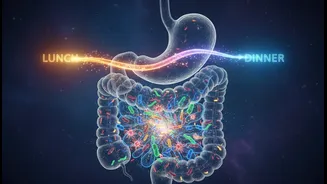
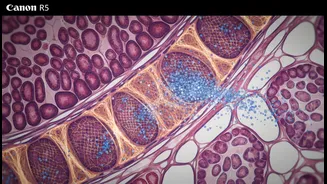
Your gut is home to trillions of microbes that also follow a daily rhythm. These bacteria play a vital role in digestion, immune function, and even mood. Aligning your meals with their natural cycle can help maintain a healthy and diverse microbial community. When you eat your largest meal in the middle of the day, you're supplying fuel when your digestive system and gut microbes are at their peak efficiency. Conversely, eating a large meal late at night can disrupt this delicate balance. During the night, your gut is supposed to be in a fasting and repair state. Forcing it to digest a heavy meal can interrupt this crucial maintenance work and may lead to an imbalance in gut bacteria, a condition known as dysbiosis.
The Sleep-Digestion Connection
A good night's sleep is not just about feeling rested; it's a critical time for the body to perform restorative processes. However, eating a large dinner too close to bedtime can interfere with sleep quality. Your body's temperature naturally drops to initiate sleep, but digestion is an active process that raises it, potentially making it harder to fall asleep. Furthermore, a late, heavy meal can cause digestive discomfort like acid reflux or indigestion, leading to a restless night. By shifting your main calorie intake to midday, you allow your body several hours to digest before you lie down. When your digestive system isn't working overtime, your body can better focus on the crucial tasks of sleep, helping you wake up feeling more refreshed.
What This Looks Like in Practice
Adopting this eating pattern follows the old adage: "Breakfast like a king, lunch like a prince, and dine like a pauper." A front-loaded calorie approach means consuming the majority of your daily food intake earlier in the day. A balanced breakfast could kickstart your metabolism, followed by a substantial, nutrient-dense lunch. Your evening meal would then be lighter and smaller, eaten at least two to three hours before you go to bed. This pattern can also help regulate appetite. Studies have shown that people who eat a larger meal earlier report feeling fuller and more satiated throughout the day, which may reduce the urge for late-night snacking on processed foods that can disrupt both gut health and sleep.
Making the Shift Work for You
Changing long-held eating habits can be challenging, especially with demanding work schedules. The key is to make gradual adjustments. You don't have to overhaul your entire routine overnight. Start by slightly increasing the size of your lunch while making your dinner a little lighter. Meal prepping can be a powerful tool, ensuring you have a satisfying and healthy lunch ready to go, preventing you from grabbing a small, unsatisfying bite and overcompensating at dinner. Listen to your body's hunger and fullness cues. The goal is not rigid restriction but creating a sustainable eating pattern that aligns with your body's natural rhythms, leaving you with more stable energy during the day and better rest at night.