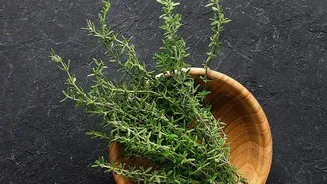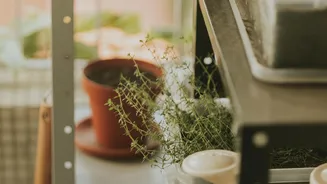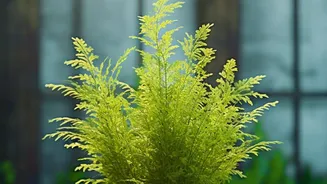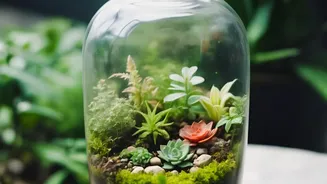


The aromatic scent and earthy flavour of fresh thyme can elevate any dish, but keeping this Mediterranean herb happy indoors can be a challenge. The secret often lies not just in sunlight, but right in the container you choose for your plant.
Why Terracotta is a Top Choice
The headline
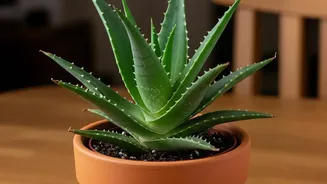
gets it right: terracotta pots are an excellent match for thyme. Native to the sunny, rocky hills of the Mediterranean, thyme is a plant that detests 'wet feet' or constantly damp roots. Terracotta, being made from natural, porous clay, allows air and moisture to move through the walls of the pot. This breathability helps the soil dry out more evenly and quickly between waterings, significantly reducing the risk of root rot, which is one of the most common ways an indoor thyme plant meets its demise. While other pots can work, the natural wicking action of unglazed terracotta provides a forgiving environment that closely mimics the dry conditions thyme prefers.
The Non-Negotiable Need for Drainage
Even more critical than the pot's material is the presence of drainage holes. This is non-negotiable for a healthy thyme plant. Without a clear path for excess water to escape, even the most careful watering can lead to a saturated, oxygen-deprived root zone. This is a recipe for disaster, leading to root rot and a wilted, unhealthy plant. Most nursery plants will come in a plastic pot with holes, which you can simply slip inside a more decorative cachepot. If you do this, always remember to tip out any standing water from the outer pot about 30 minutes after watering. For direct planting, ensure your chosen pot has at least one large drainage hole at the bottom.
Getting the Soil Just Right
To complement a well-draining pot, you need a well-draining soil mix. Standard potting soil is often too dense and retains too much moisture for thyme. This herb thrives in lean, gritty, and sandy soil. You can purchase a specialty cactus or succulent mix, which generally works well. Alternatively, you can create your own ideal blend by mixing regular potting soil with a generous amount of coarse sand, perlite, or fine grit—aiming for up to a 1:1 ratio in some cases. The goal is to create a loose, airy medium that allows water to pass through freely, preventing compaction and ensuring the roots have access to oxygen.
Mastering Sunlight and Water
Thyme is a sun-worshipper. To thrive indoors, it needs a minimum of six hours of bright, direct sunlight each day. A south_facing windowsill is the ideal location. If your plant isn't getting enough light, it will become 'leggy'—stretching out with long, weak stems and sparse leaves. When it comes to water, the golden rule is to let the soil dry out completely between waterings. This is the single most important aspect of thyme care. Overwatering is a far greater risk than underwatering. A good method is to check the soil with your finger; if the top inch or two feels dry, it's time to water. Water thoroughly until it runs out the drainage holes, then let it drain completely.
Pruning for a Bushy, Productive Plant
Regular pruning and harvesting are key to preventing your thyme plant from becoming woody and sparse. Don't be shy about snipping off stems for cooking; this encourages the plant to branch out and become bushier. Always use clean scissors and make your cuts just above a set of leaves or a growth node to stimulate new shoots. It is best to cut from the newer, softer green growth, as the old, woody base of the plant may not regrow if cut back too hard. A light trim after the plant flowers can also help it focus its energy on producing more flavourful leaves.