



The Deluge Upstream
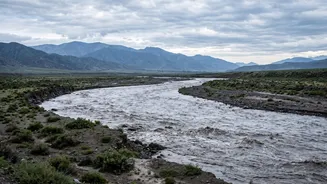
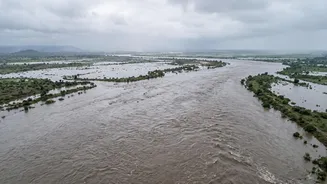
On Wednesday, a devastating flash flood swept through Nepal's northern districts bordering Tibet, including Rasuwa and Nuwakot. The sudden surge of water in Trishuli and Bhote Koshi rivers was caused by what scientists suspect was a Glacial Lake Outburst
Flood (GLOF) or a massive rockslide near the Nepal-China border. This event caused immense destruction, washing away roads, bridges, and hydropower projects, and tragically resulting in significant loss of life, with hundreds missing, including a large number of Indian nationals.
Why Nepal's Floods Threaten India
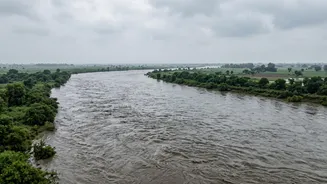
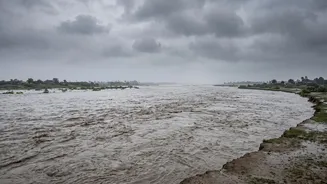
The geography of the Himalayan river system means that major rivers flow from the mountains in Nepal down into the densely populated plains of India. The current crisis centers on the Gandak and Kosi river systems. The Trishuli river in Nepal feeds directly into the Gandak (known as Narayani in Nepal), which flows through Uttar Pradesh and Bihar. Similarly, the Bhote Koshi is a tributary of the Kosi river, infamous as the 'Sorrow of Bihar' for its history of devastating floods and changing course. Therefore, a massive volume of water upstream in Nepal inevitably travels downstream, posing a direct flood risk to Indian districts along the border.
What 'On Alert' Actually Means
The governments of Bihar and Uttar Pradesh have activated their emergency protocols. Bihar has placed at least nine districts, including West Champaran, East Champaran, Gopalganj, Sitamarhi, and Supaul, on high alert. In Uttar Pradesh, the districts of Maharajganj and Kushinagar are under special watch. This alert status involves a multi-pronged monitoring effort. The Central Water Commission (CWC) is providing real-time data on water levels and flow rates, issuing advisories as the flood wave moves downstream. Union Home Minister Amit Shah has spoken with the Chief Ministers of both states, assuring them of all possible central assistance.
The Monitoring Playbook in Action
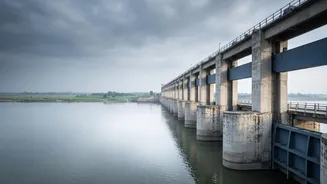
Authorities are not just watching the water rise; they are taking concrete steps. Engineers from Bihar's Water Resources Department have been deployed to monitor embankments around the clock, with all leave cancelled for field personnel. At the Valmikinagar Barrage on the Gandak river in West Champaran, all 36 gates have been opened to manage the immense flow of water and regulate the discharge downstream. Teams from the National Disaster Response Force (NDRF) and the Sashastra Seema Bal (SSB) have been deployed in vulnerable areas, with additional teams on standby. In some low-lying panchayats in West Champaran, residents have already been evacuated to safer locations as a precautionary measure. Public address systems are being used to issue timely warnings to people living along riverbanks.
Cooperation and Preparedness
This event highlights the ongoing cooperation between India and Nepal on disaster management. India has already dispatched 10 tonnes of humanitarian aid, including medicines and emergency supplies, to assist with relief efforts in Nepal. While the immediate situation remains critical, officials from India's CWC noted that water levels in Nepal's reservoirs were beginning to decline, suggesting the peak of the surge may have passed the initial dams. However, state authorities have clarified that there is no room for complacency. Bihar’s Chief Secretary, Pratyaya Amrit, has chaired high-level meetings to ensure all rescue and relief preparations are fully in place. The administration has urged citizens not to panic but to remain vigilant and follow official instructions.