



An Invisible Hailstorm
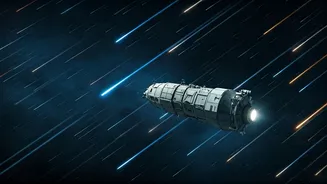
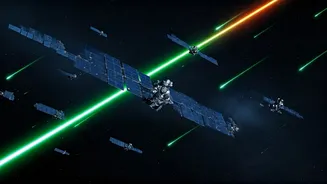
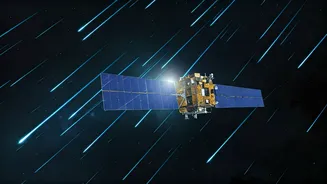
The danger comes from both natural meteoroids and man-made orbital debris. [24] Meteoroids are tiny specks of rock or metal, often no larger than a grain of sand, left over from the formation of the solar system. [20, 1] They travel at astonishing speeds,
averaging 10 kilometers per second, or over 36,000 km/h. [1, 27] At these hypervelocities, a particle that would be harmless on Earth carries immense kinetic energy. NASA notes that a 1-centimeter particle can inflict the same damage as a 250 kg object traveling at 100 km/h on the ground. [24] While larger debris is tracked from Earth to allow spacecraft to maneuver out of the way, these minuscule particles are too small to detect, creating a constant, unavoidable hazard. [25, 17]
Damage from Cosmic Dust
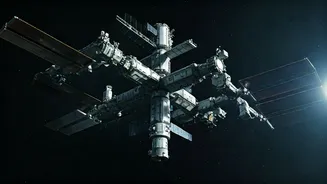
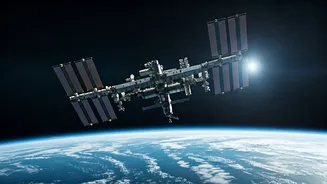
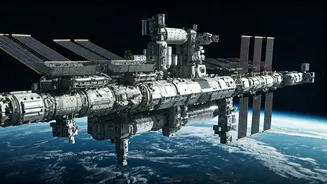
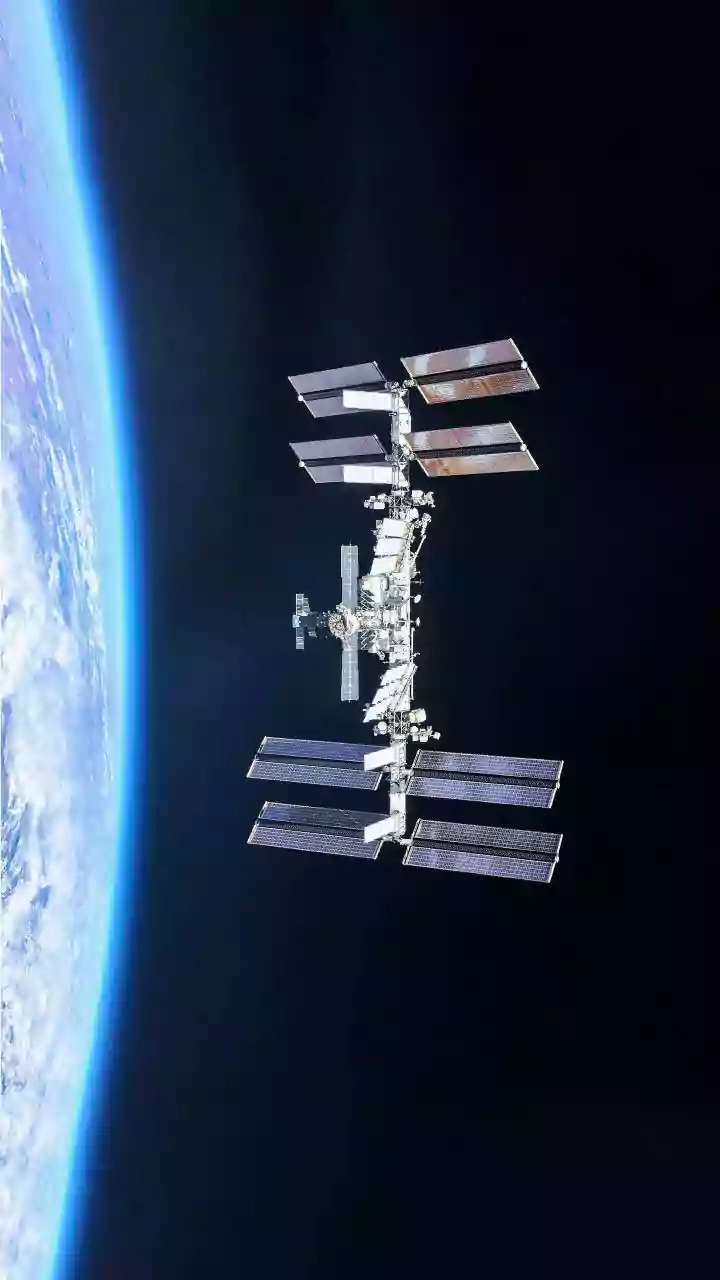
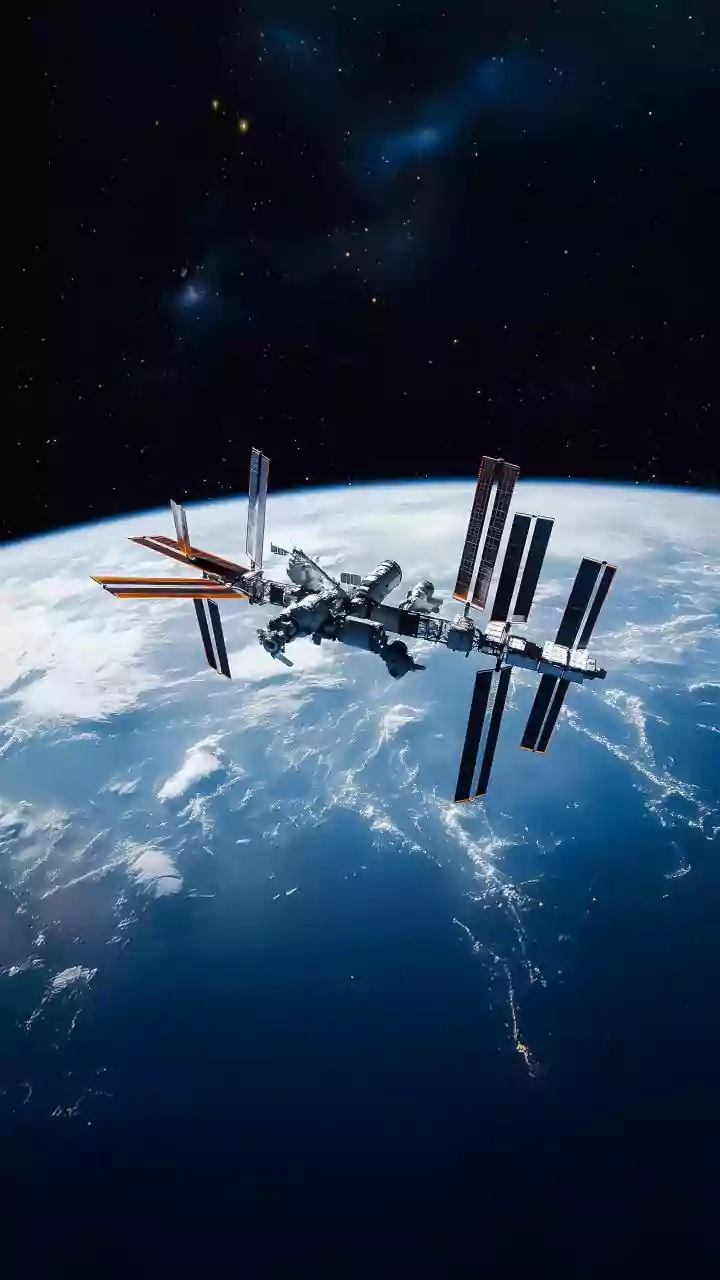
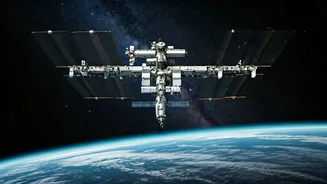
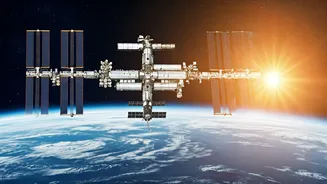
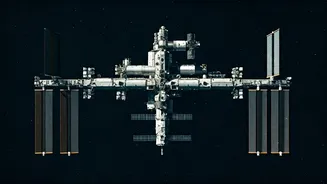
When a micrometeoroid strikes a spacecraft, it can cause a range of damage, from simple pitting on the surface to catastrophic system failures. [23] The recent case of the James Webb Space Telescope (JWST) provides a stark example. In May 2022, a micrometeoroid struck one of the telescope's 18 primary mirror segments. [3, 9] While engineers could compensate for much of the resulting distortion, the impact caused what NASA described as "significant uncorrectable change" to that segment, and the damage was greater than pre-launch models had predicted. [3, 2] This isn't an isolated incident. The International Space Station (ISS) is constantly bombarded. [10] Returned hardware from the station and Space Shuttles shows thousands of pockmarks from impacts over the years. [4, 10] These impacts have chipped windows and even created sharp, raised edges on external handrails, posing a risk of tearing astronaut gloves during spacewalks. [17, 15]
A Crowded Sky Increases the Risk
The threat from micrometeoroids and orbital debris isn't new, but it is growing. The increasing number of satellites, particularly with the deployment of large constellations, adds to the population of man-made debris in Low Earth Orbit (LEO). [21] While meteoroids are a natural phenomenon, orbital debris consists of human-made junk, from spent rocket stages to flecks of paint. [14] Collisions between these objects can create even more debris, leading to a potential chain reaction known as the Kessler Syndrome, which could render certain orbits unusable. [24] For missions like the ISS in LEO and long-duration probes in deep space, the cumulative effect of countless tiny impacts poses a long-term threat to functionality and safety. [1, 21] This ever-present risk forces engineers to plan for graceful degradation of performance over a mission's lifetime. [27]
The Science of Shielding
Protecting a spacecraft isn't as simple as adding thick armor, which would be far too heavy to launch. The primary defense is an ingenious invention from the 1940s called the Whipple shield. [6, 7] This system uses a thin outer "bumper" placed some distance from the main wall of the spacecraft. [19] When a micrometeoroid hits this sacrificial bumper, the impact shatters both the particle and the bumper material, creating a dispersed cloud of smaller, slower-moving fragments. [16] This cloud spreads the impact energy over a much wider area on the spacecraft's actual wall, which can then withstand the blow. [7, 19] Modern spacecraft, including the ISS, use advanced versions of this concept, known as "stuffed Whipple shields," which have layers of high-strength, lightweight materials like Kevlar or ceramic fibers between the bumper and the wall to further break up and slow the debris cloud. [7, 22] There are over 100 different shield configurations on the ISS alone, tailored to the risk level of different modules. [7]