







Why This Habit Matters
Diving straight into unpacking without a plan can lead to a disorganised pantry and fridge. More importantly, it can cause you to miss issues with products you’ve just purchased. Taking a moment to sort your groceries allows you to inspect items for damage,
check expiry dates, and confirm you bought the correct product. Catching a leaky milk carton, a bag of mouldy produce, or the wrong flavour of yoghurt before it gets lost in your fridge makes the return process infinitely easier. This habit isn't just about returns; it’s about mindful consumption. It prevents you from keeping items you won’t use, ultimately reducing food waste and saving you money on items that didn't meet your expectations.
The Two-Zone Setup
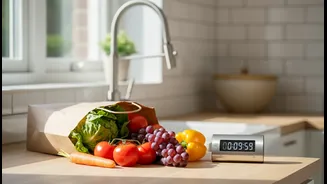
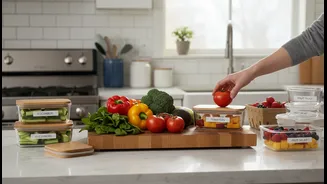
The most effective method is to create two distinct zones on your kitchen counter or table before you even open the first bag. Designate one area for “keepers” and another for “potential returns.” As you empty your grocery bags, place each item into one of these two zones. This prevents the chaos of having to rummage through bags later. Perishable items that need to go back to the store should be kept in the refrigerator until you are ready to leave to maintain their temperature and ensure the store can accept them. All you need are two clear spaces; no fancy equipment is required. This simple physical separation is the foundation of an efficient unpacking system.
What to Inspect Immediately
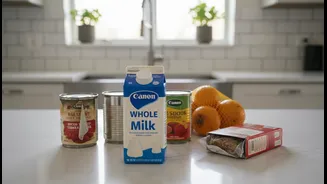
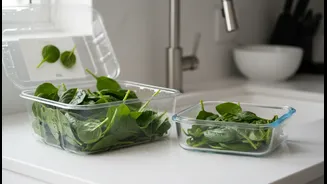
In your “potential returns” zone, some items need immediate attention. Quickly scan for common problems that warrant a return. For produce, check for mould, significant bruising, or spoilage. With packaged goods, look for broken seals, dented cans, or torn boxes. Check dairy and meat for approaching expiration dates that you might not be able to use in time. Sometimes you may simply grab the wrong item by mistake—the full-fat version instead of skim milk, or the wrong size of a product. By identifying these issues right away, you can place the item, along with its receipt, into a dedicated bag ready for your next trip to the store.
Handling the Keepers Pile
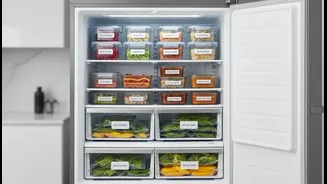
Once you have your pile of keepers, you can unpack with greater efficiency. Start with frozen and refrigerated items to get them into a safe temperature zone quickly. As you put things away, apply the 'First In, First Out' (FIFO) principle used in professional kitchens. Move older items to the front of your pantry and fridge, and place new items behind them. This ensures you use up what you already have before it expires. Grouping like items together as you unpack—all the baking goods, all the breakfast cereals, all the snacks—also makes putting them away much faster and keeps your storage spaces organised. Removing bulky outer packaging can also save significant space and help you see your inventory at a glance.
Understanding Return Policies
Grocery store return policies vary, so it's good to have a general understanding. Most stores will accept returns for unopened, non-perishable items within a certain timeframe, typically 30 to 90 days, especially with a receipt. For perishable items like produce or dairy, the window is much shorter, often only a few days, and a return may be at the manager’s discretion. Many stores will offer a refund or exchange for products that don't meet quality standards, even if opened. However, returns for items bought in error (like the wrong flavour) might not be accepted if they are perishable, as the returned food is often discarded for safety reasons. Having your receipt is always best, but some stores can look up purchases with the card you used.