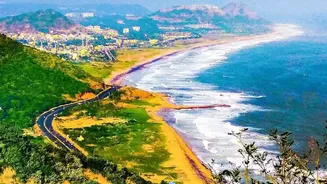







Why South Goa for the Solo Soul?
While North Goa buzzes with high energy, vibrant markets, and a bustling nightlife, the South offers a meditative and relaxed alternative. It’s a landscape of sprawling, cleaner beaches, sleepy fishing villages, and a pace of life that encourages you
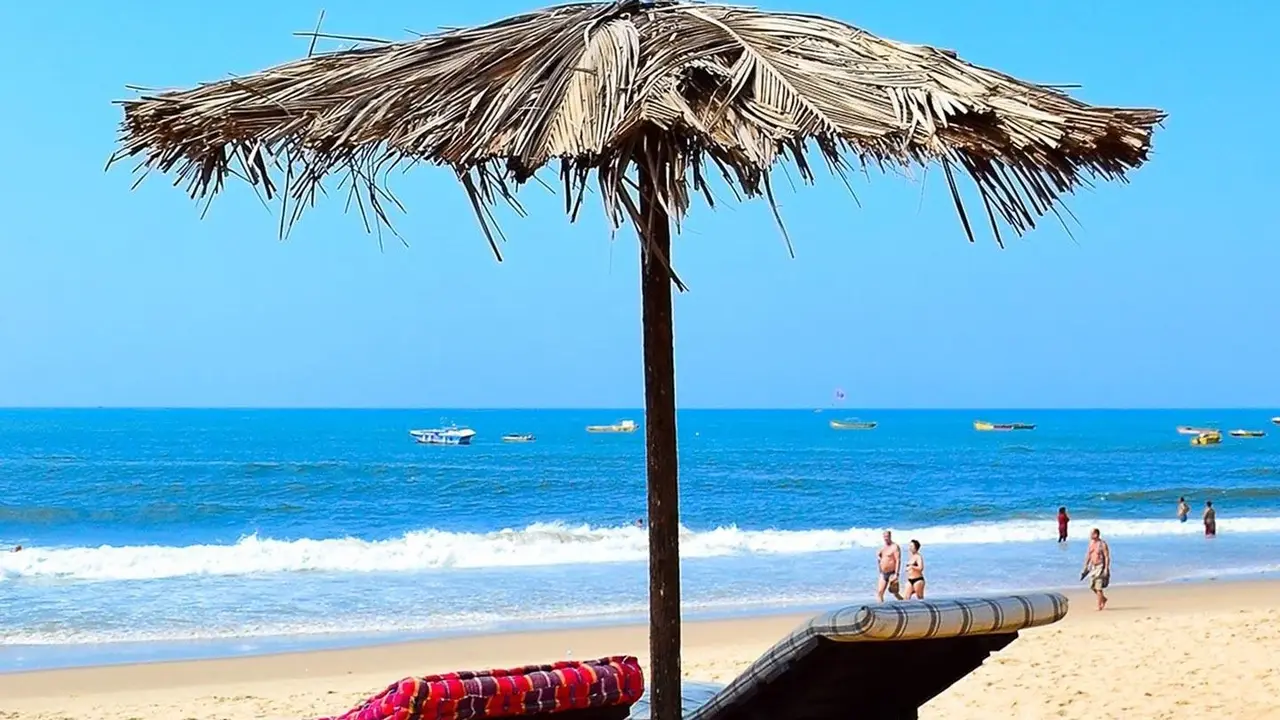
to unplug. For a solo traveller, this translates to space for reflection, genuine connection with nature, and a sense of community that revolves around wellness and quiet appreciation. Forget the loud parties; think yoga at sunrise, long walks on near-empty sands, and evenings spent reading a book to the sound of the waves. It's an environment that feels both safe and liberating for those travelling alone.
Agonda: A Sanctuary of Calm
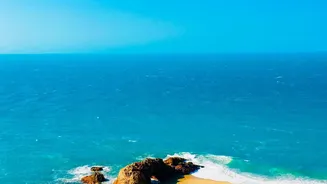
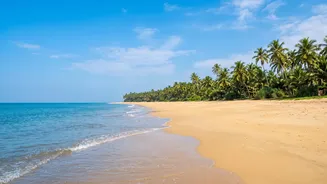
Often voted one of Asia's best beaches, Agonda is a three-kilometre stretch of golden sand that perfectly balances seclusion with comfort. It's known for its strict 'no noise' policy, meaning loud music is banned after 10 PM, preserving its tranquil atmosphere. The beach is wide and spacious, so even in peak season, you can find your own private patch of sand. The vibe is ideal for solo travellers; the yoga and wellness community provides easy, organic social opportunities without pressure. Accommodation is plentiful, ranging from rustic beachfront huts to more comfortable cottages, allowing you to wake up just steps from the sea.
Activities in Agonda
Agonda’s charm lies in its unhurried activities. Start your mornings with a drop-in yoga class at one of the many renowned schools. The sea is relatively calm, making it good for swimming, and you can rent a kayak to paddle out to the serene Butterfly Beach, a small, secluded cove nearby. Early morning boat trips are also popular for dolphin spotting. For exploring, renting a scooter is the best way to gain independence, allowing you to visit nearby beaches like the quieter parts of Palolem or the beautiful Cola Beach with its freshwater lagoon. And, of course, a day spent doing nothing but reading in a hammock is a day well spent here.
Galgibaga: The Untouched Turtle Haven
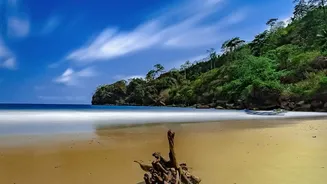
If Agonda is quiet, Galgibaga is practically silent. Located further south, this is one of Goa's most important and protected nesting sites for the endangered Olive Ridley sea turtle. Because of its ecological significance, the beach has minimal commercial development. You won’t find rows of shacks or loud vendors here—just a pristine stretch of sand fringed by casuarina trees. It's the perfect destination for the solo traveller who truly wants to disconnect from the world and reconnect with nature in its rawest form. The beach is sometimes called 'Turtle Beach,' and visiting feels like stepping into a protected, secret corner of Goa.
Respectful Wildlife Encounters
The main draw of Galgibaga is the turtle nesting, which typically occurs between November and March. During this season, parts of the beach are cordoned off by the Forest Department to protect the nests. Witnessing the hatchlings' journey to the sea is a profound experience, but it must be done responsibly. Visitors are urged to keep a respectful distance, avoid using flash photography, and never disturb the turtles or their nests. It's best to check with the local Forest Department for information on supervised walks or viewing opportunities to ensure your visit supports conservation efforts.
Essential Tips for the Solo Traveller
Getting around South Goa is best done by renting a scooter, which offers freedom and flexibility for about ₹250-400 per day. Taxis and auto-rickshaws are available but can be more expensive. For accommodation, especially in Agonda, it's wise to book in advance during peak season (December-January). While South Goa is generally safe, always take standard precautions: avoid isolated areas after dark, inform someone of your plans, and keep your valuables secure. Many travellers find the atmosphere in Agonda and Galgibaga very safe and welcoming, even for solo women. Finally, pack light, but don't forget sunscreen, a good book, and an open mind.