







The Paradox of the Wellness Getaway
The wellness tourism industry has exploded, promising transformation in a week-long package. Retreats offer everything from sunrise yoga and detox juice cleanses to mindfulness workshops and grueling fitness bootcamps. The schedule is often packed from dawn
until dusk. Instead of feeling rested, many return home more depleted than when they left. This happens because we've traded one set of pressures—work deadlines and daily responsibilities—for another: the pressure to 'optimize' our relaxation. A vacation designed to reduce stress shouldn't become a new source of it, complete with checklists and the fear of missing out on a scheduled activity. This hyper-productive approach to rest is a symptom of a broader, toxic wellness culture that often promotes perfectionism and obsessive behaviors.
Redefining Rest: The Rise of Slow Travel
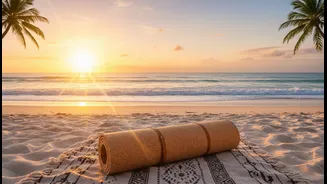
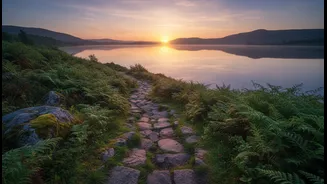
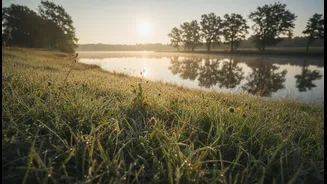
A growing counter-movement champions a simpler, more profound approach to a wellness journey: slow travel. More of a mindset than a method, slow travel prioritizes depth over breadth. It means choosing to stay longer in one place, allowing a destination to reveal itself at its own pace instead of racing through a highlight reel. The goal is not to 'do' everything, but to simply 'be'. This philosophy borrows from the principles of mindfulness: being present, acting with intention, and engaging all your senses. True wellness isn't found in a perfectly executed itinerary, but in the quiet, unscheduled moments—watching a sunset, enjoying a meal without rushing, or taking a walk without a map.
The Science of Doing Less
The benefits of this slower approach aren't just anecdotal. When you remove the constant pressure to be somewhere or do something, your nervous system gets a chance to recover from chronic overstimulation. Research suggests that spending time in nature and disconnecting from the daily grind can lower levels of the stress hormone cortisol, improve sleep, and boost overall well-being. By giving your brain a break from constant decision-making and navigation, you create space for it to enter restorative states. This can enhance creativity, improve problem-solving, and regulate emotions. It’s about giving yourself permission to be bored, which is often the precursor to genuine self-discovery and mental clarity.
How to Plan for Unstructured Bliss
Planning a trip with no plans can feel counterintuitive. The key is to create a framework for spontaneity. Start by resisting the urge to over-schedule. Book only the absolute essentials, like your main transport and perhaps the first night's accommodation. Instead of a rigid itinerary, create a 'possibility list' of things you might enjoy, with no pressure to complete it. Choose a single base from which to explore, rather than hopping between multiple locations. This reduces the stress of constant packing and travel. Pack for flexibility, with comfortable clothes and shoes that allow for unplanned adventures. Most importantly, communicate with your travel partners to ensure everyone is on board with a more go-with-the-flow approach.
Embracing the Journey Inward
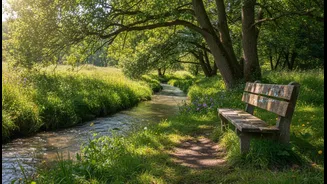
This style of travel is an invitation to explore your own inner world as much as your external surroundings. Limit digital distractions to be more present with where you are and who you are with. You might find that you don't need a formal meditation class when you learn to treat every meal as a mindful experience, savouring each flavour. You don’t need a guided hike to find peace when you allow yourself to wander through a local park or along a quiet beach. By stepping away from the pressure to perform, you create space for genuine connection—with the place you are visiting, with your travel companions, and most importantly, with yourself. The best souvenir you can bring home is not a checklist of sights seen, but a renewed sense of calm and clarity.