


An Iconic Journey For a New Generation
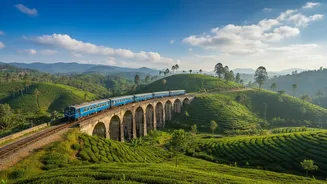
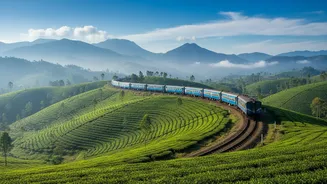
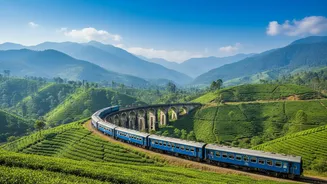
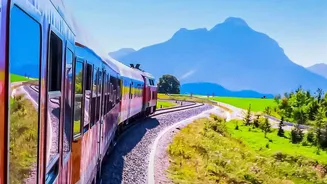
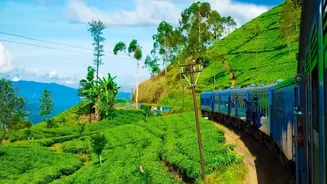
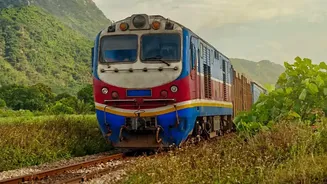
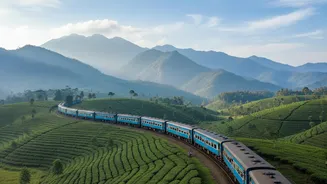
The train ride from Kandy to Ella is consistently ranked among the most beautiful in the world. For roughly seven hours, the train snakes through Sri Lanka's stunning hill country, a landscape dotted with vibrant tea fields, cascading waterfalls, and charming
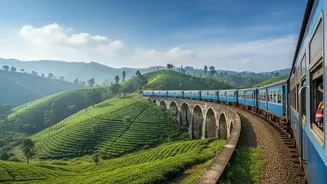
villages. What was once a simple mode of transport has transformed into a destination experience in itself, fueled by countless viral images of travelers dangling their feet from the iconic blue carriages. For Indian travelers, this world-class adventure is increasingly appealing due to its proximity, affordability, and the sheer visual splendor it offers. Statistics from 2025 and early 2026 show that visitors from India consistently represent the largest group of tourists in Sri Lanka, making up a significant portion of arrivals.
The Scenery: A Non-Stop Visual Feast
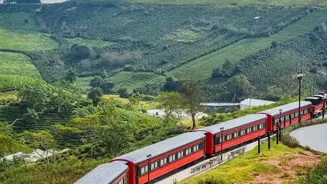
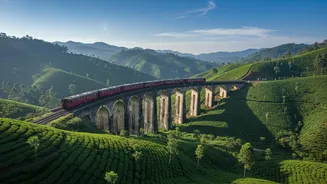
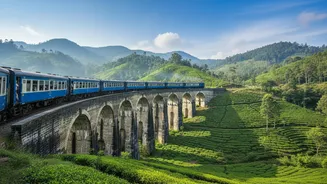
The journey is a slow-burn masterpiece of natural beauty. As the train climbs from Kandy, the urban landscape gives way to a seemingly infinite carpet of green. You'll pass through colonial-era stations, watch tea pickers at work in their colorful saris, and wave to children playing alongside the tracks. Key highlights include crossing dramatic viaducts and plunging into dark tunnels before emerging back into the bright, rolling hills. The most famous segment of the journey is between Haputale and Ella, where the views become particularly dramatic, culminating in views of landmarks like the Nine Arch Bridge. It’s a photographer’s dream and a perfect escape into a slower, more deliberate pace of travel.
The Indian Traveler Advantage
Several factors make this trip particularly attractive to an Indian audience. Sri Lanka is just a short flight away, and a favorable currency exchange rate makes it a remarkably budget-friendly international destination. The entire train journey can cost as little as a few hundred Indian rupees, offering incredible value. Culturally, the environment feels both familiar and excitingly different, from the local snacks like crispy 'vade' sold on board to the shared colonial history reflected in the railway itself. This combination of affordability, accessibility, and world-class scenery makes it an easy choice for those wanting a foreign adventure without the high costs and long travel times of trips to Europe or the Americas.
Choosing Your Class: A Seat for Every Budget
The train offers three main classes, each providing a different experience. First class features air-conditioned cabins with closed windows and reserved seating, offering comfort but a more insulated view. Second class, a favorite among many travelers, has comfortable reserved or unreserved seats and open windows, perfect for photography and feeling the mountain breeze. Third class is the most basic and cheapest option, often crowded but offering the most authentic local experience. For just a few dollars, you can secure a third-class unreserved ticket on the day of travel, though a seat isn't guaranteed. Many argue that second or third class reserved seats, booked in advance, provide the best balance of comfort and immersion.
How to Plan and Book Your Trip
Due to its immense popularity, booking reserved seats well in advance is highly recommended, especially during peak season. Sri Lanka Railways typically opens reservations 30 days ahead of the travel date. While you can sometimes buy unreserved tickets at the station on the day of departure, this often means standing for much of the long journey. For international travelers, booking online through third-party travel sites like 12Go Asia is a popular and convenient, albeit slightly more expensive, option. Some travelers also choose to break up the journey, stopping for a night or two in the scenic town of Nuwara Eliya, known as 'Little England', to explore tea plantations before continuing to Ella. It's also important to check for any service updates, as events like severe weather can occasionally disrupt sections of the line, requiring alternate starting points.