





The Financial Safety Net
At its core, the remake trend is driven by simple economics. Filmmaking is a high-risk, high-reward business, and producers are constantly looking for ways to minimize that risk. A remake of a film that was already a blockbuster, whether from South India
or Hollywood, comes with a built-in proof of concept. The story has already resonated with an audience, the characters are established, and its box office potential has been tested. This makes it a far more attractive and predictable investment for studios compared to an original script, which is an unknown quantity. Acquiring the rights to a proven hit like the Tamil film 'Kaithi' or the Malayalam thriller 'Drishyam' is seen as a safer bet than gambling on a completely new idea. This financial logic has been a part of Bollywood for decades, with hits like 'Hera Pheri' (a remake of 'Ramji Rao Speaking') and 'Wanted' (a remake of 'Pokiri') cementing the formula long ago.
The Southern Cross-Pollination
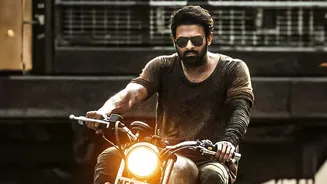
In recent years, the primary source of inspiration has been the prolific film industries of South India. Telugu, Tamil, Malayalam, and Kannada cinema have produced some of India's most critically and commercially successful films. With the rise of the "pan-India" film, where dubbed South Indian movies like 'Baahubali', 'KGF', and 'Pushpa' became nationwide phenomena, Bollywood took notice. Instead of waiting for a dubbed version to capture the market, Hindi film producers began proactively acquiring the rights to remake these stories for a wider Hindi-speaking audience. This isn't just about copying a successful film; it's about translating a regional story into a national one. Blockbusters like 'Kabir Singh' ('Arjun Reddy'), 'Drishyam 2', and 'Singham' have demonstrated the massive commercial appeal of this strategy, turning regional narratives into some of Bollywood’s biggest hits.
A Crisis of Originality?
While producers point to financial prudence, critics and a growing segment of the audience see the trend as a symptom of a deeper creative malaise. The reliance on remakes is often viewed as a lack of investment in original screenwriting and fresh ideas. Some argue that the industry's star-driven system and risk-averse studio culture discourage originality. It can be easier to get a green light for a project with a recognizable title and a bankable star than for a daring, original script from a new writer. This creative fatigue has become more pronounced post-pandemic, with one writer noting that out of 25 remakes, 23 have been flops, suggesting audiences are hungry for new content. This has led to a debate about whether the industry is simply paying tribute to great stories or actively stifling its own creative growth.
The Double-Edged Sword of Accessibility
Ironically, the very thing that makes South Indian films attractive to remake is also becoming the trend's biggest weakness: accessibility. With the explosion of OTT streaming platforms, language barriers have all but disappeared. Audiences can now easily watch the original Tamil, Telugu, or Malayalam hits with subtitles or in Hindi-dubbed versions, often months or even years before a Bollywood remake is released. This has led to what many call "remake fatigue." Why pay to see a copy when the original is just a click away? Recent high-profile remakes like 'Shehzada' ('Ala Vaikunthapurramuloo'), 'Selfiee' ('Driving Licence'), and 'Vikram Vedha' have underperformed commercially, partly because a significant portion of the target audience had already seen and loved the originals. The novelty factor is gone, and unfavorable comparisons are inevitable, especially if the remake is a lazy, scene-for-scene copy.