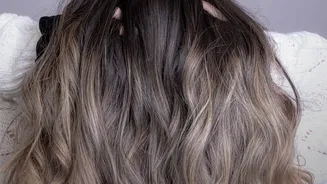







You've invested time and money into achieving the perfect hair color. Now, the key is making that vibrant, salon-fresh shade last. Proper aftercare is everything when it comes to preventing premature fading and dullness.
Rethink Your Washing Routine
One of the fastest ways to strip
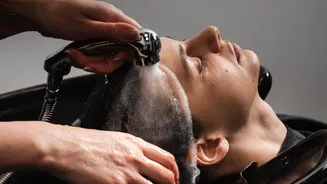
color is by overwashing. Each time you shampoo, you remove a small amount of pigment. Most experts recommend washing color-treated hair just two to three times a week. This allows your hair's natural oils to keep it conditioned while preserving your color. When you do wash, turn down the heat. Hot water opens up the hair's cuticle, allowing color to escape more easily. Opt for lukewarm water and finish with a cool rinse to help seal the cuticle, locking in moisture and color.
Choose Your Products Wisely
The products you use at home are critical for color preservation. Always choose shampoos and conditioners that are specifically labeled 'color-safe'. The most important ingredient to avoid is sulfates (often listed as SLS or SLES), which are harsh detergents that strip color and natural oils. Sulfate-free formulas use milder cleansing agents that protect your color's vibrancy. Beyond sulfates, be wary of high concentrations of drying alcohols and sodium chloride (salt), as they can dehydrate colored hair and accelerate fading.
Embrace Deep Conditioning
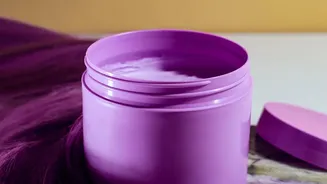
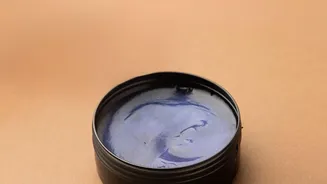
The coloring process makes hair more porous and prone to dryness. A weekly deep-conditioning mask is a non-negotiable step to restore moisture and health. Hydrated hair not only feels softer but also holds color better because a sealed cuticle prevents pigment from washing out. Look for masks with nourishing ingredients like natural oils, proteins, and humectants such as hyaluronic acid. Apply the treatment primarily from the mid-lengths to the ends, where hair is oldest and most in need of repair, and leave it on for at least 5-10 minutes before rinsing.
Style with Caution
Heat is a major culprit behind color fade. High temperatures from blow dryers, flat irons, and curling wands lift the hair's outer cuticle, causing pigment molecules to degrade and escape. This can leave your hair looking dull or brassy. To minimize damage, always apply a heat protectant spray before styling; this creates a barrier that reduces damage by up to 50%. Whenever possible, lower the temperature on your tools—staying in the 150-175°C range is often sufficient. Better yet, embrace air-drying a few times a week to give your hair a break.
Protect from Sun and Water
Environmental factors can be just as damaging as your daily routine. UV rays from the sun break down the chemical bonds in hair dye, causing color to fade just like a fabric left outdoors. Before spending a day in the sun, protect your hair by wearing a hat or using a UV-protective hair mist. Chlorine and salt water are also threats. Before swimming, a smart trick is to drench your hair with clean tap water and apply a leave-in conditioner. Because your hair acts like a sponge, it will absorb less of the damaging chlorine or salt if it's already saturated with clean water. Be sure to rinse your hair immediately after swimming.