




The Hidden Threats in Our Waters
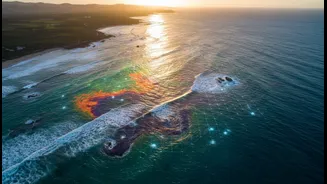
Beneath the waves, a host of damaging changes are becoming more frequent and severe. One of the most notorious is the rise of Harmful Algal Blooms (HABs), often called red or brown tides. These are not just discoloured water; certain algae produce potent
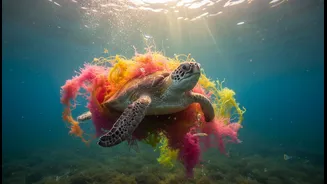
toxins that can harm or kill marine life. When these massive blooms eventually die and decompose, the process consumes vast amounts of oxygen, creating hypoxic 'dead zones' where fish, crabs, and other organisms literally suffocate. This process, known as eutrophication, can devastate local ecosystems. Beyond algal blooms, our oceans are contending with chemical pollution, oil spills, and ever-increasing amounts of plastic debris, which threaten nearly 1,000 marine species. These issues are not confined to distant waters; they pose a direct threat to India’s extensive coastline and the millions who depend on it.
Why Being Slow Is So Costly
The problem with many of these marine changes is that by the time we see their effects—like dead fish washing ashore or beach closures—the damage is already well underway. Traditional monitoring methods often rely on sending ships to collect water samples, which are then taken to a lab for analysis. This process is slow, expensive, and provides only a snapshot of a small area in a vast ocean. The delay means that responses are reactive, not preventative. The economic consequences are staggering, with HABs alone estimated to cost the U.S. economy at least $82 million a year through lost tourism, closed fisheries, and public health issues. For a nation like India, with a massive fishing industry and burgeoning coastal tourism, the potential economic and social costs of delayed detection are immense.
A New Wave of Technology
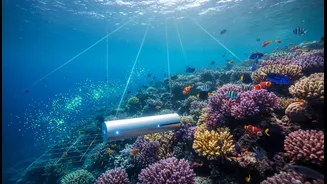
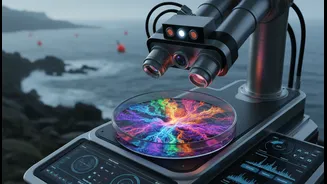
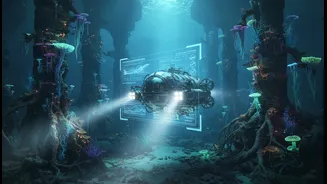
Fortunately, scientists are developing a suite of powerful new tools to move from slow, reactive monitoring to a fast, predictive system. One of the most promising is environmental DNA, or eDNA. All organisms shed genetic material into their environment, and by simply analyzing a water sample, scientists can detect the presence of specific species, from invasive newcomers to the algae that cause toxic blooms, without ever seeing the organism itself. This non-invasive technique is faster, cheaper, and can cover vast areas more effectively than traditional surveys. Alongside eDNA, autonomous underwater vehicles (AUVs)—robotic submarines equipped with advanced sensors—can patrol remote or deep parts of the ocean, collecting real-time data on water quality, temperature, and chemistry for months at a time.
The View from Above and AI
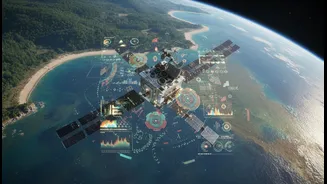
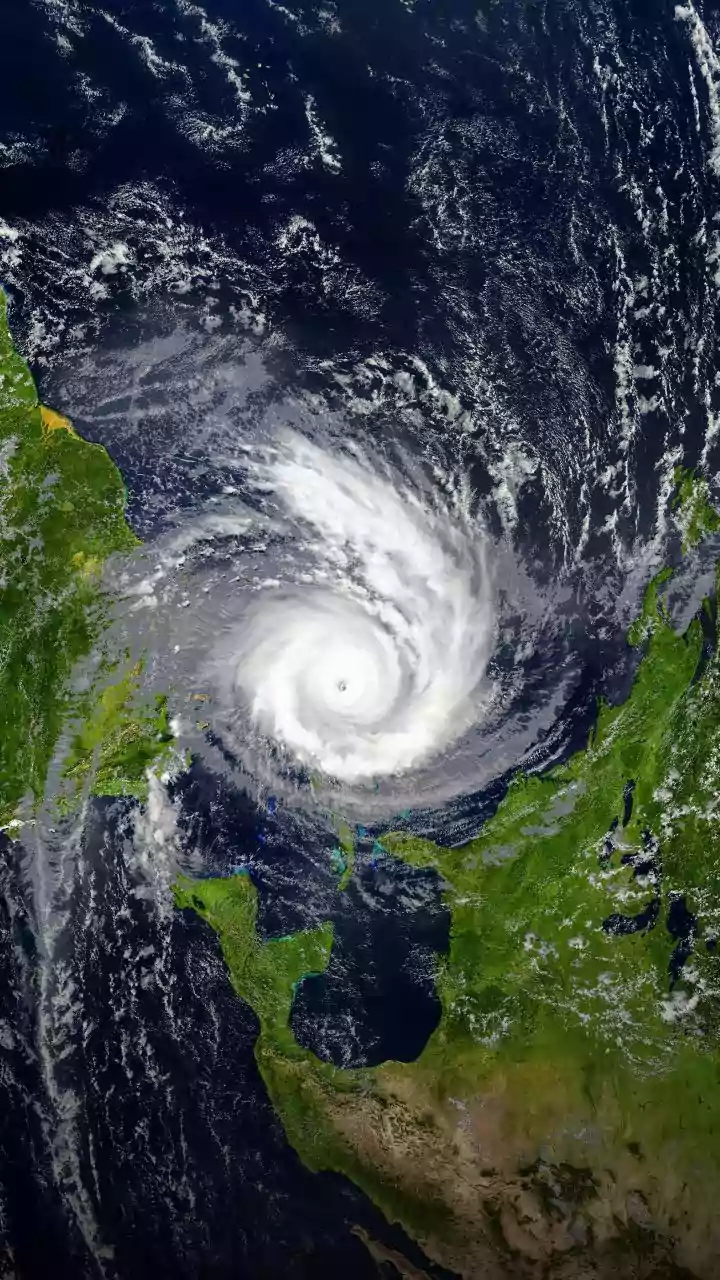
The technological revolution isn't just happening below the surface. Above the Earth, satellites are being paired with powerful Artificial Intelligence (AI) to create a comprehensive watch system for our oceans. AI algorithms can now analyze high-resolution satellite imagery to detect the tell-tale signs of pollution like oil spills and plastic debris patches, even distinguishing them from natural features. Recently, NASA developed an AI tool that analyzes data from multiple satellites to identify the specific signatures of developing harmful algal blooms, offering the potential for early warnings long before they become a crisis. These systems can scan huge swathes of the ocean daily, flagging potential hotspots for officials to investigate further and creating 'maps without gaps' that were previously impossible.