






Beyond the Pill: What is Food-Based Prevention?
Food-based prevention is a simple yet profound idea: using whole foods and dietary patterns to prevent, manage, and sometimes even treat chronic health conditions. Instead of waiting for illness to strike and relying solely on medication, this approach
uses the power of nutrition as a first line of defence. Think of it as 'food as medicine'—a proactive strategy to reduce the risk of lifestyle diseases like type 2 diabetes, heart disease, and certain cancers that are on the rise in India. This isn't about a single 'miracle' ingredient, but rather the combined effect of nutrient-rich dietary patterns.
The Comfort of Culture: Why Familiarity Matters
Adopting a new diet can be challenging, especially when it involves unfamiliar ingredients and flavours. Research shows that dietary changes are far more likely to stick when they align with a person's cultural background. Culturally familiar foods provide psychological comfort and are easier to integrate into daily life. When health advice ignores cultural context, it can feel alienating and unsustainable. For instance, being told to eat quinoa and kale when your palate is accustomed to dal and seasonal sabzi can create a barrier. People are more likely to enjoy and continue eating meals they grew up with, making the health journey feel less like a chore and more like a return to roots.
Eating for Tomorrow: The Sustainability Link
A truly healthy diet doesn't just nourish our bodies; it also protects our planet. Sustainable diets prioritise local, seasonal foods, which reduces the environmental footprint associated with food production and transport. Food production is a major driver of environmental change, contributing to climate change and biodiversity loss. When we choose foods that are grown locally and in season—like mangoes in the summer or leafy greens in the winter—we support local farmers and reduce our reliance on resource-intensive global supply chains. This approach ensures that our food systems can provide nutrition for generations to come, linking our personal health directly to the health of our environment.
The Wisdom in Our Thalis: India's Advantage
The traditional Indian thali is a perfect example of these principles in action. It’s inherently balanced, offering a mix of carbohydrates, proteins, fats, vitamins, and fibre through components like dal, rice or roti, vegetables, yoghurt, and a small portion of pickle or chutney. Traditional Indian diets are predominantly plant-based and rich in spices like turmeric and ginger, which have anti-inflammatory properties. Studies suggest that these dietary patterns can help restore gut bacteria diversity and lower the risk of chronic diseases. Unfortunately, a shift towards Westernised diets—high in processed foods, sugar, and unhealthy fats—has been linked to a rise in lifestyle diseases across India, eroding the benefits of our culinary heritage.
Making It Work for You
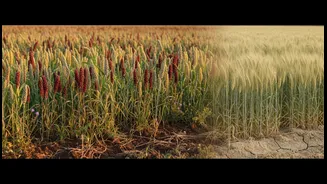
Embracing this philosophy doesn't require a radical overhaul. It's about making conscious, informed choices. Start by rediscovering the diversity of your regional cuisine. Prioritise millets like jowar and bajra, which are not only nutritious but also climate-resilient crops. Visit your local market to see what's in season. Experiment with traditional cooking methods that preserve nutrients. Instead of seeking out expensive imported 'health' foods, focus on the incredible variety of lentils, vegetables, and grains available right here. Making healthy food delicious and familiar is the key to long-term success.