






A Comforting Monsoon Ritual
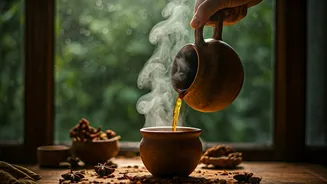
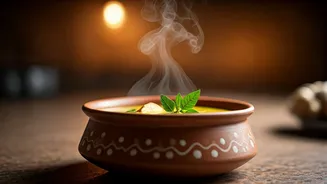
It’s a scene that plays out in millions of Indian households. The moment the pitter-patter of rain signals a change in season, so begins the annual ritual of brewing kadha. This aromatic, spiced decoction is more than just a warm drink; it’s a comforting
hug in a cup, deeply woven into our cultural fabric. The monsoon, while bringing relief from the summer heat, is also notorious for ushering in a wave of seasonal sniffles, coughs, and fevers. For generations, the default first line of defence has not been a pill, but a potent, homemade brew passed down from grandmothers. This 'gharelu nuskha' (home remedy) represents a collective wisdom, a belief in the healing power of a well-stocked spice box.
What Exactly Goes Into a Kadha?
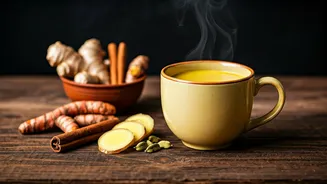
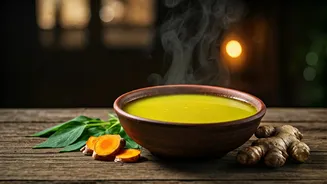
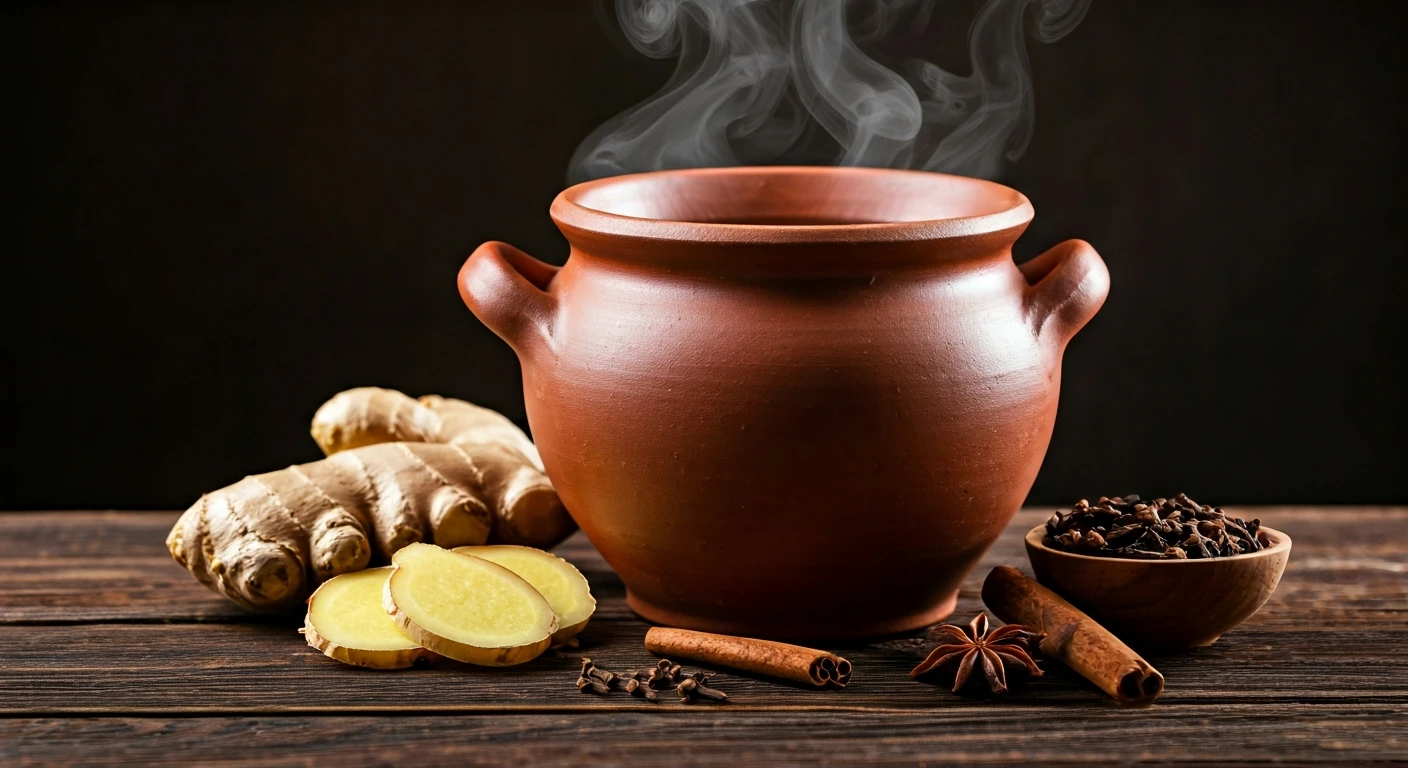
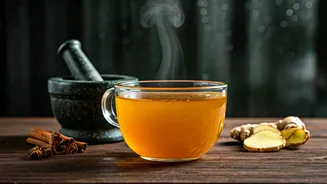
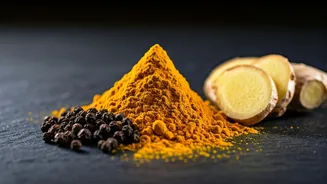
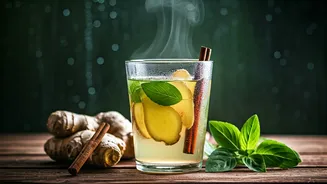
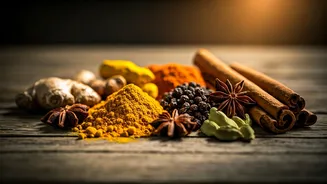
At its core, kadha is a simple water-based decoction, simmered with a variety of herbs and spices until it reduces to a concentrated, flavourful liquid. While recipes vary from family to family, a few star ingredients are almost always present. Tulsi (holy basil) is revered for its purifying properties. Ginger adds a pungent kick and is known for its digestive and anti-inflammatory benefits. Black pepper (kali mirch) not only provides heat but also contains piperine, which helps the body absorb the benefits of other ingredients, particularly turmeric. Cloves, cinnamon, and cardamom are not just there for their warm, comforting aroma; they are packed with antioxidants and have been used in traditional medicine for centuries. Some variations might also include mulethi (liquorice root) for soothing sore throats or turmeric for its famed anti-inflammatory compound, curcumin.
The Science Behind the Spices
While kadha is steeped in tradition, modern science has begun to validate the properties of its core components. Numerous studies have highlighted the antimicrobial and antiviral properties of tulsi. Gingerol, the active compound in ginger, is a powerful anti-inflammatory and antioxidant agent. The curcumin in turmeric is one of the most studied natural compounds, celebrated for its ability to fight inflammation at a molecular level. The piperine in black pepper is a bio-enhancer, meaning it dramatically increases the bioavailability of curcumin, which is why turmeric and black pepper are such a classic pairing. While no single ingredient is a magic bullet, the synergistic effect of these spices creates a potent blend that can help support the body’s natural defence mechanisms during a vulnerable season.
Can You Have Too Much of a Good Thing?
The kadha craze, amplified during the recent pandemic, led many to believe that more is better. However, health experts and Ayurvedic practitioners caution against overconsumption. Most spices used in kadha are 'heating' in nature. Drinking multiple cups a day can lead to issues like acidity, heartburn, indigestion, and even nosebleeds in some individuals. It can aggravate pitta dosha, the Ayurvedic mind-body element associated with heat and metabolism, leading to imbalances. The key is moderation. A small cup once a day during the monsoon season is generally considered safe for most people. It's crucial to listen to your body. If you experience any discomfort, it’s a sign to reduce the quantity or frequency. It is also wise to consult a healthcare professional, especially if you have underlying health conditions or are on medication, before making it a daily habit.
Brewing the Perfect Cup
Making your own kadha is incredibly simple. Start by crushing a few tulsi leaves, a small piece of fresh ginger, 2-3 cloves, and 2-3 black peppercorns. Add them to about two cups of water in a saucepan. You can also add a small stick of cinnamon or a pinch of turmeric. Bring the water to a boil and then let it simmer on low heat until the liquid reduces to about half its original volume. This process extracts the essential compounds from the spices. Strain the liquid into a cup. You can add a teaspoon of honey or a few drops of lemon juice for taste, but only after the kadha has cooled down slightly, as boiling honey can alter its properties. Remember, this is a base recipe—feel free to adjust the spices based on your preference and what feels right for your body.