



Beyond the Powder: Choosing Your Protein
The first step is moving beyond the idea that protein powder is your only option. While it's a popular choice, whole-food protein sources often create a better texture and flavour. Ingredients like Greek yogurt, cottage cheese, eggs, and even legumes
like chickpeas and black beans can provide a powerful protein punch. Blended cottage cheese, for example, can create a surprisingly creamy base for cheesecakes and mousses, while Greek yogurt adds both protein and a pleasant tang to cakes and frozen treats. When using protein powder, the type matters immensely. Whey concentrate is often preferred for baking as it yields a softer, more tender result in cakes and cookies. Whey and casein blends are also considered a gold standard, balancing structure and moisture. Plant-based powders can be effective but tend to be more absorbent, often requiring extra liquid to avoid a dense outcome.
Conquering the Texture Trap
The most common complaint with protein-boosted treats is a dry, rubbery, or dense texture. This happens because protein powders are thirsty and absorb more moisture than traditional flour. To combat this, increasing moisture and fat is key. Adding ingredients like unsweetened applesauce, mashed bananas, canned pumpkin, or Greek yogurt can restore the balance. Healthy fats from nut butters or avocados also contribute to a richer, more satisfying mouthfeel. Don't over-substitute flour; a good starting point is replacing about one-third of the flour in a recipe with protein powder. This maintains the structural integrity that flour provides. Finally, be vigilant about baking times. Protein-heavy batters can over-bake quickly, leading to dryness, so it’s wise to check for doneness a few minutes earlier than the recipe suggests.
Flavour Is Your Strongest Ally
Even with perfect texture, a bland dessert is a sad dessert. Fortunately, you can use bold flavours to your advantage. Strong, complementary ingredients can either mask the subtle undertones of certain proteins or enhance the overall profile. Chocolate and coffee are excellent choices, as their inherent richness easily overpowers any off-notes from protein powders or ingredients like beans. Spices such as cinnamon, nutmeg, and cardamom add warmth and complexity. Citrus zest, vanilla extract, and almond extract are also powerful tools for building a delicious flavour base. For plant-based proteins like pea protein, which can have an earthy taste, pairing them with strong flavours like peanut butter or chocolate is particularly effective. The goal is to create a dessert so flavourful that the protein component becomes an invisible benefit.
Start with No-Bake Wonders
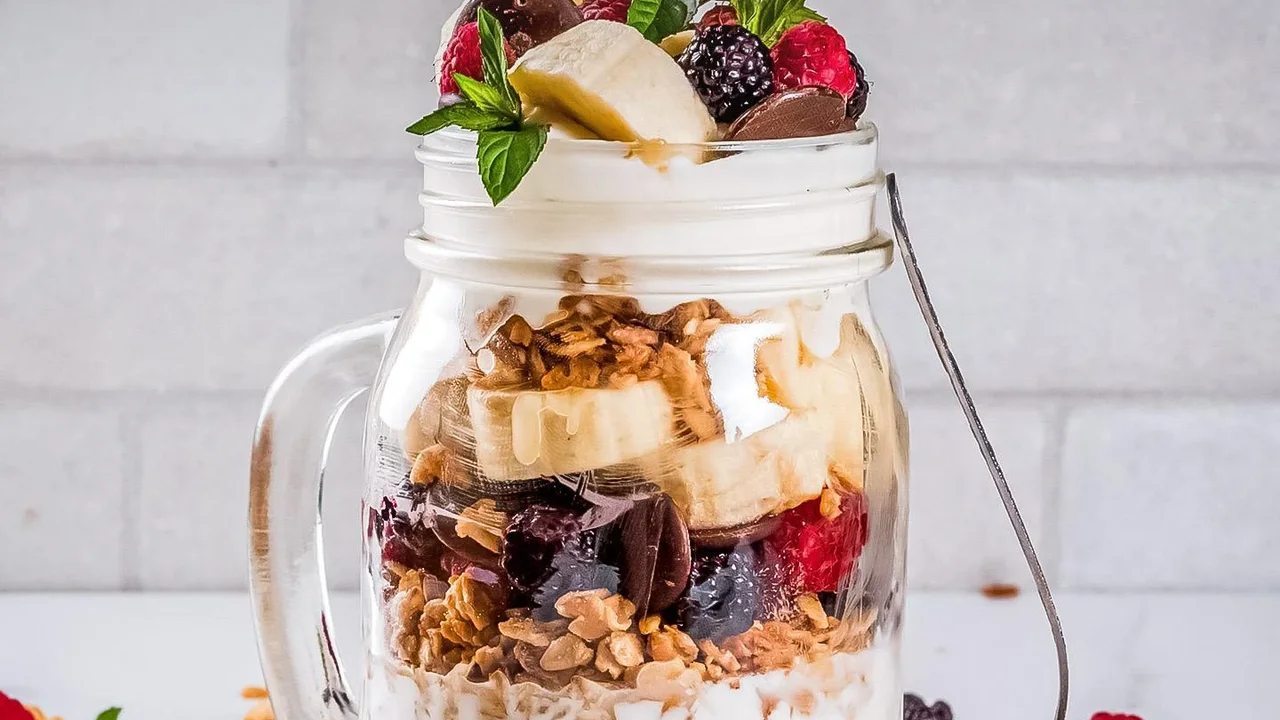
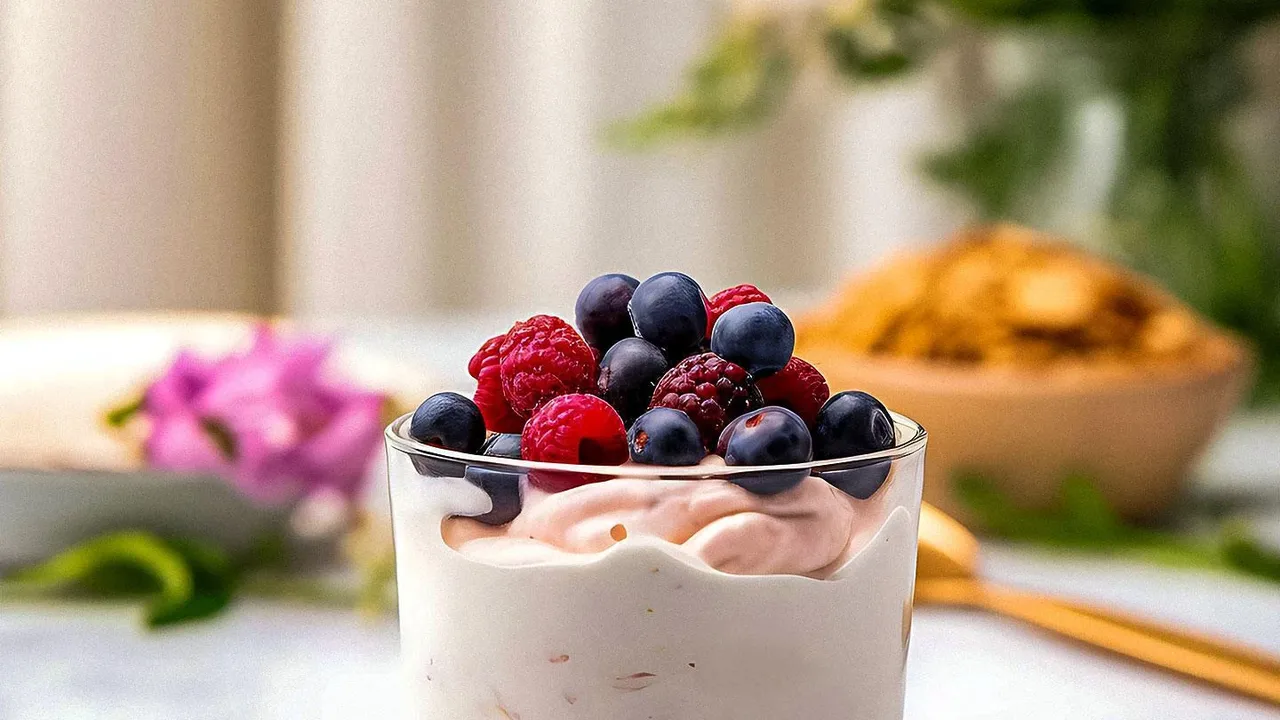
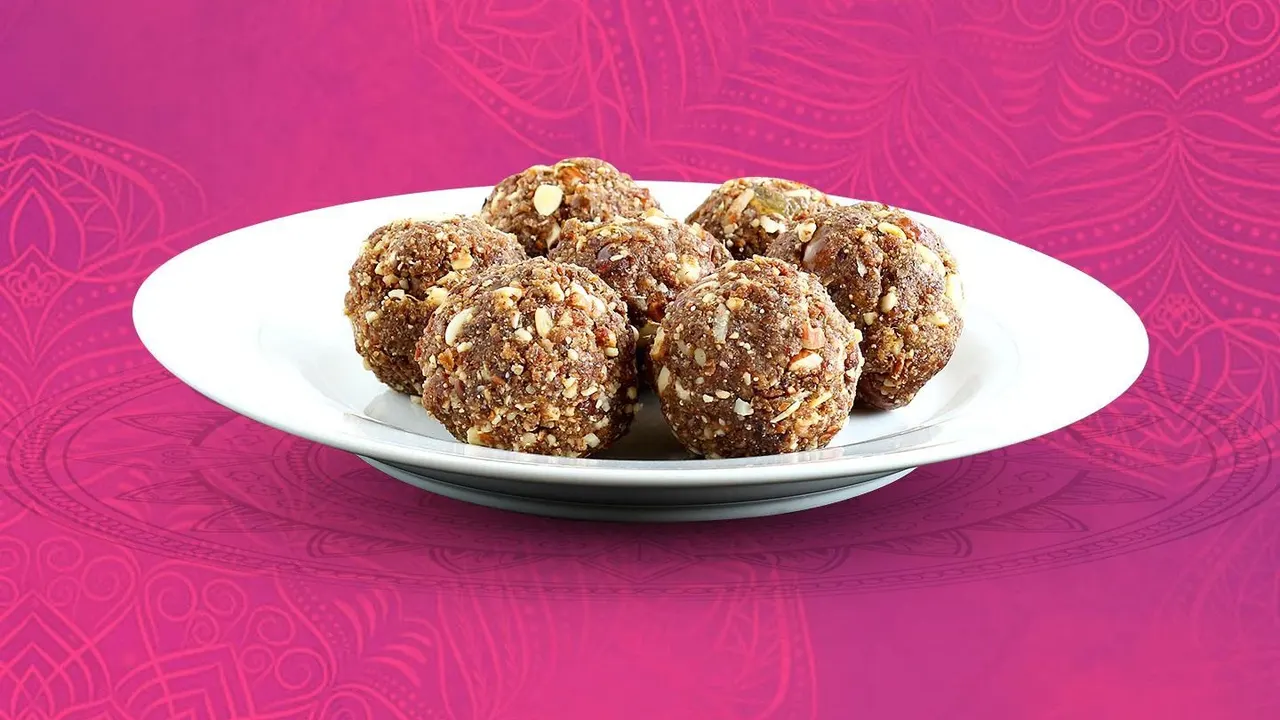
If you're new to making high-protein desserts, the no-bake route is a fantastic place to start. These recipes are more forgiving and allow you to get a feel for how ingredients interact without the variables of oven temperature and baking chemistry. Think creamy puddings made with Greek yogurt, edible cookie dough featuring blended cottage cheese or oat flour, or energy balls held together with nut butter. Another popular and simple option is frozen yogurt bark: spread Greek yogurt on a baking sheet, swirl in berries and nuts, and freeze until firm. These recipes often rely on whole-food protein sources and come together in minutes, offering an instant and delicious reward that builds confidence for more ambitious baking projects.