

More Than Just a Decor Trend
After years dominated by mass-produced, minimalist catalogues, there is a visible shift towards interiors with personality. Homeowners are increasingly rejecting the idea that every piece must be new, instead finding beauty in furniture with a past. This
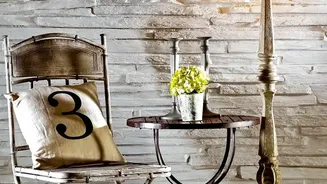
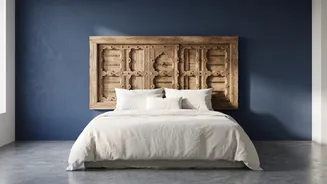
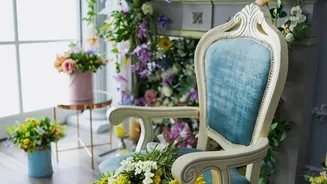
isn't just about buying second-hand; it's a multi-layered movement. It involves restoring a family heirloom, upcycling a discarded piece into something new, or using reclaimed wood from old buildings to create modern furniture. The result is a home that feels curated and unique, where a colonial-era writing desk might sit next to a contemporary sofa, creating a space that feels distinctly personal and layered with history.
The Allure of a Good Story
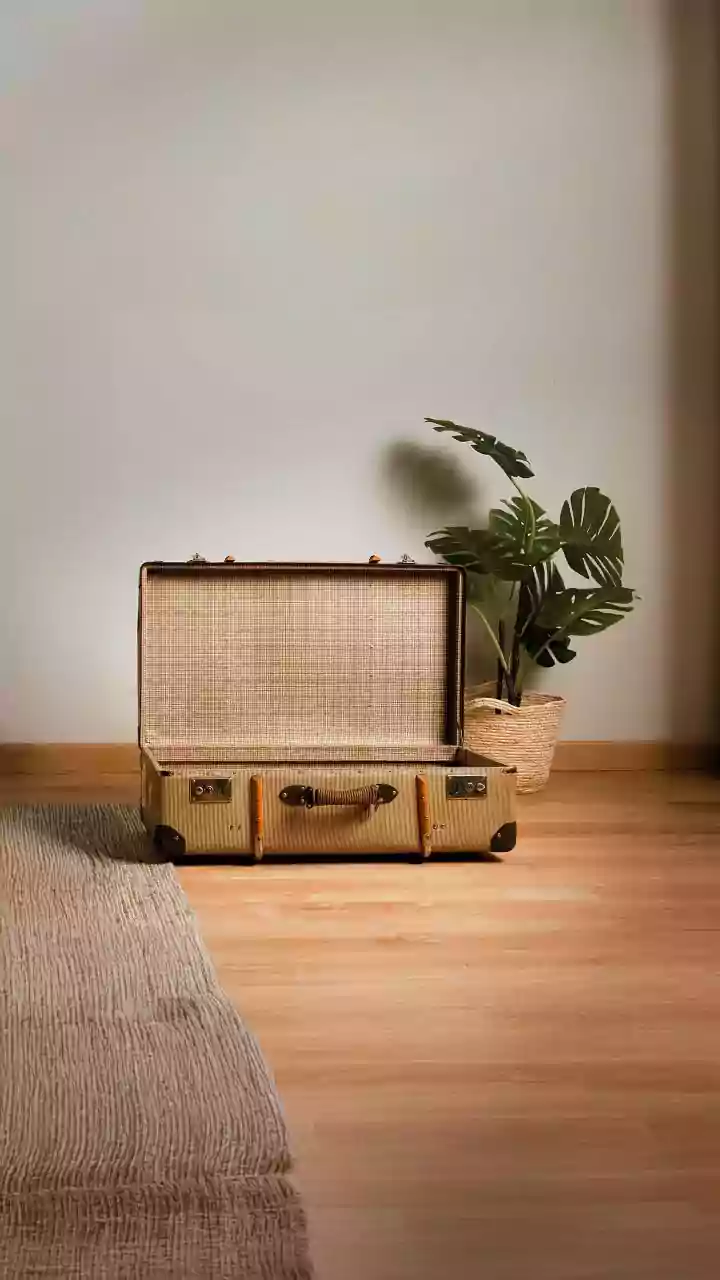
A key driver of this trend is emotion. An inherited piece of furniture, like a grandparent's teak bookshelf or a battered steel trunk that travelled with the family, carries memories that mass-produced items cannot replicate. These objects serve as physical reminders of people and places, allowing family histories to remain part of everyday life. This connection to the past offers a sense of permanence and grounding in a fast-paced world. Beyond personal history, there's the appeal of craftsmanship. Pieces made from solid teak, rosewood, or sheesham were built to last for generations, showcasing a level of quality and durability that is often missing in today's fast-furniture market.
A Conscious Choice for Sustainability
The growing awareness around environmental issues is another powerful force behind this movement. Choosing to restore or upcycle furniture is a direct response to the 'use and throw' culture. It reduces waste that would otherwise end up in landfills and lowers the carbon footprint associated with manufacturing new products. Reclaimed wood, sourced from old buildings, torn-down structures, and even discarded doors, is becoming a popular material for everything from dining tables to cabinets. This practice not only conserves forests but also gives homes a rustic, chic character that is both stylish and responsible. As Indian consumers become more eco-conscious, extending the life of an existing object makes both aesthetic and environmental sense.
The New Face of Old Furniture
This revival is supported by a growing ecosystem of designers, artisans, and businesses across India. Studios like the Calcutta Restoration Company and Madras Makers are dedicated to reviving period furniture, preserving the essence of colonial and mid-century modern aesthetics. Entrepreneurs are transforming everything from old tyres to discarded sarees into quirky and functional decor. The process can be intensive, sometimes taking weeks to transform a single piece through carpentry, fabrication, and painting, but the outcome is a unique designer item. This creativity also extends to how these pieces are used. A vintage trunk may become a coffee table, an old door can be repurposed as a dining surface, and a traditional cabinet might be converted into a stylish bar.