




The allure of a 'sugar-free' dessert can feel like a guilt-free pass for anyone managing diabetes. But this common label hides a crucial truth: a food low in sugar is not necessarily low in the one thing that matters most for blood glucose.
The Sugar vs. Carbohydrate Confusion
When managing
diabetes, sugar is often seen as the main culprit to avoid. While it's true that added sugars can cause rapid spikes in blood glucose, they are only one part of a larger picture. The most important number on a nutrition label is 'Total Carbohydrates'. That's because your body breaks down almost all carbohydrates—not just sugars—into glucose. This includes starches, like those found in flour, rice, and potatoes, which can significantly raise blood sugar levels even if a recipe contains no added sugar. Think of it this way: all sugars are carbohydrates, but not all carbohydrates are sugars. Focusing only on the sugar content of a sweet treat is like looking at only one ingredient in a complex recipe.
Why 'Total Carbs' Is the Real Metric
Imagine a cake made without a single gram of table sugar but using a large amount of refined white flour (maida). While it might be advertised as 'sugar-free', the flour itself is a complex carbohydrate that digests into glucose and raises blood sugar. For people with diabetes, the total amount of carbohydrate consumed in a meal or snack is the primary factor determining the blood glucose response. Health authorities like the American Diabetes Association recommend tracking total carbohydrates for this reason, as it gives the most predictable indication of how a food will affect you. A food low in sugar but high in other carbs, like a 'sugar-free' biscuit or cracker, can still lead to high blood glucose.
Decoding 'Sugar-Free' vs. 'No Added Sugar'
Food labels can be misleading. A product labelled 'sugar-free' simply means it has less than 0.5 grams of sugar per serving. It says nothing about the carbohydrates from flour or other starches. Furthermore, many 'sugar-free' products use sugar alcohols (like sorbitol or maltitol) as sweeteners. While they have a smaller impact on blood sugar than regular sugar, they are not entirely carb-free and can affect glucose levels for some people, not to mention cause digestive distress in larger quantities. Similarly, 'no sugar added' just means no sugar was put in during processing. The product could still be naturally high in sugar, like fruit juice, or contain other carbohydrates.
Thinking in Terms of Quality: The Glycemic Index
Beyond the total amount of carbs, the quality matters, too. This is where the Glycemic Index (GI) comes in. The GI is a scale that ranks carbohydrate-containing foods by how quickly they raise blood sugar. Foods with a high GI (like white bread and sugary cereals) are digested quickly, causing a rapid spike. Low-GI foods (like whole oats, lentils, and nonstarchy vegetables) are digested more slowly, leading to a gentler rise in blood glucose. Choosing ingredients with a lower GI can be a useful strategy for better blood sugar management. For example, swapping white flour for whole wheat flour or adding fibre can lower the overall GI of a recipe.
Smart Swaps for Truly Diabetes Conscious Sweets
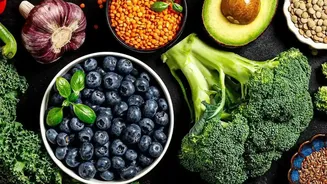
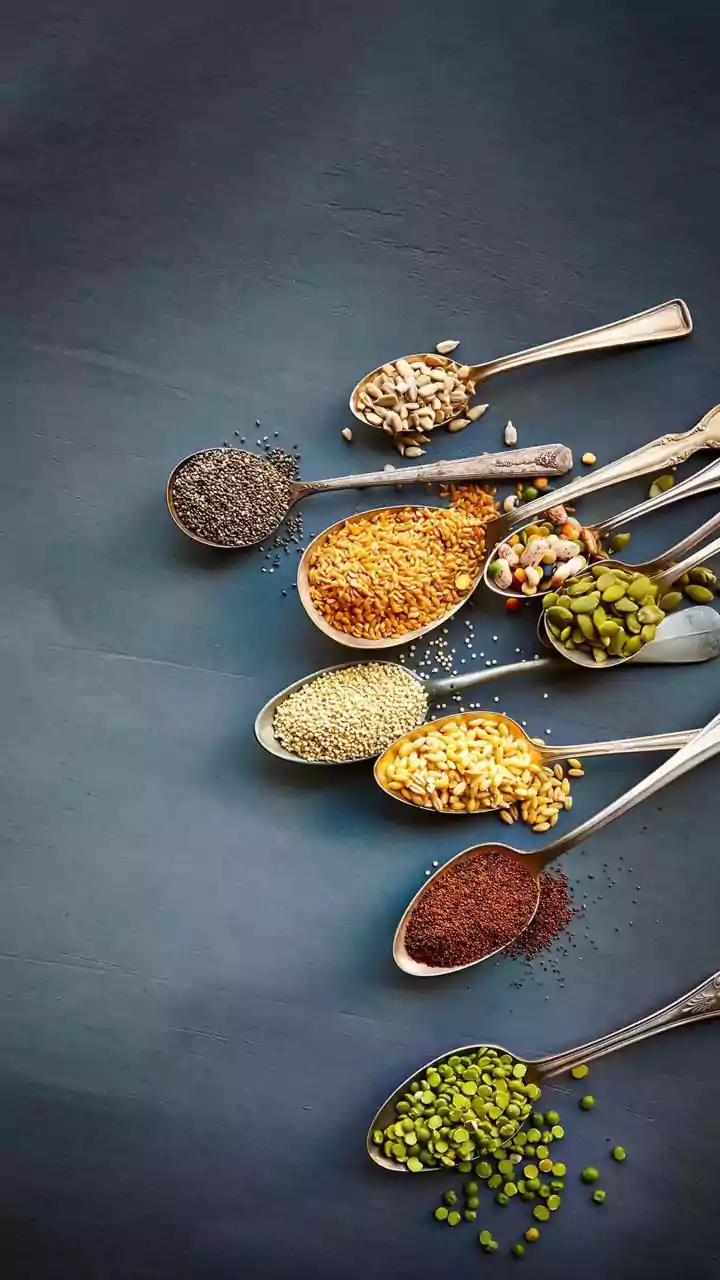
Creating a dessert that is truly diabetes conscious goes beyond just replacing sugar. It involves rethinking the entire recipe to lower the total carbohydrate load and improve its quality. Instead of just using artificial sweeteners, focus on the foundation. Swap refined all purpose flour (maida) for higher fibre alternatives like whole wheat flour, almond flour, or coconut flour. These options not only have fewer carbohydrates but also add protein and healthy fats, which help slow the absorption of glucose. Incorporating ingredients like oats, chia seeds, and flax seeds can boost the fibre content, which further helps in stabilising blood sugar levels. Even the choice of fruit matters; berries, for example, have a lower sugar and carb impact than bananas or mangoes.
How to Read a Recipe Like a Nutritionist
Before you start baking, learn to scan a recipe for its total carbohydrate impact. Don't just look at the sweetener. Add up the quantities of all carbohydrate sources : all types of flour , grains like oats or quinoa , starchy vegetables like pumpkin or sweet potato , fruits , and even dairy products like milk and yogurt . This mental tally will give you a much better sense of a recipe ' s potential effect on blood sugar than a ' low -sugar ' claim ever could . A truly diabetes -friendly recipe will be mindful of portion sizes and will balance carbohydrate ingredients with sources of protein , fibre , and healthy fats to create a more balanced and blood -sugar -friendly treat .