


Capturing the Fleeting Moment
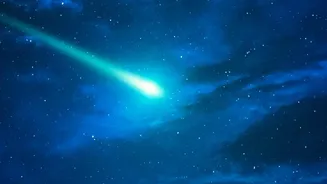
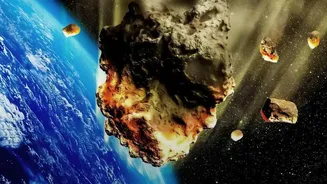
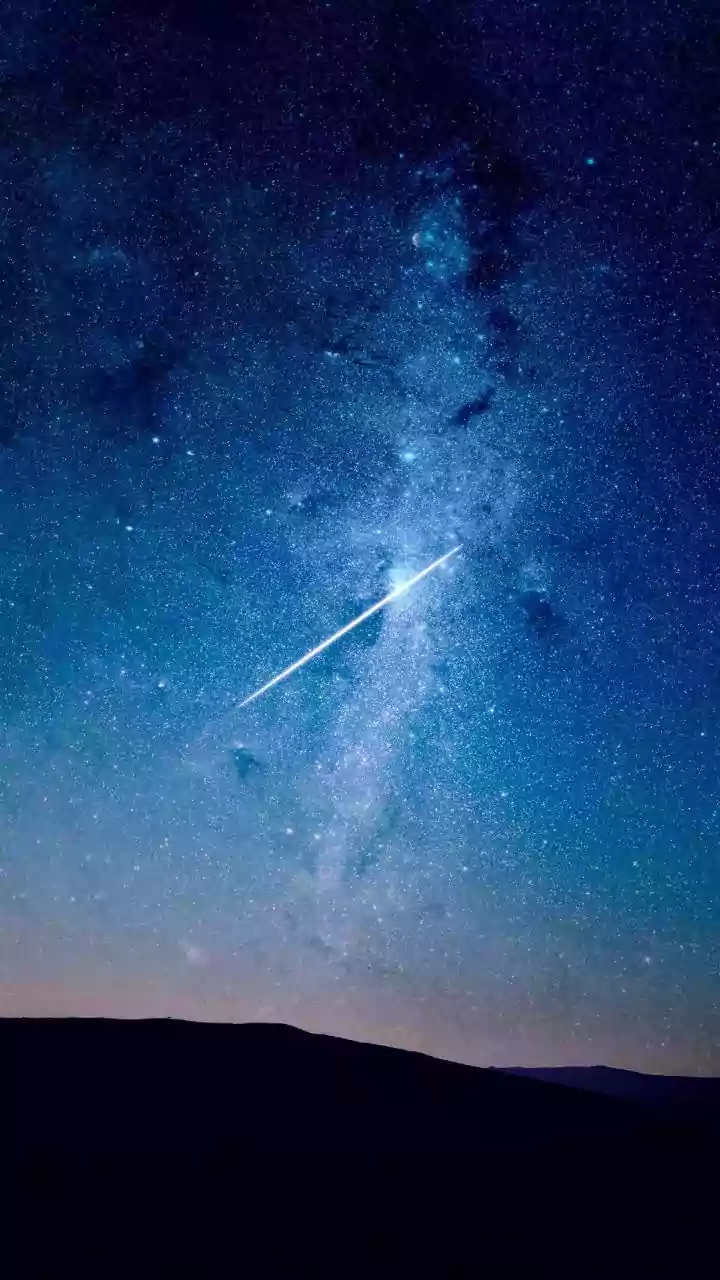
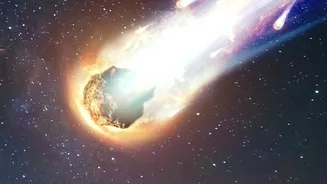
The first step in this cosmic detective story is to catch the meteor in the act. When a meteoroid—a small rock in space—hits Earth's atmosphere at high speed, it burns up and creates a glowing trail called a meteor. To study this, astronomers rely on networks
of specialized cameras. Projects like the Global Meteor Network (GMN) use hundreds of cameras operated by both professionals and citizen scientists across the globe. These systems are designed to watch the sky all night, every night. When a bright meteor, or fireball, appears, multiple cameras record it from different angles. This multi-perspective view is crucial for the next step: calculating its exact path through the atmosphere.
Triangulating the Path
With data from at least two different locations, scientists can use triangulation—a method similar to how our brains perceive depth with two eyes—to reconstruct the meteor's three-dimensional trajectory. Specialized software automatically processes the video footage to determine the meteor's speed, direction, and altitude as it descended. This reveals not only how fast it was moving but also how it decelerated upon hitting the thicker layers of our atmosphere. This information is vital for the next, most crucial calculation: figuring out where the rock was before it ever met Earth.
Rewinding the Clock to Find Its Orbit
Once the atmospheric trajectory is known, astronomers can essentially hit the rewind button. Using the laws of physics, they calculate the path the meteoroid was on before it was captured by Earth's gravity. This process reveals its original heliocentric orbit—its path around the Sun. This orbit is the rock's cosmic address. Each orbit has unique characteristics, such as its shape (eccentricity) and its tilt relative to the planets (inclination). By precisely defining this orbit, scientists now have the key piece of information needed to start looking for a potential home.
Analyzing the Chemical Fingerprint
As a meteor burns, the intense heat vaporizes its minerals, causing them to glow. This light can be split into a rainbow-like spectrum, a technique called spectroscopy. The spectrum reveals distinct bright lines, each corresponding to a specific chemical element like iron, magnesium, sodium, or silicon. This pattern acts as a chemical fingerprint for the meteoroid. For example, the presence and ratio of certain elements can help classify the rock and compare it to known types of asteroids. This spectroscopic data adds another layer of evidence, helping astronomers narrow down the list of potential parent bodies.
Matching the Orbit to a Parent
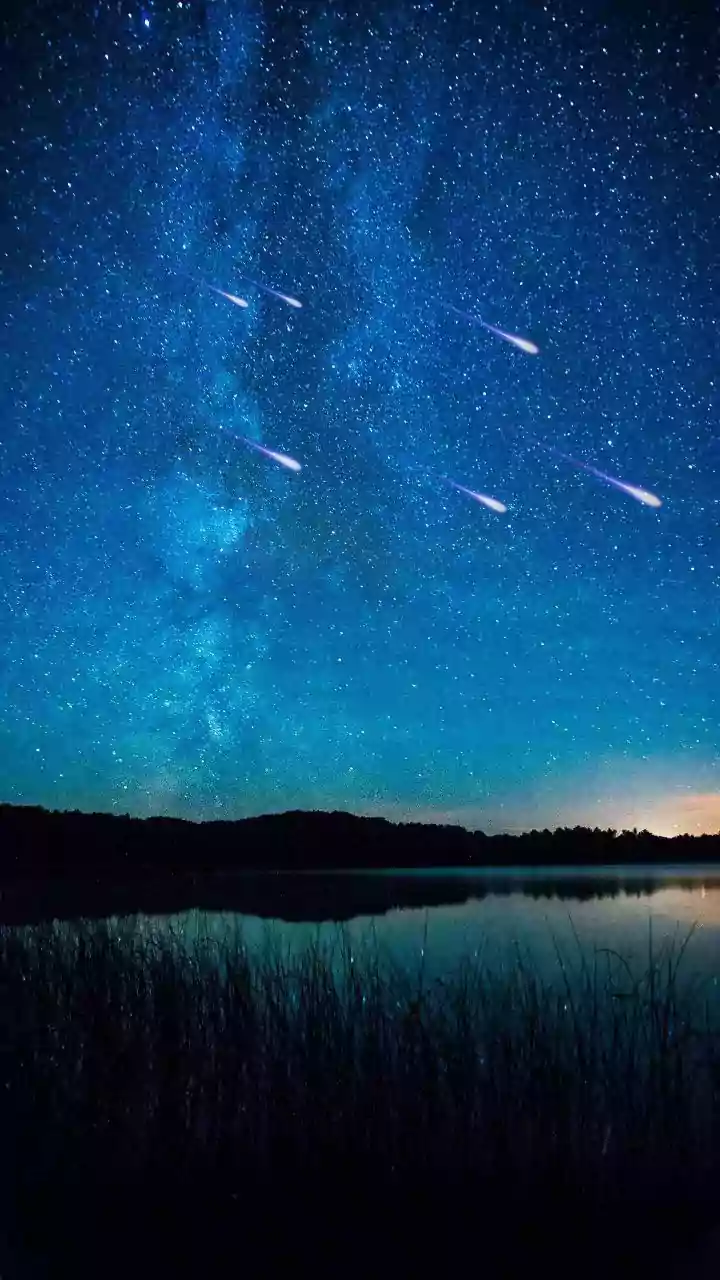
With the orbit calculated and the chemical composition analyzed, the final step is to search for a match. Astronomers compare the meteoroid's orbit to vast databases of known solar system objects. Often, they look for a match with a meteoroid stream, which is a trail of debris left behind by a comet or a shattered asteroid. For example, the Perseid meteor shower, which occurs every August, is known to originate from the debris trail of Comet Swift-Tuttle. If a meteor's orbit matches that of a known asteroid family or comet, scientists can confidently identify its source, sometimes solving a celestial mystery that began with a simple streak of light.
The Ultimate Proof: Finding the Meteorite
In rare cases, a piece of the incoming rock survives its fiery descent and lands on the ground as a meteorite. Finding it provides the ultimate confirmation. Scientists can then directly analyze its composition in a lab. The chemical makeup, isotopic ratios, and even trapped gases can be compared to data from space missions to asteroids like Vesta, or even to the known atmospheric composition of Mars. This physical evidence offers a direct link, confirming the rock's origin and providing a tangible piece of another world for study right here on Earth.