






The Perseids: A Summer Classic
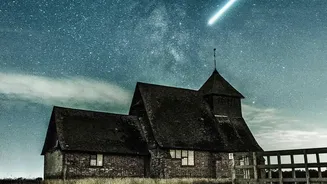
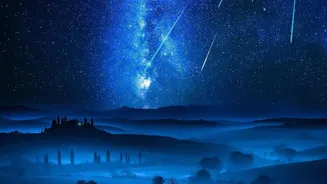
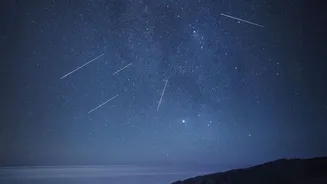
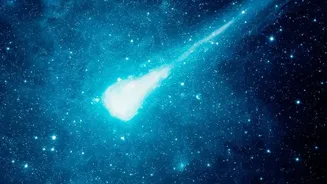
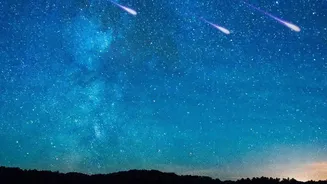
The Perseid meteor shower, which peaks annually around August 12-13, is one of the most beloved celestial events. These meteors are actually tiny dust particles left behind by the comet Swift-Tuttle, which takes 133 years to orbit the sun. When Earth
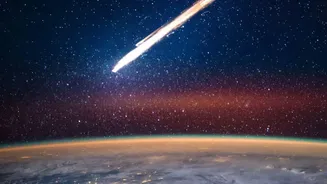
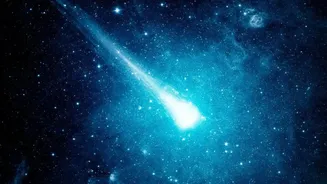
passes through this debris trail, the particles burn up in our atmosphere at high speeds, creating bright streaks of light. For 2026, the peak has just passed, but it was a particularly good year thanks to the new moon creating ideal dark-sky conditions. While you may have missed the peak this time, the Perseids are a reliable and spectacular show, so be sure to mark your calendar for next August. They are known for producing a high rate of meteors, including occasional bright fireballs that light up the sky.
Next Up: The Orionids in October
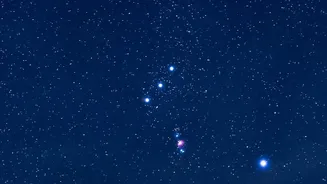
Your next and best opportunity for meteor-watching this year is the Orionid shower. The Orionids are active from early October to early November, with the peak expected on the night of October 21-22, 2026. These meteors are famous for being fast and bright, often leaving glowing trails that linger for a few seconds after the meteor has vanished. They are born from an even more famous parent: Halley's Comet. Each October, Earth passes through the trail of cosmic dust left by this legendary comet on its 76-year journey around the sun. Under ideal dark-sky conditions, you can expect to see about 15 to 20 meteors per hour during the peak. The best time to watch will be in the pre-dawn hours, after midnight, when the shower's radiant point in the constellation Orion is high in the sky.
How to Watch: The Essentials
You don’t need any special equipment to enjoy a meteor shower—just your eyes. The most crucial factor is finding a location away from city lights. Light pollution from urban areas can wash out all but the brightest meteors. Give your eyes at least 20-30 minutes to fully adjust to the darkness; this means putting your phone away, as its bright screen will ruin your night vision. Comfort is key, as you’ll be looking up for a while. Bring a blanket or a reclining chair to lie back on. Even on a summer or autumn night, it can get chilly, so dress in warm layers. Finally, check the weather forecast before you head out. Clouds can easily spoil the show.
India’s Non-Metro Stargazing Havens
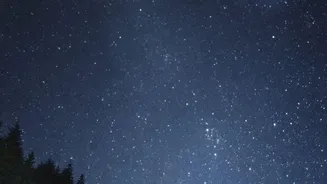
To truly experience a meteor shower, you need to escape the urban sprawl. Fortunately, India has many destinations with wonderfully dark skies. High-altitude deserts like Spiti Valley in Himachal Pradesh and the area around Hanle in Ladakh are world-class stargazing spots, offering crystal-clear nights. Hanle is even home to India's first official Dark Sky Reserve. For those not wanting to travel to the Himalayas, the Rann of Kutch in Gujarat provides a unique experience, with the vast white salt desert reflecting the starlight. In the south, the coffee plantations of Coorg in Karnataka offer dark skies away from city centres, particularly between October and May. Other accessible options include hill stations like Narkanda in Himachal Pradesh or desert locations near Jaisalmer in Rajasthan.