



The Reign of the 'Clean Girl'
For the past few years, the 'clean girl' aesthetic has been inescapable. Emerging from platforms like TikTok, it championed a polished, 'effortless' look defined by minimal makeup, neatly styled hair, and a neutral wardrobe. It was a reaction against
the chaos and maximalism of previous trends, offering a sense of calm and order. This look wasn't just about beauty; it was a lifestyle. It promoted habits that signaled a life of discipline and wellness, from Pilates classes to green juices. The core of the trend was the 'no-makeup makeup' look, which relied on strategically applied products like tinted moisturizer, cream blush, and clear brow gel to create a fresh-faced appearance. The goal was to look put-together and healthy, as if you naturally woke up glowing.
Cracks in the Polished Facade
Despite its popularity, the 'clean girl' aesthetic faced significant criticism. A major issue was its lack of inclusivity. The trend predominantly featured thin, white women and often required naturally clear skin and access to expensive products and treatments to achieve its 'effortless' look. This made the aesthetic an unattainable ideal for many, promoting a narrow and exclusionary standard of beauty. Furthermore, the name itself was deemed problematic, implying that those who didn't adhere to this minimalist, polished look were somehow 'unclean' or 'messy'. The aesthetic was also criticized for co-opting styles, like slicked-back hair and gold hoop earrings, that have been staples in Black and Latina communities for decades, rebranding them without acknowledging their origins.
The Shift from Aesthetics to Health
The exhaustion with chasing an unattainable ideal has led to a natural evolution. The focus is shifting from simply appearing healthy to being healthy. This new chapter of the trend is less about the visual performance of wellness and more about the science of skin. Enter the era of skin barrier health. Consumers are becoming more educated about skincare ingredients and functions. There's a growing understanding that true radiance comes not from concealer and highlighter, but from a strong, resilient skin barrier—the outermost layer of your skin that locks in moisture and protects against irritants. This reflects a broader cultural move away from quick fixes and towards long-term, sustainable well-being.
Meet 'Skinimalism': The New Clean
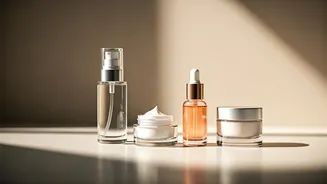
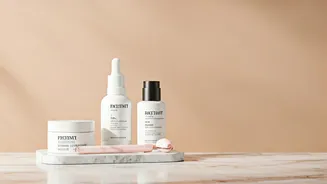
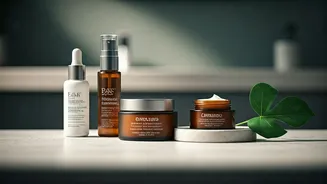
This evolution has a name: 'skinimalism'. It champions a less-is-more approach, focusing on a simplified routine with a few highly effective products rather than a complex, multi-step regimen. A typical skinimalist routine includes the non-negotiables: a gentle cleanser, a hydrating moisturizer, and a broad-spectrum sunscreen. The goal is to support the skin's natural functions, not to overload it with harsh actives or unnecessary products that can lead to irritation. This new philosophy prioritizes ingredients that repair and fortify the skin, such as ceramides, peptides, niacinamide, and hyaluronic acid. The ultimate status symbol is no longer a full shelf of expensive products, but skin that is so healthy it needs very little intervention.
A More Authentic Approach to Beauty
This move towards skin health represents a more democratic and authentic vision of beauty. While the original 'clean girl' trend often felt like a performance of perfection, the focus on skin health is a personal journey. It encourages individuals to understand and care for their unique skin needs rather than conforming to a rigid aesthetic. This shift values progress over perfection and celebrates real skin textures. By prioritizing health, the trend becomes less about achieving a specific 'look' and more about the practice of self-care. It's a quieter, more internal form of beauty that emphasizes feeling good in your own skin, which is a trend that promises more longevity and personal satisfaction than any fleeting aesthetic ever could.