





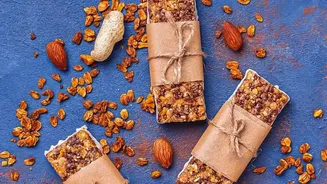
A Tale of Two Snack Shelves
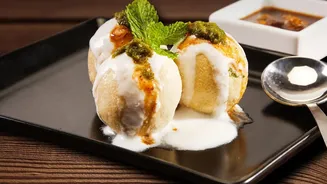
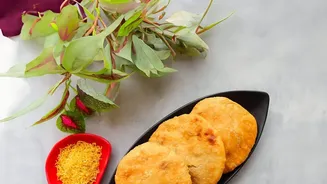
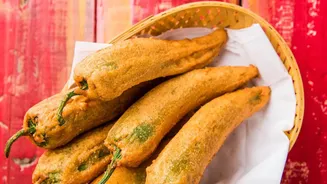
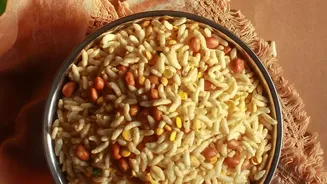
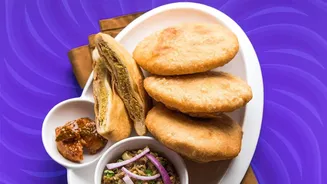
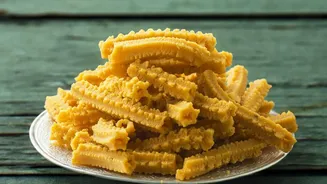
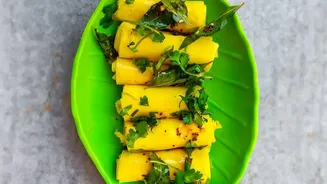
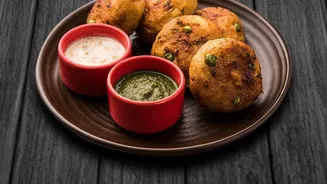
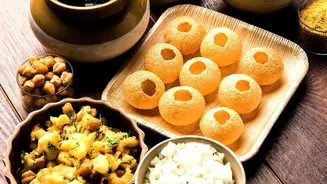
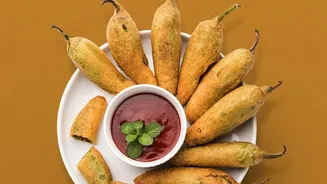
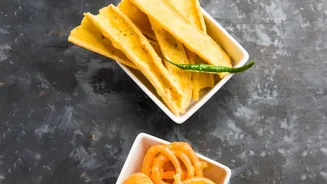
For generations, the Indian snack landscape was dominated by the unorganised sector. Think fresh samosas from a local vendor, or regional namkeens sold by weight from large glass jars at the corner kirana store. While these traditional favourites remain
beloved, a new contender has emerged: the packaged snack. Rapid urbanisation, rising disposable incomes, and hectic work schedules have created a powerful demand for ready-to-eat options. This shift has paved the way for a booming organised market, projected to grow significantly and reach over INR 1 trillion by 2034. Today’s snack aisle, whether physical or digital, tells a story of this evolution, where traditional flavours in modern packaging sit alongside globally inspired treats.
The Convenience Imperative
At the heart of this market shift is the modern Indian consumer's need for convenience. Busy professionals, students, and active families increasingly prefer snacks that are portable, easy to consume on-the-go, and have a longer shelf life. This has fuelled the rise of single-serving pouches and multi-packs that fit seamlessly into a fast-paced lifestyle. The explosion of quick commerce platforms has further amplified this trend. With delivery available in minutes, consumers can satisfy an impulse craving or stock up on essentials without leaving their homes, giving smaller and newer brands unprecedented access to a national audience.
A World of Flavours
Variety is the second major force reshaping the market. Consumers are no longer satisfied with a limited range of traditional tastes. Exposure to global cultures through travel and the internet has created an appetite for new and exotic flavours, from Korean chilli to cheesy jalapeno. At the same time, there's a renewed appreciation for India's own diverse culinary heritage. Brands are finding success by giving authentic regional recipes, like Kerala's banana chips, a modern, premium twist. This has led to an explosion of innovation, with companies launching products that cater to a wide spectrum of palates, blending international trends with local tastes to capture a wider consumer base.
The Rise of the Mindful Snacker
Perhaps the most significant change is the growing health consciousness among Indian consumers. The mindless munching of the past is being replaced by mindful, intentional snacking. A 2025 consumer study revealed that 72% of people actively seek functional benefits like energy or protein from their snacks. This has created a massive demand for 'better-for-you' options: baked instead of fried, low-sugar, high-protein, and made with natural ingredients. Ingredients like millets, nuts, seeds, and lentils are moving from the pantry to the snack packet. Brands are responding by focusing on 'clean labels', with 55% of consumers preferring snacks without preservatives. This health-driven trend is not just a niche; it's becoming a mainstream expectation.
How Brands are Responding
This evolving landscape has opened the door for a wave of new direct-to-consumer (D2C) brands like The Whole Truth, Yoga Bar, and Beyond Snack. These agile startups are challenging legacy FMCG giants by focusing on ingredient transparency, innovative flavours, and building a direct relationship with their customers. They use storytelling and digital marketing to build trust and community. In response, established players are also innovating, launching healthier product lines and acquiring successful D2C brands to stay competitive. The result is a dynamic, competitive, and rapidly expanding market where the ultimate winner is the consumer, who now has more choice than ever before.