
The New Philosophy of Fast and Fresh
For years, the promise of a delicious, healthy, home-cooked meal in under 30 minutes felt like a myth. Yet, the modern kitchen is proving it can be a reality. The secret lies in a changing mindset. The pressure for every meal to be an elaborate, multi-dish
affair is fading. Instead, the focus is shifting to simple, nutrient-dense meals that are satisfying without demanding hours of labour. This approach prioritises fresh ingredients and smart techniques over complex processes. It's about embracing strategies like one-pot cooking, which simplifies preparation and cleanup, allowing for more time to enjoy the food and less time scrubbing pans. This trend isn't about cutting corners on health, but rather being more efficient with time and energy.
Deconstructing the Speedy Meal
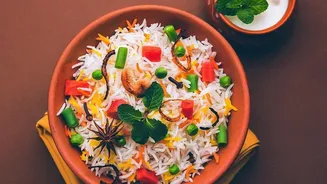
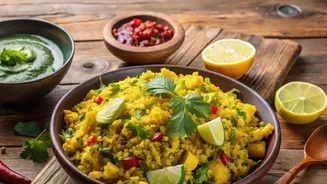
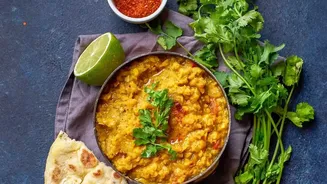
What truly makes a recipe fast? It is a combination of clever strategies. One-pot or one-pan recipes are a cornerstone, minimising cleanup and allowing flavours to meld beautifully. Think of a vegetable khichdi, a classic Indian one-pot comfort meal, or a quick paneer and vegetable stir-fry. The trick is to use ingredients that cook quickly and require minimal prep. Pre-chopping vegetables on a Sunday can save precious minutes during the week. Utilising modern appliances like pressure cookers and air fryers also drastically cuts down cooking time. Furthermore, many recipes are designed around a simple, balanced formula: a quick-cooking protein (like paneer, eggs, or chicken), a fast carbohydrate (like quinoa or rotis), and plenty of easy-to-add vegetables.
The Anatomy of a 20-Minute Balanced Plate
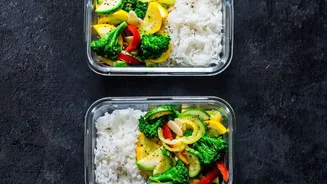
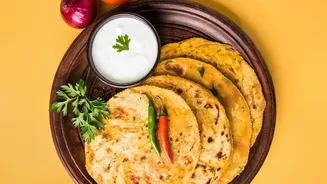
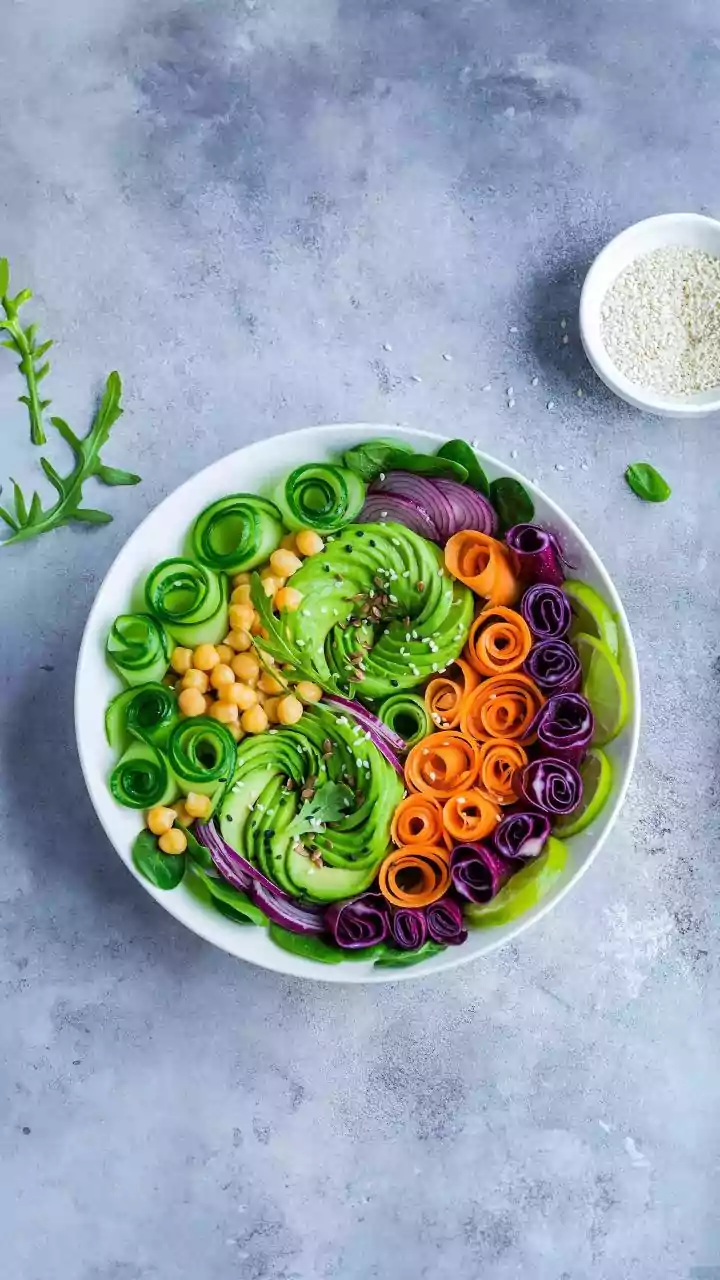
Creating a balanced meal quickly is about having a flexible template. A good way to visualise it is the plate method: half your plate should be vegetables, a quarter should be lean protein, and the final quarter should be carbohydrates. For an Indian kitchen, this is easily achievable. A quick dinner could be paneer bhurji (crumbled paneer with spices), a couple of rotis, and a side of sliced cucumber and tomatoes. Another option is a simple dal tadka with jeera rice. These meals are not only fast but also packed with nutrients. Even leftovers can be transformed; a leftover sabzi can be rolled into a roti for a quick, convenient wrap. The goal is to assemble, not always to cook from scratch.
Smart Stocking and Meal Prep
A well-stocked kitchen is the foundation of fast and healthy cooking. Having essentials on hand prevents last-minute unhealthy choices. Key items for an Indian kitchen include dals, rice, whole wheat flour, poha, and basic spices. Keeping a stock of canned goods like chickpeas and tomatoes, along with frozen vegetables, means you always have the building blocks for a meal. Meal prepping doesn't have to mean cooking all your meals for the week at once. It can be as simple as boiling some dal, making a base onion-tomato masala, or preparing a batter for besan chilla ahead of time. These small steps can save significant time on busy weekdays, making a fresh, home-cooked meal achievable in minutes.