


The Science of the Scroll
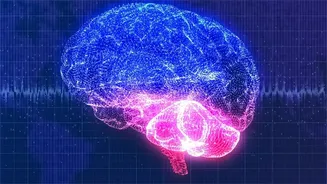
Platforms like TikTok, Instagram Reels, and YouTube Shorts are engineered to be neurologically captivating. Each short, punchy video provides a small burst of dopamine, the brain's pleasure and reward neurotransmitter. This creates a powerful feedback
loop. As you scroll from one video to the next, your brain gets used to a constant stream of novel, high-reward stimuli with minimal effort. This process is sometimes referred to as a 'dopamine loop,' and it trains the brain to crave and expect instant gratification. Studies have shown that excessive use of these short-form video apps can lead to cognitive changes, including making it harder to sustain attention on tasks that don't provide the same rapid rewards. The brain becomes conditioned to favor brief bursts of engagement over prolonged periods of concentration.
A New Narrative Rhythm
The cognitive habits formed by endless scrolling have a direct impact on how we experience longer forms of entertainment. Feature films, by design, are built on slower narrative arcs, deliberate pacing, character development, and delayed payoffs. This stands in stark contrast to the rapid-fire editing and instant emotional hits of a 30-second video. For a brain accustomed to the rhythm of the scroll, the slower burn of a traditional film can feel unengaging or even tedious. This isn't necessarily a conscious decision, but a neurological one; your brain, trained to seek the next stimulus, can interpret a quiet, dialogue-heavy scene as a moment of under-stimulation, prompting distraction. A recent student poll found that nearly a quarter of respondents struggled to sit through an entire movie, and almost half had a hard time staying focused while reading, pointing to a broader trend of fragmented attention.
How Hollywood is Responding
The film and television industry is acutely aware of this shift. Streaming services, in particular, are adapting their content strategy to cater to viewers who may be multitasking on their phones. Actor Matt Damon revealed that Netflix encourages filmmakers to reiterate plot points multiple times within a movie and to place major action sequences within the first five minutes to hook viewers immediately. This 'front-loading' of excitement is designed to combat wandering attention. On the marketing side, studios now heavily rely on social media platforms to generate hype, using trending sounds and influencer campaigns on TikTok to make a film feel like an unmissable event. Some productions are even experimenting with structure, such as splitting epic stories into two separate films to create a more digestible viewing experience with a built-in intermission.
Is Long-Form Cinema Doomed?
Despite these challenges, the death of the feature film has been greatly exaggerated. Theatrical moviegoing has seen a healthy rebound in 2026, with a diverse slate of films—from family blockbusters to adult dramas—finding success. Rather than a collapse of attention, what we are seeing is a change in how audiences choose to spend it. People are becoming more selective, and for a movie to justify the time and expense of a theater visit, it often needs to feel like a cultural event. The future may not be a world without long movies, but rather a more polarized one. We may see more fast-paced, action-packed blockbusters designed to be 'phone-proof' and a thriving space for prestige and art-house cinema that caters to a dedicated audience seeking deep immersion. The middle-ground, everyday movie may be what struggles most to compete for our increasingly fragmented focus.