





Why Monsoon Is Peak Tick Season
While ticks can be a year-round problem, the monsoon creates a perfect storm for their proliferation. The combination of high humidity and moderate temperatures provides the ideal breeding ground for these parasites. They thrive in damp, overgrown vegetation,
which flourishes during the rains. Your pet is more likely to encounter them in tall grasses at the park, in your own garden, or even on a simple walk down a leafy lane. The moisture in the air helps ticks survive longer without a host, increasing the chances of an encounter. This seasonal surge means that vigilance isn't just recommended; it's essential for your pet's health.
The Hidden Dangers of a Tick Bite
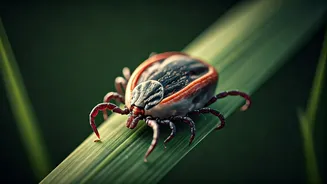
A tick is not just an unsightly pest; it's a vector for serious diseases. When a tick bites, it can transmit dangerous pathogens directly into your pet's bloodstream. In India, some of the most common tick-borne illnesses in dogs include Canine Ehrlichiosis and Babesiosis, often referred to as 'tick fever'. Symptoms can be severe and may include high fever, lethargy, loss of appetite, pale gums, and even neurological issues. These conditions can progress rapidly and become life-threatening if not diagnosed and treated early. A daily check is your first line of defence against these potentially devastating diseases, allowing you to catch the problem before an infection can take hold.
Your Daily Tick-Check Guide
Make the tick check a positive part of your daily routine, perhaps after your evening walk when your pet is relaxed. It should only take a few minutes. Be methodical and thorough. Run your fingers slowly through your pet's fur, feeling for any small bumps on the skin. Ticks can be as small as a pinhead, so feel carefully. Pay special attention to their favourite hiding spots: inside and around the ears, between their toes and paw pads, under the collar, around the eyelids, in their armpits, and around the tail and groin area. For long-haired breeds, you may need to use a comb to part the fur for a better view. Consistency is key; a tick missed one day can transmit disease the next.
Found a Tick? How to Remove It Safely
If you find a tick, do not panic and do not use your fingers to pull it off. Squeezing the tick's body can inject more harmful saliva into your pet. Similarly, avoid folklore remedies like using a hot matchstick or petroleum jelly, as these can cause the tick to regurgitate toxins. Instead, use a pair of fine-tipped tweezers or a specialised tick-removal tool. Grasp the tick as close to your pet's skin as possible. Pull upward with steady, even pressure. Avoid twisting or jerking, as this can cause the mouth-parts to break off and remain in the skin. Once removed, dispose of the tick by placing it in alcohol or flushing it. Clean the bite area and your hands thoroughly with soap and water. It's a good idea to monitor the spot for a few days for any signs of irritation or infection.
Prevention Is the Best Strategy
While daily checks are crucial for removal, preventing ticks from latching on in the first place is the ultimate goal. Speak to your veterinarian about the best preventative treatment for your pet. Options range from monthly spot-on treatments and oral medications to tick-repellent collars. The right choice will depend on your pet's breed, age, health, and lifestyle. Additionally, you can make your environment less friendly to ticks. Keep your garden grass trimmed short and remove leaf litter. After walks in wooded or grassy areas, consider brushing your pet before they come inside. Using vet-approved anti-tick shampoos during their regular baths can also add another layer of protection during the high-risk monsoon months.