






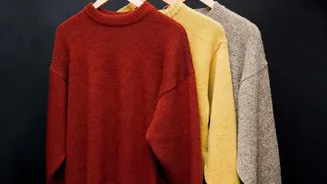

The Great Seasonal Sort
Before anything else, empty your entire wardrobe. Create a clear space on your bed or floor and tackle your clothing item by item. Sort everything into four distinct piles: keep, store, donate, and discard. Be honest with yourself. For the 'keep' pile,
select only the winter items you love and will wear. The 'store' pile is for summer clothes that need to be packed away. If an item is in good condition but you haven't worn it in the last year, it's a prime candidate for the 'donate' pile. Items that are damaged beyond repair should be discarded responsibly. This initial step is the most crucial for reducing clutter and making space for your winter essentials.
The Pre-Storage Deep Clean
Never store clothes that are dirty, even if they look clean. Invisible body oils, sweat, and small food particles are a magnet for pests like moths. Before packing away your summer garments, ensure every single item is properly cleaned and, most importantly, completely dry. Any lingering moisture can lead to mould, mildew, and musty odours during storage. For machine-washable items, run them through a cycle. For more delicate pieces or those you're unsure about, a trip to a professional dry cleaner is a wise investment. When dry cleaning, ask that items not be starched, as starch can also attract pests.
Special Care for Wool and Cashmere
Winter fabrics like wool and cashmere require a gentle touch. Always check the care label first. For many knits, hand-washing is the safest method. Use a basin of cool water and a small amount of mild detergent specifically designed for wool or delicates. Submerge the garment, gently squeeze the suds through it, and let it soak for about 10-30 minutes. Avoid vigorous rubbing or wringing, which can cause the fibres to felt and shrink. Rinse with cool, clean water until all the soap is gone. To dry, gently press out excess water, roll the sweater in a clean towel to absorb more moisture, and then lay it flat on a drying rack or another towel, away from direct sunlight or heat. Never hang a wet knit sweater, as the weight of the water will stretch it out of shape.
Smart Storage for Off-Season Clothes
Once clean and dry, your summer clothes are ready for hibernation. The right storage container is key. Avoid storing clothes in plastic bins or bags long-term, as they trap moisture and don't allow fabrics to breathe. This can lead to discolouration and damage. Instead, opt for breathable containers like cotton storage bags or linen boxes. For bulky items where space is a concern, vacuum-sealed bags can be used for short-term storage, but be aware they can cause deep creases. Fold items neatly to prevent wrinkles. When storing, choose a cool, dry, and dark place like a high closet shelf or an under-bed storage box. Attics and basements can have extreme temperature fluctuations and humidity, making them less ideal.
Prepping Your Winter Wear
Now for the exciting part: welcoming back your winter favourites. As you unpack them, inspect each item. Check for any issues that may have developed in storage, like small holes, loose buttons, or a musty smell. Airing clothes out in a shaded, well-ventilated area for a few hours can work wonders to remove any storage odours. A light pass with a garment steamer can also help refresh fabrics and remove creases. This is also the time to make any necessary repairs, so your clothes are ready to wear the moment the first cold snap hits. Don't wait until you need an item to discover it needs a button sewn on or a seam mended.
Pest Prevention Is a Priority
Protecting your woollens and other natural fibres from pests is a critical part of winter wardrobe care. Moths are particularly drawn to natural protein fibres like wool, cashmere, and silk. Instead of using traditional mothballs, which contain harsh chemicals and have a strong, unpleasant odour, opt for natural repellents. Cedar blocks or chips are a classic choice, as their aromatic oils naturally deter moths. Sachets filled with dried lavender, cloves, rosemary, or thyme also work well and leave your wardrobe smelling fresh and pleasant. Remember that these natural repellents work by masking the scent of the fibres, so they should be used in a clean wardrobe to prevent an infestation before it starts.