


The New Digital Restoration
For decades, restoring a damaged or faded family photograph was a job for professionals with expensive software and years of experience. The process was slow and costly, meaning most families only ever restored one or two key images. Today, that has completely
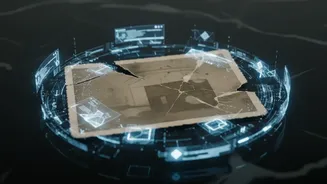
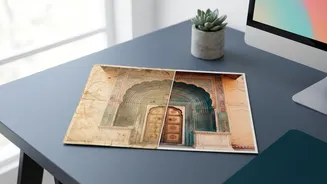
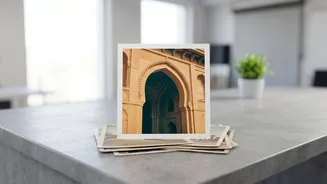
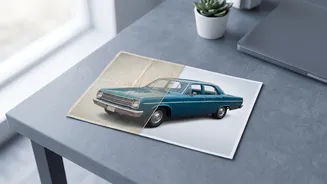
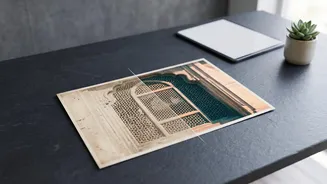
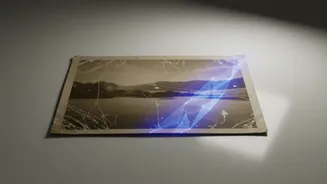
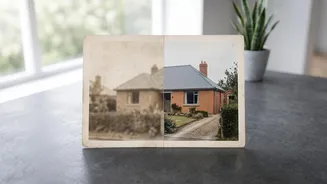
changed. A new wave of accessible AI-powered tools and plugins has democratised photo restoration. Services like Adobe Firefly, MyHeritage, Picsart, and others use advanced algorithms trained on millions of images. These tools can automatically detect and repair common issues like scratches, tears, stains, and faded colours. With just a few clicks, anyone can now upload a scanned image of an old, damaged print and watch as the AI brings it back to life, often in seconds.
From Black and White to Living Colour
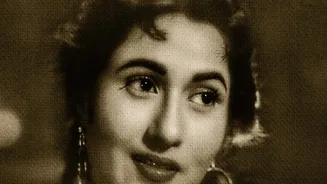
One of the most powerful features of these AI plugins is colorization. For generations who have only known their ancestors through monochrome prints, seeing them in realistic colour is a profound experience. The AI analyses the grayscale information in a photo—the textures of fabrics, the tones of skin, the light in the environment—and intelligently predicts the original colours. A black-and-white wedding portrait of a grandparent, once a distant historical document, is suddenly vibrant and immediate. This process doesn't just add colour; it adds a layer of relatability and emotional connection, helping younger people see their ancestors not as figures from the past, but as living individuals.
A Bridge Between Generations
This trend is more than just a technical exercise; it's a powerful act of connection. For many young creators, restoring their family archives is a way to engage with their heritage on their own terms. It sparks conversations with parents and grandparents, unearthing stories behind the photos that might otherwise have been forgotten. Sharing a restored, colorized image of a great-grandparent can be a deeply emotional moment that bridges generational divides. In a world where most memories are digital and fleeting, this act of preservation grounds them in their family's history, creating a tangible link to their roots.
The Rise of the Digital Archivist
By making these tools so easy to use, AI has empowered a new generation to become the official archivists of their family's legacy. Physical photos are vulnerable to fire, floods, and the simple passage of time. By digitizing and restoring these images, young people are ensuring their family's visual history is securely backed up and preserved indefinitely. This organised digital archive becomes an invaluable resource for future generations, easily shareable with relatives across the globe and safe from physical decay. It turns a dusty box of prints into a living, accessible history that can be added to, annotated, and passed down.
A Note of Caution
While the technology is impressive, it's not without its critics. Some experts caution that AI restoration can sometimes go too far, creating images that are historically inaccurate or that alter a person's features to fit modern, often biased, beauty standards. An AI might lighten skin tones or change facial structures, inadvertently creating a version of an ancestor that never existed. For this reason, many advise using the tools with a light touch and always saving the original, unaltered scan. The goal is to restore, not to replace. The most thoughtful approach repairs physical damage while preserving the authentic identity captured in the original photograph.