




Decoding the Labels: Cold-Pressed vs. Refined
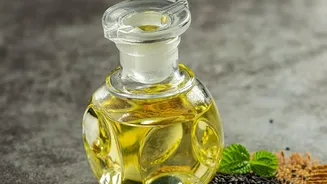
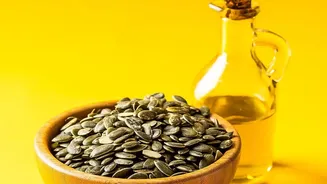
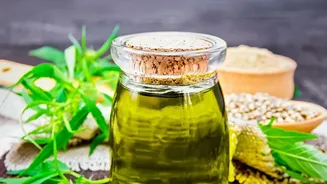
The main difference between cold-pressed and refined oils lies in how they are made. Cold-pressed oils are extracted using mechanical pressure at low temperatures, without the use of chemicals. This gentle process helps retain the oil's natural nutrients,
flavour, and antioxidants like vitamin E. Think of oils like extra virgin olive, flaxseed, or wood-pressed groundnut oil, which often have a distinct aroma and colour. Refined oils, on the other hand, undergo a multi-step industrial process that may involve high heat and chemical solvents to extract the maximum amount of oil from the seed. This is followed by bleaching and deodorising to create a neutral-tasting oil with a longer shelf life and a lighter colour. While this makes them versatile, the processing strips away many of the natural vitamins and antioxidants.
What Exactly is a Smoke Point?
An oil's smoke point is the temperature at which it stops shimmering and starts to break down, producing a visible smoke. This is a critical threshold for both flavour and health. When an oil is heated past its smoke point, its chemical structure begins to degrade. This not only creates a burnt, unpleasant taste in your food but also signals the destruction of its beneficial compounds and the creation of harmful ones. It’s important to note that the smoke point isn't a fixed number; it can be influenced by the oil's purity and age. Reusing oil, for instance, lowers its smoke point for subsequent uses.
The Smoke Signal: When Good Fats Turn Harmful
Here's where heart health comes directly into play. Heating an oil beyond its smoke point causes its healthy fats, such as polyunsaturated and monounsaturated fats, to break down and oxidise. This process generates harmful substances, including free radicals and a toxic compound called acrolein. Free radicals can cause oxidative stress and inflammation in the body, which are linked to chronic conditions, including heart disease. Acrolein, the same compound found in cigarette smoke, is particularly damaging to cardiovascular tissues. Studies have shown that chronic exposure to acrolein can contribute to heart muscle dysfunction and increase the risk of cardiovascular disease.
Matching the Oil to Your Cooking Method
The key to protecting your heart isn't to demonise one type of oil but to use the right one for the job. For high-heat cooking like deep-frying or searing, a refined oil with a high smoke point is a safer choice. Examples include refined avocado oil (around 271°C), peanut oil, canola oil, and sunflower oil. For everyday medium-heat cooking like sautéing or preparing a tadka, you have more flexibility. Refined oils work well, as do more robust unrefined oils like virgin olive oil. Cold-pressed oils, especially delicate ones like extra virgin olive oil and flaxseed oil, have lower smoke points and are best reserved for no-heat applications. Use them for salad dressings or to drizzle over finished dishes to take full advantage of their rich flavours and preserved nutrients without the risk of heat damage.
Beyond Smoke Point: The Bigger Picture
While smoke point is a crucial factor for heated applications, the overall nutritional profile of an oil matters just as much for daily heart health. Cold-pressed oils are generally richer in natural antioxidants and vitamins that are lost during the refining process. Furthermore, the type of fat is important. Oils rich in monounsaturated fats (like olive and avocado oil) and a healthy balance of omega-3 to omega-6 fatty acids are considered beneficial for heart health. Some research suggests that high consumption of industrial vegetable oils rich in omega-6 linoleic acid may promote inflammation and atherosclerosis. Therefore, focusing on a variety of minimally processed oils and using them appropriately can offer a more holistic benefit.