






The Core Experience: Rhythm vs. Repetition
At its heart, dancing is an expressive, social, and mentally engaging activity. It demands coordination, balance, and the ability to learn sequences, all set to music. Whether it's a high-energy Zumba class or a technical ballet lesson, the focus is on movement,
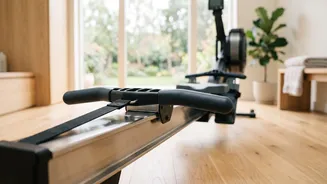
rhythm, and often, social connection. In contrast, rowing is a full-body, low-impact workout that emphasizes power, endurance, and rhythmic repetition. It engages up to 86% of your body's muscles in a single, fluid motion—primarily driven by the legs (about 60%), with the core and upper body also playing crucial roles. The experience is often meditative and solitary, focused on hitting consistent splits and maintaining proper form.
Gearing Up: The Required Equipment
One of the biggest advantages of dancing is its low barrier to entry. For many styles, like hip-hop or following an online Zumba class, all you really need is comfortable clothing and some open space in your living room. As you get more serious, you might invest in specific shoes, but the initial setup is minimal. Some dancers benefit from tools like resistance bands, yoga blocks for flexibility, or a mat for floor work, all of which are relatively inexpensive.Rowing, on the other hand, requires specific equipment. To do it at home, you need a rowing machine, also known as an ergometer. This is a significant purchase, although models are available at various price points. A quality rowing machine is a space consideration, but many are designed to be stored vertically. The alternative is joining a gym with rowing machines or a dedicated rowing club for on-the-water training, which involves membership fees and potentially other costs.
The Financial Breakdown: Cost Comparison
The costs for dancing can vary dramatically. At-home workouts using free online videos are, of course, free. If you opt for classes, drop-in rates typically range from $15 to $25. Monthly memberships for unlimited classes or private lessons can run from around $60 to over $200, depending on the studio and location. The price escalates significantly for pre-professional or private coaching.For rowing, the primary cost is the equipment itself. A new, reliable home rowing machine can range from a few hundred to over a thousand dollars. While it's a large upfront investment, it can be more cost-effective over time than a recurring gym membership. If you choose the gym route, you'll be looking at monthly fees comparable to dance studio memberships. On-water rowing clubs have their own fee structures, which often include coaching and boat usage.
Fitness Payoff: Muscles, Calories, and Impact
Both activities are fantastic cardiovascular workouts. Rowing provides a stellar full-body workout that is low-impact, making it gentle on the joints. It builds strength in the legs, back, core, and arms simultaneously. Calorie burn is high, with a 70kg person burning between 520 and 630 calories per hour at a moderate pace.Dancing is also a great calorie-burner, though the exact amount varies widely by style. A high-intensity street dance class might burn over 300 calories in just 30 minutes, while a moderate ballet class could burn around 200-230 in the same time. Dancing is excellent for improving balance, coordination, and agility. While generally low-impact, some styles with jumping can be harder on the joints than rowing. Most dance forms heavily target the lower body and core.
Accessibility and The Fun Factor
For many, the 'best' workout is the one they enjoy enough to do consistently. Dancing often wins here due to its fun, social, and creative nature. It's an activity that doesn't always feel like exercise. The learning curve varies by style, but beginner classes in formats like Zumba are designed to be easy to follow.Rowing has a very precise technique that can take time to master to prevent injury and be efficient, but once learned, the movement is repetitive. Its low-impact nature makes it highly accessible, especially for those with joint issues, and it can be a great choice for people of all fitness levels. The choice ultimately comes down to whether you're motivated by expressive, music-driven movement with a social element or a powerful, meditative, and highly efficient full-body workout.