


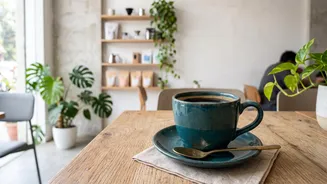
The Dawn of a New Coffee Culture
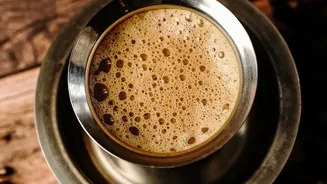
Not long ago, coffee in most Indian households meant one thing: a jar of instant coffee granules, often mixed with chicory, that promised a quick and convenient caffeine hit. While South India has a long and cherished tradition of filter kaapi, the rest
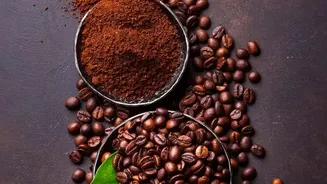
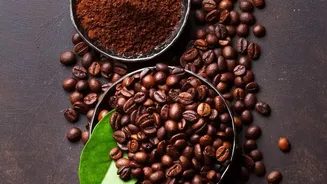
of the nation largely ran on instant mixes. Now, that landscape is changing dramatically. A cultural shift is underway, driven primarily by Millennials and Gen Z, who comprise nearly 65% of India's specialty coffee consumers. This new wave of enthusiasts is moving beyond the functional and embracing coffee as an experience, a hobby, and a statement of taste. They are swapping mass-market powders for freshly roasted beans with traceable origins, signalling a fundamental change in the country's palate.
What is an Estate Roast, Anyway?
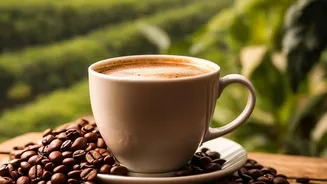
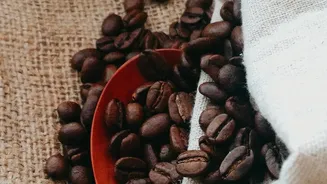
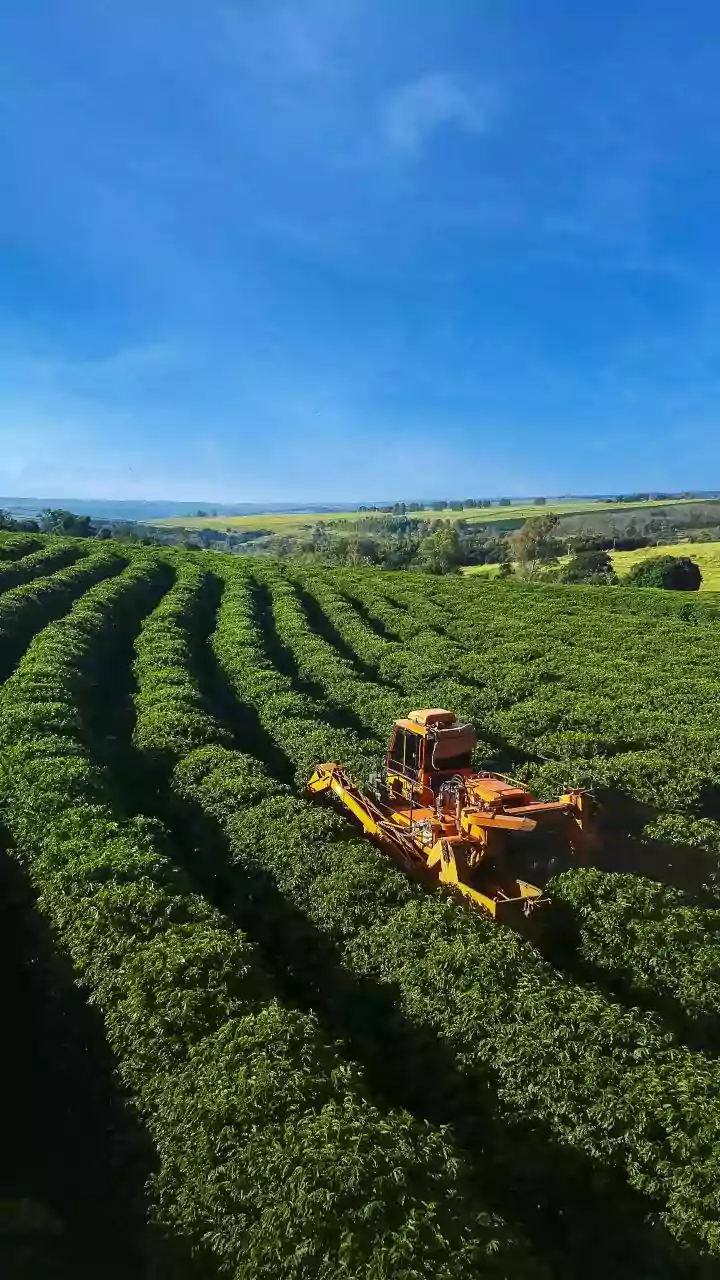
The new vocabulary of Indian coffee includes terms like "single-origin," "specialty Arabica," and "estate roast." Unlike generic blends, a single-origin or single-estate coffee comes from one specific geographical location, often a single farm. This allows the unique characteristics of that region's soil, climate, and altitude—collectively known as terroir—to shine through in the final cup. South Indian states like Karnataka, which grows over 70% of the country's coffee, are at the heart of this movement. Estates in regions like Chikmagalur, Kodagu (Coorg), and the Bababudangiri hills are becoming household names among aficionados. These beans are often shade-grown, which slows down their maturation and develops more complex sugars, resulting in nuanced flavour profiles with notes of citrus, chocolate, or spice.
The Young and the Brew-tiful
What's fuelling this change? It's a combination of rising disposable incomes, global exposure through travel and social media, and a growing desire for authenticity. For younger consumers, coffee is no longer just a beverage; it’s a lifestyle. They want to know the story behind their cup: where the beans were grown, who the farmer is, and the journey from farm to roaster. This quest for transparency has powered the rise of numerous Indian Direct-to-Consumer (D2C) brands that connect coffee lovers directly with estates. Brands like Blue Tokai, Third Wave Coffee, and many smaller roasters have built their businesses on educating consumers and making high-quality Indian coffee accessible.
From a Drink to a Ritual
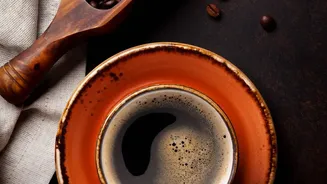
The trend extends beyond just buying better beans; it’s about the entire process. The pandemic-induced lockdowns accelerated a boom in home brewing, with enthusiasts investing in equipment like pour-over kits, French presses, and grinders. This has transformed coffee from a passive morning habit into a mindful daily ritual. Social media is filled with tutorials and aesthetic videos of brewing routines, further romanticising the process. Cafés are also evolving, becoming community hubs that offer workshops, tasting sessions (known as 'cuppings'), and events that foster a deeper appreciation for the craft. They've become 'third places' for work, socializing, and creativity, cementing coffee's role in modern Indian urban life.