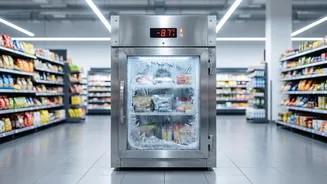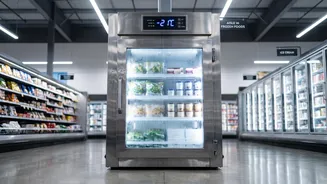







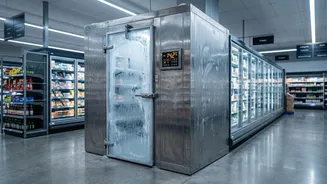
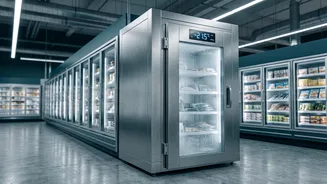
The frozen food aisle is an unlikely frontline for cyber warfare, yet recent attacks across Europe have turned supermarket freezers into targets. Hackers are exploiting digital controls to spoil food, raising urgent questions about a hidden vulnerability.
A Chilling Wave of Attacks
In early November 2026, supermarkets across at least seven European countries, including Belgium, Sweden, Ireland, and the Netherlands, reported a coordinated disruption. Hackers remotely seized control of refrigeration systems, in some cases raising freezer temperatures to a shocking 50 degrees Celsius. This forced stores to discard millions of dollars worth of spoiled food and echoes a similar, widespread attack that hit hundreds of French supermarkets just weeks earlier in October. These incidents were not sophisticated breaches of corporate IT networks; instead, they targeted the often-overlooked operational technology that runs the stores themselves.
The Weak Link: Internet-Connected Controls
The vulnerability lies in the very systems meant to improve efficiency: internet-connected industrial control systems (ICS). Many modern commercial refrigerators use controllers from manufacturers like Danfoss to allow for remote monitoring and maintenance. While convenient, connecting these systems directly to the public internet without proper security creates a glaring weakness. Investigations into the French attacks revealed that thousands of controllers were exposed online, many running on older, unpatched firmware or protected by simple default passwords. This allowed attackers to easily find and manipulate them, essentially walking through an unlocked digital door to wreak physical havoc.
More Than Just Spoiled Milk
The financial cost of spoiled inventory is staggering, with one Belgian butcher losing an estimated €15,000 worth of meat overnight. But the risks extend far beyond direct financial loss. These attacks disrupt the food supply chain, undermine consumer confidence, and raise serious food safety concerns. In some cases, the malfunctioning equipment has even created fire hazards. The success of these low-effort, high-impact attacks serves as a stark demonstration of capability, whether by lone hackers or state-affiliated groups testing vulnerabilities in critical infrastructure. Following the events in Europe, U.S. federal agencies, including CISA and the FBI, issued a joint warning for American businesses to secure their own refrigeration systems.
Securing the Digital Thermostat
Cybersecurity experts stress that these attacks were preventable. The solutions do not require inventing new technology but rather applying fundamental security practices to operational hardware. Security firms and agencies are urging businesses to conduct immediate audits of all connected equipment. Key recommendations include ensuring that control systems are not directly exposed to the public internet, changing all default passwords to strong, unique ones, and applying security patches and firmware updates as soon as they become available. For systems that require remote access for maintenance, this should be done through secure, restricted connections like a VPN, not an open port. Businesses are being reminded that cybersecurity is no longer just about protecting data; it's about protecting physical operations.