





The Rise of the Pan-Indian Film
For decades, Indian cinema was largely defined by its regional industries. A film made in Telugu or Kannada was primarily for its local audience. While dubbed versions existed, the true crossover hit was rare. That changed dramatically with S.S. Rajamouli’s
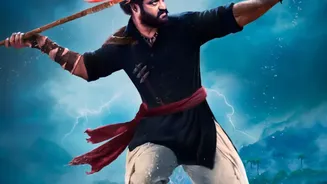
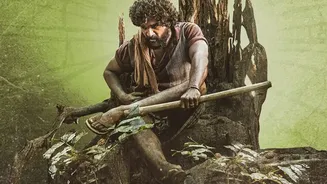
‘Baahubali’ series. Released in multiple languages simultaneously, it proved that a story rooted in one region could find a massive audience nationwide if it delivered universal emotions and unprecedented spectacle. This gave birth to the 'pan-Indian' film: a movie designed from the ground up to transcend linguistic and cultural barriers. Soon after, films like 'KGF', 'Pushpa: The Rise', and 'RRR' followed suit, becoming cultural phenomena and cementing a new cinematic movement.
The 'Mass' Hero Playbook
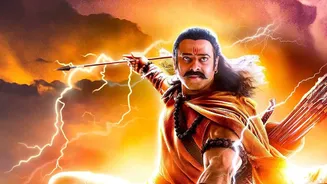
At the heart of this trend is the unapologetic embrace of 'mass' cinema tropes. These are storytelling elements designed for maximum theatrical impact, focusing on a larger-than-life hero. This hero is often an outsider or underdog who rises to become a saviour, a near-mythical figure who can take on hundreds of enemies single-handedly. The narrative is built around powerful emotional cores—motherly love, unwavering friendship, or righteous fury. The story is punctuated by 'elevation scenes' where the hero's power and status are dramatically revealed, often accompanied by thunderous music and memorable punch dialogues. This formula creates an intense, cathartic experience that resonates deeply with audiences who have grown up with tales of mythological heroes and epic struggles.
Enter Hollywood-Grade Visuals
What makes the new wave of pan-Indian films different is the fusion of these traditional tropes with cutting-edge visual effects. Where earlier films might have suggested a hero's might, today's sagas show it in breathtaking detail. Directors like S.S. Rajamouli and Prashanth Neel use VFX not just for polish, but as a core storytelling tool. Whether it’s creating the majestic kingdom of Mahishmati in 'Baahubali', staging the physics-defying animal attack in 'RRR', or building the dark, gritty world of 'KGF', VFX provides the scale to make these epic visions a reality. Notably, a huge portion of this world-class work is being done by Indian VFX studios like Makuta VFX, which worked on 'Baahubali' and 'RRR', proving that homegrown talent is now competing on a global level.
A Match Made in Movie Heaven
The genius of these films lies in how seamlessly they blend the two elements. The VFX isn’t just spectacle for its own sake; it’s used to amplify the 'mass' moments. The hero isn't just strong; he can punch a tiger into submission in a stunning, CGI-enhanced sequence. The villain's fortress isn't just imposing; it's a sprawling, digitally rendered city that defies imagination. This combination creates a unique cinematic language. It takes the emotional weight and hero-worship of classic Indian storytelling and elevates it with the visual grandeur once exclusively associated with Hollywood blockbusters. The result is a film that feels both deeply familiar in its emotional beats and completely fresh in its presentation, offering an experience that domestic audiences hadn't seen before on this scale.
Why the Formula Is Unbeatable
The pan-Indian action saga connects with audiences because it delivers an undiluted, high-impact theatrical experience. In an age of streaming and smaller-screen content, these films make a powerful case for the magic of the movie theatre. The stories, often drawing from universal themes of justice, rebellion, and mythology, are simple enough to be understood across cultures, while the visual presentation is spectacular enough to command attention. The hero-centric narratives, championed by directors like Rajamouli for their emotional clarity and Neel for their raw intensity, provide a powerful form of escapism. By dubbing and releasing simultaneously across the country, filmmakers ensure that everyone is part of the same cultural conversation, turning a film release into a national event.