





The Unwelcome Monsoon Guest
Living by the sea has its undeniable charms, but the high humidity, especially during the rainy season, can wreak havoc on our homes. Walls in cities like Mumbai, Chennai, and Kolkata often bear the brunt, developing persistent dampness that leads to
peeling paint, unsightly water stains, and the growth of mould. This isn't just an aesthetic problem; it can affect air quality and the structural integrity of the plaster. For years, the cycle has been the same: scrape, apply a temporary fix, and repaint, only to see the problem return with the next downpour. It’s a frustrating and often costly battle.
Fabric: An Unlikely Hero
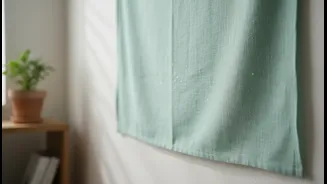
Interior designers and savvy homeowners are increasingly turning to a more elegant and effective solution: textiles. Rather than simply hiding the problem, covering a wall with the right fabric can offer a breathable, long-term fix. Unlike paint or vinyl wallpapers that trap moisture, many textiles allow air to circulate. This breathability is crucial; it helps the underlying wall dry out and prevents the build-up of moisture that leads to mould and mildew. Furthermore, fabrics can add a layer of texture, warmth, and personality that paint alone cannot achieve, transforming a problem wall into a stunning feature.
Choosing the Right Textile
Not all fabrics are created equal in the fight against humidity. The key is to select materials known for their breathability and moisture-wicking properties. Natural fibres are often excellent choices. Linen, considered the gold standard for hot, humid climates, absorbs significant moisture before feeling damp and dries quickly. Lightweight cotton and jute are also fantastic, affordable options that align with a breezy, coastal aesthetic. For a more high-tech approach, consider modern performance fabrics. Synthetics like polyester, nylon, and acrylic are naturally resistant to moisture, preventing mould growth. Specially treated textiles like Crypton fabrics are engineered to repel water and stains, offering maximum durability in high-humidity zones.
Application and Installation
There are several ways to apply fabric to a wall, ranging from simple DIY projects to professional installations. One popular, low-commitment method involves using liquid starch. The fabric is simply cut to size, and the wall is coated with a starch solution, which acts as a temporary adhesive. This is ideal for renters or those who like to change their decor frequently. For a more permanent solution, you can use a staple gun, stretching the fabric taut and stapling it to the wall, then covering the staples with a decorative trim. A more luxurious, high-end option is professional fabric walling. This involves creating a frame, adding a layer of padding for acoustic and thermal insulation, and then stretching the fabric over it for a flawless, upholstered look. This method is excellent for covering imperfections and creating a truly high-end finish.
Styling Your Fabric Walls
A fabric wall covering is a powerful design statement. You can opt for a neutral, textured linen to create a calm, serene sanctuary that complements a coastal decor theme. Alternatively, embrace bold, vibrant prints that are characteristic of Indian textiles to make a feature wall that commands attention. Consider the scale of the pattern in relation to the room size. A large-scale pattern can feel grand in a spacious living room, while a smaller, more delicate print might be better suited for a bedroom. Pair your fabric wall with natural materials like rattan or light-coloured wood furniture and sheer curtains to complete the airy, coastal vibe.
Maintenance and Long-Term Care
While fabric walls are resilient, they do require some care. Regular light dusting or vacuuming with an upholstery attachment will keep them looking fresh. It is crucial to address the root cause of any severe dampness, such as leaks, before installing a fabric wall covering. While the fabric helps manage ambient humidity, it cannot fix a structural water-ingress issue. For minor spills or stains, spot cleaning may be possible depending on the fabric, but always test on an inconspicuous area first. Performance fabrics, in particular, are designed for easy cleaning. With the right choice and proper care, your textile wall will remain a beautiful and practical feature for years.