



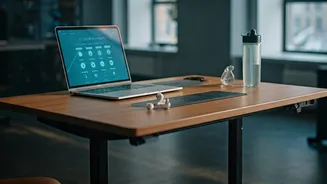


What Exactly Are Walking Pads?
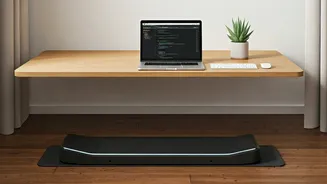
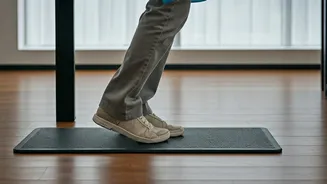
Imagine a treadmill, but without the bulky handles and console. That's essentially a walking pad. These are compact, low-profile treadmills designed to slide under a standing desk, allowing users to walk at a slow, steady pace (typically 1-6 km/h) while
they work. Unlike their gym counterparts built for high-intensity runs, these devices are all about low-impact, continuous movement. They've gained popularity globally, especially since the work-from-home boom, and are now visibly making their way into the home offices of India's tech workforce. Social media feeds and LinkedIn posts increasingly feature setups where lines of code are written and virtual meetings are attended, all while racking up thousands of steps.
The 'Why' Behind the Walk
The motivation is simple and deeply relatable for anyone in a desk-bound profession. Long hours sitting in front of a screen are a hallmark of the tech industry. This sedentary lifestyle is linked to a host of health issues, from back pain and poor posture to more serious metabolic conditions. Indian techies, known for their demanding schedules, are seeking practical solutions. The walking pad offers a compelling proposition: the ability to integrate physical activity directly into the workday without sacrificing productivity. It's a form of 'activity stacking' — combining a passive task (like attending a long meeting) with a light physical one. This helps break the monotony, fight post-lunch lethargy, and build physical stamina that a desk-chained day otherwise erodes.
Productivity on the Move
Does walking while working actually work? The anecdotal evidence from users is largely positive. Many report feeling more energised and focused. The slow, rhythmic movement can be meditative, helping to improve concentration for some tasks. It can also be a powerful tool for brainstorming or creative thinking, as light physical activity is known to boost blood flow to the brain. However, it's not a silver bullet. Tasks that require intense focus, fine motor skills (like intricate design work), or rapid typing can be challenging to perform while walking. Most users find a sweet spot, using the walking pad during meetings, while reading documents, or during less mentally demanding coding sessions, and pausing it for tasks that require absolute stillness and concentration.
The Health Equation: Benefits vs. Risks
The primary benefit is obvious: increased physical activity. Walking for a few hours a day can contribute significantly to daily step counts, burn calories, and improve cardiovascular health. It combats the negative effects of prolonged sitting and helps build endurance. However, it's not without potential risks. The biggest concern is ergonomics. Using a walking pad correctly requires a proper standing desk set to the right height to avoid straining the neck, shoulders, and wrists. There's also the risk of distraction leading to a misstep or fall, although the low speeds make this less likely. Like any repetitive motion, it could also lead to strain if not balanced with periods of rest and stretching. It's a supplement to, not a replacement for, a balanced fitness routine that includes stretching and strength training.
A Niche Trend or the Future of Work?
For now, the under-desk walking pad remains a niche trend, largely confined to those with home offices and the disposable income to invest in a standing desk and the pad itself. However, it signals a significant shift in how professionals, particularly in the tech sector, view the integration of work and wellness. As companies in India continue to embrace hybrid and remote work models, employees are gaining more autonomy over their physical workspace. This trend is a grassroots movement towards creating healthier, more dynamic work environments. While it's unlikely that entire corporate offices will be filled with walking pads anytime soon due to space and safety logistics, the conversation they've started about embedding wellness into the workday is here to stay.