


The Rise of the 'Culture-Curious' Traveller
A fundamental shift is underway in how Indians, particularly Millennials and Gen Z, approach travel. The traditional, long annual vacation is making way for multiple, shorter, and more frequent getaways. This is driven by a desire for experiences over
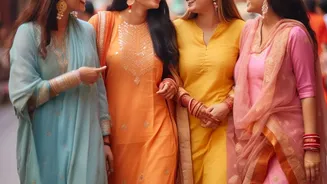
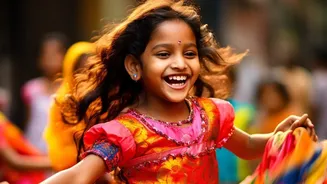
simple sightseeing. Reports show a significant majority of younger travellers prioritise cultural immersion, with many now planning their trips specifically to coincide with festivals. This new breed of 'culture-curious' traveller isn't just looking for a break; they're seeking connection, authenticity, and memories. Social media also plays a huge role, with the fear of missing out (FOMO) and the allure of Instagrammable moments from events like La Tomatina in Spain or Durga Puja in Kolkata fuelling travel decisions.
A Festival for Every Season and Interest
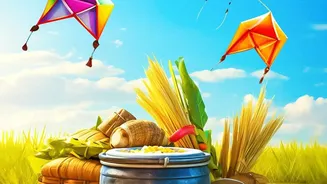
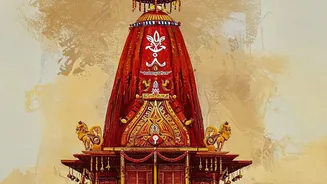
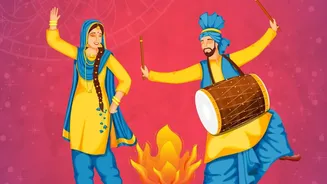
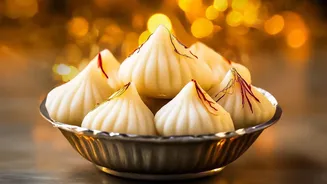
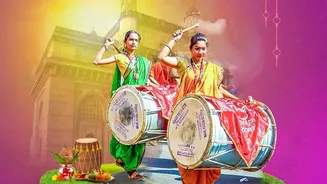
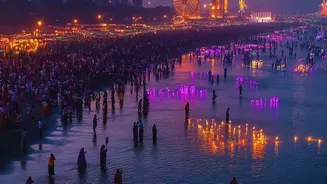
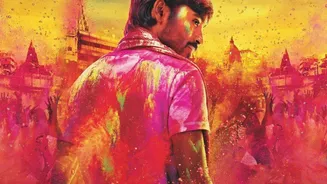
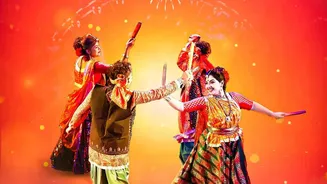
This trend is powered by India’s incredible diversity of celebrations. While major festivals like Diwali and Holi have always prompted travel, often to return to hometowns, the scope has now widened dramatically. Travellers are now journeying to experience festivals at their cultural heart. This includes the vibrant Garba nights of Navratri in Gujarat, the artistic pandals of Durga Puja in Kolkata, and the spiritual fervour of Ganesh Chaturthi in Mumbai. Beyond the religious, it's the cultural and contemporary festivals that are creating new tourist circuits. The Hornbill Festival in Nagaland offers a window into tribal traditions, the Pushkar Camel Fair provides a rustic spectacle, and the Rann Utsav transforms a salt desert into a cultural city for months. This packed calendar means there is always a reason to travel, no matter the time of year.
The Logistics of the Modern Mini-Break
This new travel culture is enabled by modern infrastructure and technology. The proliferation of budget airlines, better road connectivity, and the ease of booking flights and accommodations through apps have made spontaneous trips more feasible than ever. Travellers can strategically combine a festival with a public holiday to create an extended weekend getaway without dipping too much into their annual leave. Homestays and boutique hotels have also emerged as popular choices, offering a more authentic and localised experience compared to large chain hotels. Travel companies have been quick to cater to this demand, offering curated festival-led holiday packages that often include local craft workshops, food tours, and cultural explorations, making the experience seamless for the traveller.
Boosting Local Economies and Preserving Heritage
The impact of this trend extends beyond the individual traveller. Festival tourism provides a significant economic boost to host regions, especially in smaller towns and rural areas. The influx of visitors generates revenue for local artisans, hotels, restaurants, and transportation providers. Festivals like the Rann Utsav in Gujarat have seen visitor numbers more than double in recent years, demonstrating the immense economic potential. This tourism model also plays a crucial role in cultural preservation. By creating a commercial incentive to celebrate and showcase traditions, it helps keep intangible heritage alive, from Naga folk songs to Rajasthani puppet shows. It turns cultural celebrations into a sustainable engine for both economic growth and regional identity.