




A Flurry of Lunar Activity
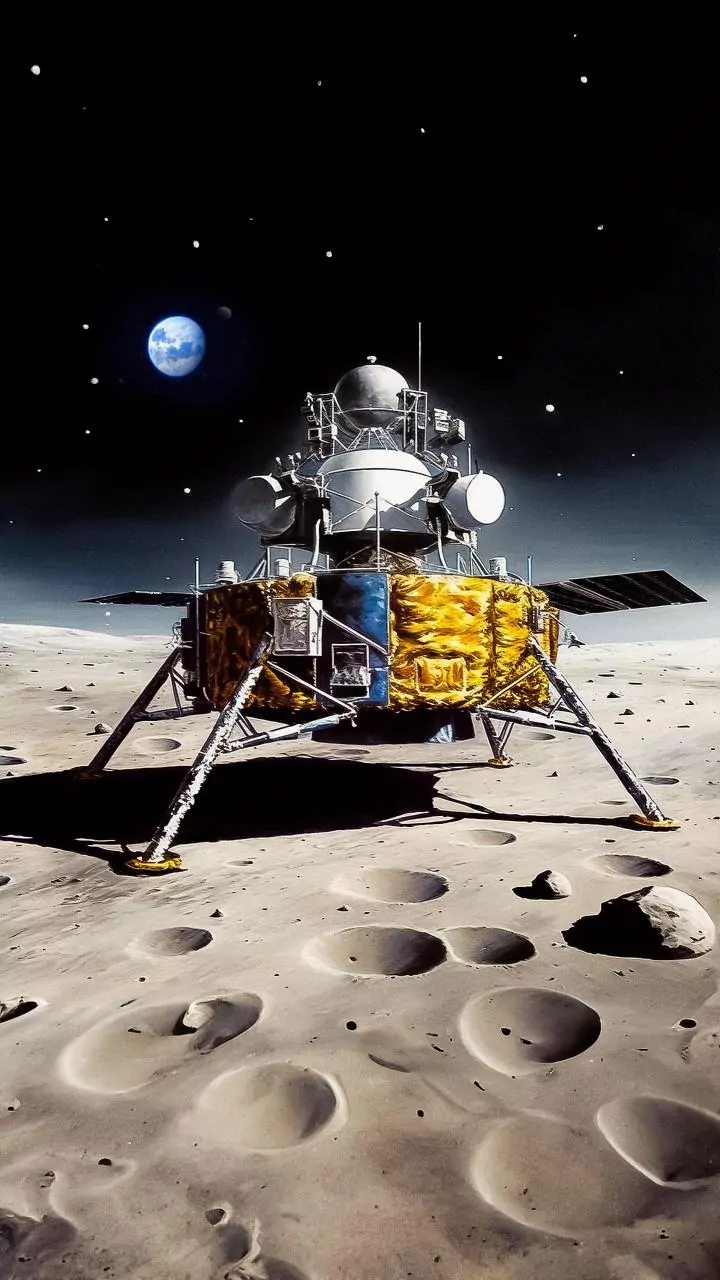
The Moon will be a major focus, with several nations and private companies targeting our celestial neighbour. China's Chang'e-7 mission is scheduled for a 2026 launch to the lunar south pole, a region believed to hold water ice. [2, 3] This mission includes
an orbiter, lander, rover, and a mini-flying probe designed to explore shadowed craters. [2, 4] The European Space Agency's Hera mission, a follow-up to NASA's DART asteroid impact test, is set to arrive at the Didymos asteroid system in November 2026 to survey the aftermath. [2] Additionally, Japan's Martian Moons Exploration (MMX) mission, launching in November 2026, will attempt the audacious goal of landing on Mars's moon Phobos and returning a sample to Earth. [2]
Humanity's Return to Deep Space
In a highly anticipated event, NASA's Artemis II mission is scheduled for April 2026, marking the first time in over 50 years that humans will travel beyond low Earth orbit. [4, 5] A crew of four astronauts will embark on a ten-day flight around the Moon, paving the way for future landings. [5, 9] While this mission won't land, its success is critical for the subsequent stages of the Artemis program, which aims to establish a sustainable human presence on the Moon. [8] However, the first lunar landing mission, Artemis III, has been pushed to 2027 and re-scoped as a low Earth orbit demonstration. The first crewed landing is now planned for Artemis IV in 2028. [12, 18, 19] India is also making significant strides in human spaceflight with its Gaganyaan program. The first uncrewed test flight, Gaganyaan-1, is targeted for as early as March 2026, a crucial step toward India sending its own astronauts into space. [11]
India's Interplanetary Ambitions
While India's Gaganyaan mission prepares to make history closer to home, the nation's sights are also set further afield. ISRO's Venus orbiter mission, Shukrayaan-1, is a key upcoming project. Although the primary launch date has been pushed to March 2028, 2026 remains a backup launch window depending on readiness and government approval. [22, 25, 27] The mission aims to conduct a comprehensive study of Venus's surface and atmosphere, investigating its mysterious geology and chemistry. [22] A successful Shukrayaan mission would cement India's position as a major player in interplanetary exploration, following the success of its Mars Orbiter Mission.
The Rise of Commercial Space
The year 2026 is not just about national space agencies. Private companies are playing an increasingly vital role. SpaceX's Starship, the most powerful rocket ever built, could see significant milestones, with Elon Musk suggesting a Mars launch attempt is possible. [3, 14] Blue Origin plans a robotic demonstration of its Blue Moon lander. [3] Perhaps most significantly, 2026 may see the launch of the first commercial space station, Haven-1, by the company Vast. [10, 11] These developments are crucial as NASA plans to transition from the International Space Station to commercially operated platforms by 2030. [10, 23, 24] These ventures represent a fundamental shift in the economics and accessibility of low Earth orbit. [10]