



In the world of interior design, a quiet but powerful revolution is taking place. Ancient crafts, once seen as relics of the past, are now the soul of the most modern homes, thanks to a beautiful synergy between artisans and designers.
A Renaissance of Craft
For generations,
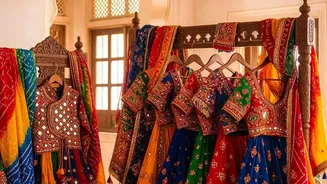
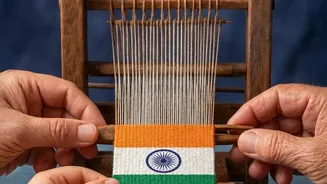
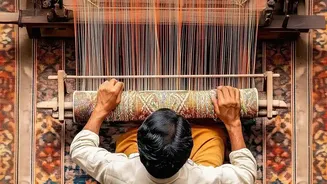
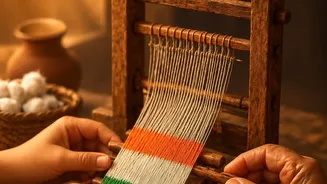
India's rich heritage of handicrafts was passed down through families, creating a vibrant tapestry of regional skills, from the woodcarvers of Saharanpur to the weavers of Kutch. However, with the rise of mass production, many of these timeless arts faced a decline, struggling to find relevance in a world of fast-changing trends. Today, that narrative is shifting dramatically. A new wave of conscious consumerism, a desire for authenticity, and a longing for unique, story-filled objects are driving a craft revival. Homeowners are looking beyond factory-made perfection and seeking pieces that have character, a human touch, and a connection to a larger story. This has opened the door for a powerful partnership that honours the past while designing for the future.
The Designer as a Cultural Bridge
In this creative ecosystem, the designer is much more than just a client; they are a cultural translator and a collaborator. They understand the immense skill and deep-rooted knowledge of the artisan, but also have a keen sense of the modern homeowner's needs—functionality, contemporary aesthetics, and global sensibilities. This partnership is not about 'instructing' an artisan to make a modern object. Instead, it is a dialogue rooted in mutual respect. Designers work with artisans to explore new forms, scales, and applications for traditional techniques, gently pushing the boundaries of the craft without losing its soul. The result is often something entirely new: a lighting fixture made using a bell metal technique from Odisha, or a minimalist textile pattern inspired by an ancient weaving style.
From Village Loom to Urban Living Room
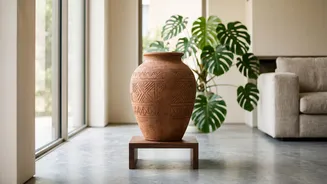
Across India, these collaborations are transforming homes and lives. In Andhra Pradesh, designer Ayush Kasliwal worked with master craftsman Sindhe Siva to reimagine leather puppetry, not for a stage, but as layered, hand-painted ceiling lamps that cast intricate patterns of light. In Jharkhand, designer Enakshi Ghosh collaborated with painter Manikchand Mahato to translate the vibrant Sohrai murals traditionally painted on mud walls onto terracotta pots, bringing the outdoor art form indoors. Elsewhere, designers are using sitalpati, a reed woven into mats in Assam, to create contemporary furniture and lampshades. Even global luxury brands like Dior have partnered with Mumbai's Chanakya School of Craft, bringing centuries-old embroidery techniques onto international runways and into high fashion.
More Than Just an Object
For the artisans, these partnerships provide more than just a livelihood; they offer sustainable income, global visibility, and a renewed sense of pride in their heritage. By adapting to modern markets, endangered craft forms are given a new lease on life, ensuring that these precious skills are passed on to the next generation. For consumers, the benefit is equally profound. Owning a handcrafted object is about more than just decoration; it's about bringing a story into your home. That hand-carved console or block-printed cushion is a tangible link to a community, a culture, and a real person whose skill and patience shaped it. It gives a room a soul that mass-produced items simply cannot replicate.
Bringing Heritage Home
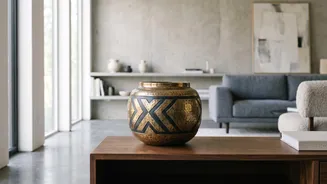
Integrating these pieces into a modern home doesn't require a complete design overhaul. In fact, crafts often shine brightest when placed in contrast with contemporary elements. The key is balance and thoughtful curation. Let one beautifully crafted statement piece, like a carved wooden panel or a sculptural brass vase, be the focal point of a room. Use handwoven textiles like cushions or throws to add pops of colour and texture to a minimalist sofa. Group smaller items, like handpainted plates or folk art masks, as a unique gallery wall. The goal is not to create a museum, but to weave elements of history, culture ,and human artistry into the fabric of your everyday life ,creating a space that is not only beautiful but also deeply meaningful.