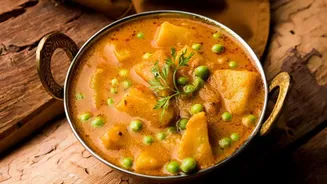





The sizzle of a tawa, the aroma of spices, and that final, glorious flourish of freshly chopped herbs. This is the magic of Indian cooking. But to get that bright, punchy flavour, timing is everything. A moment too soon can be the difference.
The Science of Scent and Flavour
The incredible
aroma and taste of fresh herbs like coriander, mint, and basil come from their essential oils. These oils are made of volatile compounds, which means they evaporate very quickly when exposed to heat. When you toss delicate herbs onto a hot tawa or into a simmering curry too early, you are essentially cooking off their flavour. The heat causes these delicate aromatic compounds to break down and escape as steam, leaving you with a dull, sometimes slightly bitter taste instead of a fresh, vibrant one. By adding them in the final moments of cooking, or even as a garnish after the heat is off, you allow the warmth of the dish to gently release the oils just before it's served. This ensures that the flavour is at its peak intensity when it reaches the plate.
Not All Herbs Are Created Equal
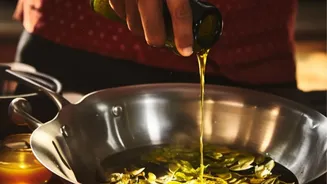
The key to mastering herbs is understanding that they fall into two main categories: delicate (or soft) and hardy (or woody). Delicate herbs have soft stems and tender leaves, like coriander, mint, basil, and dill. These are the ones you must protect from heat. They lose their flavour and bright colour quickly and should be added at the very end of the cooking process or used raw as a garnish. Hardy herbs, on the other hand, have tough, woody stems and more robust leaves. Think of rosemary, thyme, oregano, and bay leaves. These herbs can withstand longer cooking times. Their flavours are released slowly, infusing deep into broths, roasts, and sauces. In fact, heat helps soften their strong, pungent raw taste. A special case in Indian cooking is curry leaves; while they look delicate, they are best when fried or tempered in oil at the start to release their unique, toasty aroma into the dish.
The Tawa Test: Heat and Timing
The tawa is a perfect example of high, direct heat. When making dishes like aloo tikki, cheela, or stuffed parathas, the temptation is to mix fresh coriander into the batter or dough from the very beginning. While this works, you lose a significant amount of the herb's fresh perfume. For maximum impact, try a two-stage approach. Mix a small amount into your dough for a baseline flavour. Then, once your paratha or tikki is almost cooked, sprinkle freshly chopped herbs on top and press them gently onto the surface for the last few seconds of cooking. This 'finishing' touch will give you a powerful burst of fresh aroma that the earlier addition cannot match. Another method is to incorporate finely chopped herbs into a dollop of butter or ghee that you spread on the flatbread right after it comes off the tawa. The residual heat is just enough to warm the herbs without cooking them.
A Quick Guide to Common Indian Herbs
To make it simple, here’s a quick reference for some of the most-used herbs in Indian kitchens: Coriander (Dhaniya): This is the quintessential finishing herb. Its fresh, citrusy notes are extremely delicate. Always add it at the very end, after the flame is off, or as a raw garnish on dals, sabzis, and curries. The stems are also packed with flavour and can be finely chopped and added with the leaves. Mint (Pudina): Similar to coriander, mint has a cooling, sweet flavour that is quickly destroyed by heat. It's best used fresh in chutneys, raitas, and drinks. If adding to a hot dish like a biryani or pulao, stir it in just before serving to preserve its refreshing quality. Curry Leaves (Kadi Patta): These are the exception to the 'add-at-the-end' rule. Curry leaves release their wonderful, nutty aroma when fried in hot oil. Use them in your initial tempering (tadka) along with mustard seeds and other spices to build a flavourful base. Fenugreek Leaves (Methi): Fresh methi can be cooked as a main vegetable, but when using it as a herb in dishes like methi matar malai, it's often added during the cooking process to mellow its bitterness. The dried version, kasuri methi, should be crushed between your palms to release its oils and added in the last few minutes of cooking for that signature 'restaurant-style' flavour.