



Woven Warmth with Dhurrie Rugs
A handwoven dhurrie is one of the quickest ways to ground a room and add a layer of texture. Unlike high-pile carpets, a dhurrie is a flat-woven rug, traditionally made from cotton, wool, or jute. This construction gives it a lightweight, reversible,
and incredibly durable quality, perfect for high-traffic areas like living rooms and entryways. The texture ranges from the soft, breathable feel of cotton to the more rustic, earthy coarseness of jute. Look for dhurries from Rajasthan and Haryana, known for their tight panja-weaves and bold geometric or striped patterns. These rugs don’t just cover a floor; they introduce a tactile foundation that makes a space feel instantly more cohesive and inviting.
Layered Stories with Kantha and Block Prints
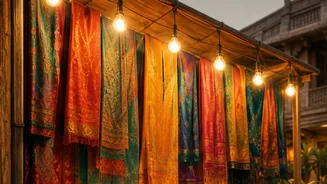
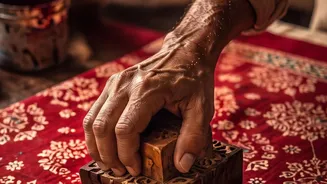
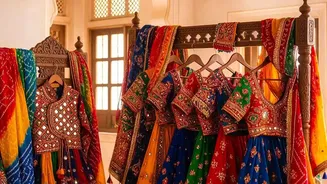
Textiles are the soul of Indian craft, and two traditions in particular offer immense textural appeal: Kantha and block printing. Kantha is an embroidery style from West Bengal, where layers of old cotton or silk saris are stitched together with thousands of simple running stitches. This process creates a distinctive, soft, and slightly rippled texture, perfect for quilts, throws, and cushion covers. Each handmade piece is entirely unique. Block printing, most famously from Rajasthan, involves stamping patterns onto fabric using hand-carved wooden blocks. The slight irregularities in the print give the fabric a lively, organic texture that machine-made textiles lack. Draping a Kantha throw over a sofa or using block-printed cotton for your curtains adds layers of handcrafted history and visual softness.
Earthen Elegance of Handmade Pottery
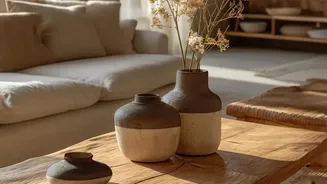
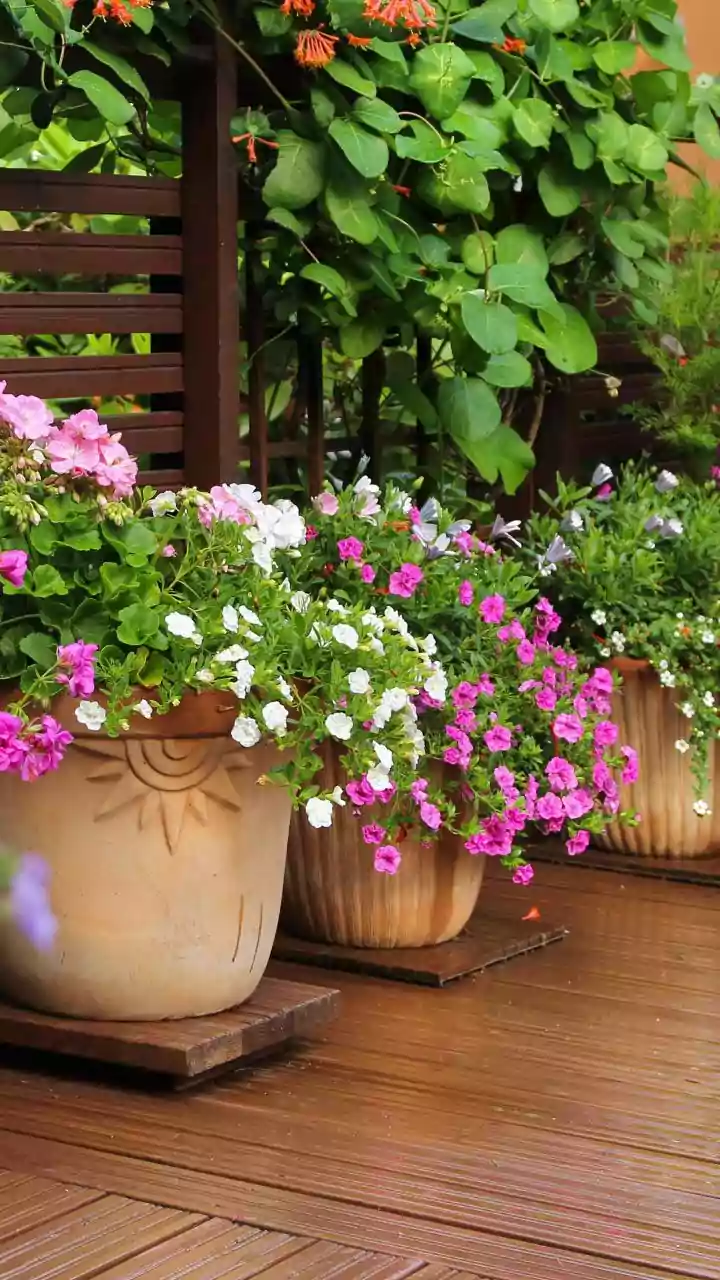
Nothing adds an earthy, grounding texture quite like handmade pottery. Markets across India overflow with ceramics that celebrate the artisan's touch. Look for pieces from Khurja in Uttar Pradesh, known as the 'Ceramic City'. Khurja pottery often features hand-painted floral motifs on durable stoneware, ideal for everything from decorative vases and planters to everyday tableware. The beauty lies in the subtle imperfections and the feel of the glaze, whether a high gloss or a contemporary matte finish. Arranging a cluster of small, hand-thrown terracotta pots or placing a single, large Khurja vase on a console table introduces a sculptural and tactile element that feels both ancient and modern. These pieces connect a room to the natural world in a deeply satisfying way.
Metallic Accents with Dhokra Art
For a texture that is both rustic and radiant, explore the world of Dhokra art. This ancient metal-casting technique, which uses the lost-wax method, has been practised for thousands of years by tribal communities in states like West Bengal, Odisha, and Chhattisgarh. Each piece, typically made from brass or bronze, is one-of-a-kind and has a distinctively grainy, antique finish. Dhokra artisans create a stunning range of items, from figurines of animals and deities to more abstract wall art. A Dhokra statue on a bookshelf or a set of framed Dhokra panels on a wall can serve as a powerful focal point. The texture of the cast metal catches the light beautifully, adding a touch of handcrafted luxury and historical depth to your decor.
The Rustic Touch of Carved Wood
Wood brings a natural, structural texture to interiors, and Indian artisans have mastered the art of carving it into intricate forms. From ornate jharokha-style mirrors that evoke Rajasthani palaces to simple, hand-carved decorative boxes, wooden handicrafts add warmth and dimension. Look for pieces made from mango wood or sheesham, which are often used for their durability and beautiful grain. The texture isn't just in the wood itself but in the carved details—the smooth curves of a floral motif or the sharp lines of a geometric pattern. A carved wooden panel hung as wall art, or even a set of rustic wooden bowls on a coffee table, can provide a much-needed organic counterpoint to sleek, modern furnishings, creating a space that feels balanced and soulful.