

A Taste of Tradition
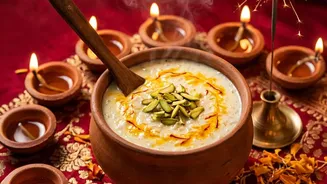
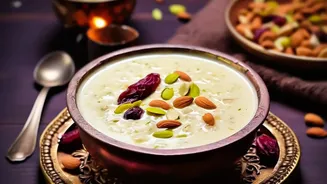
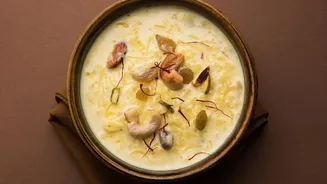
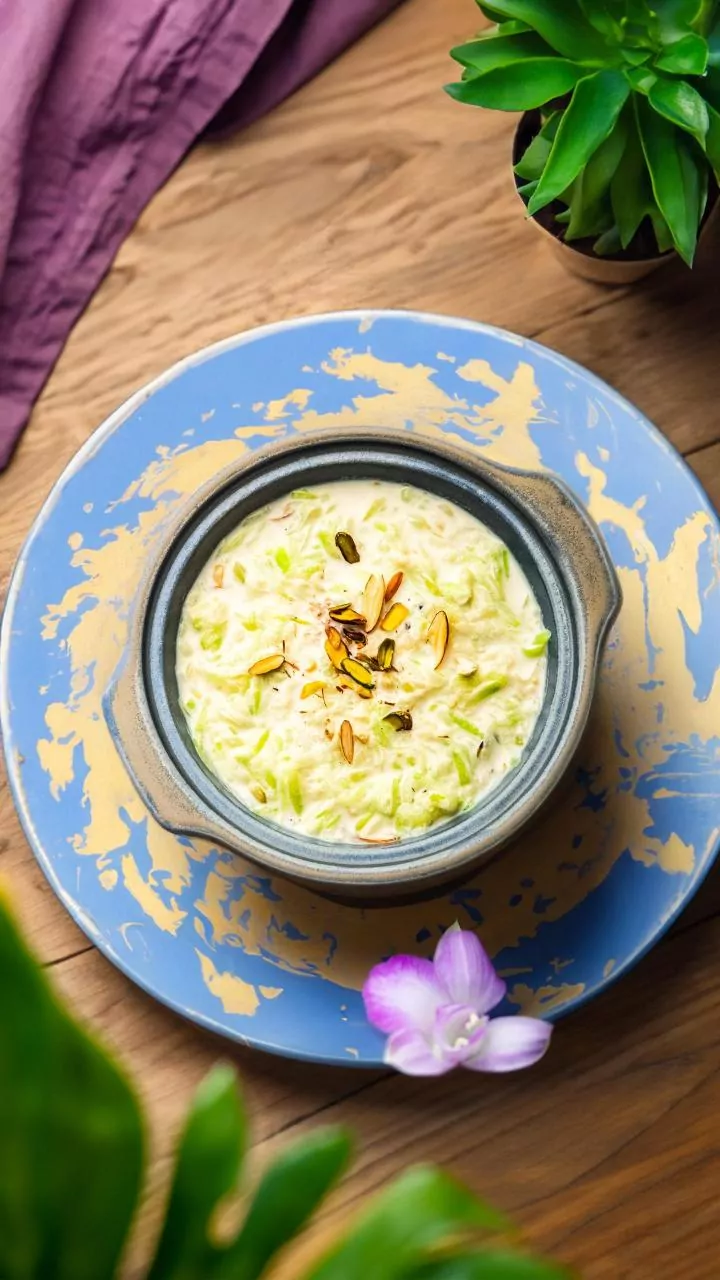
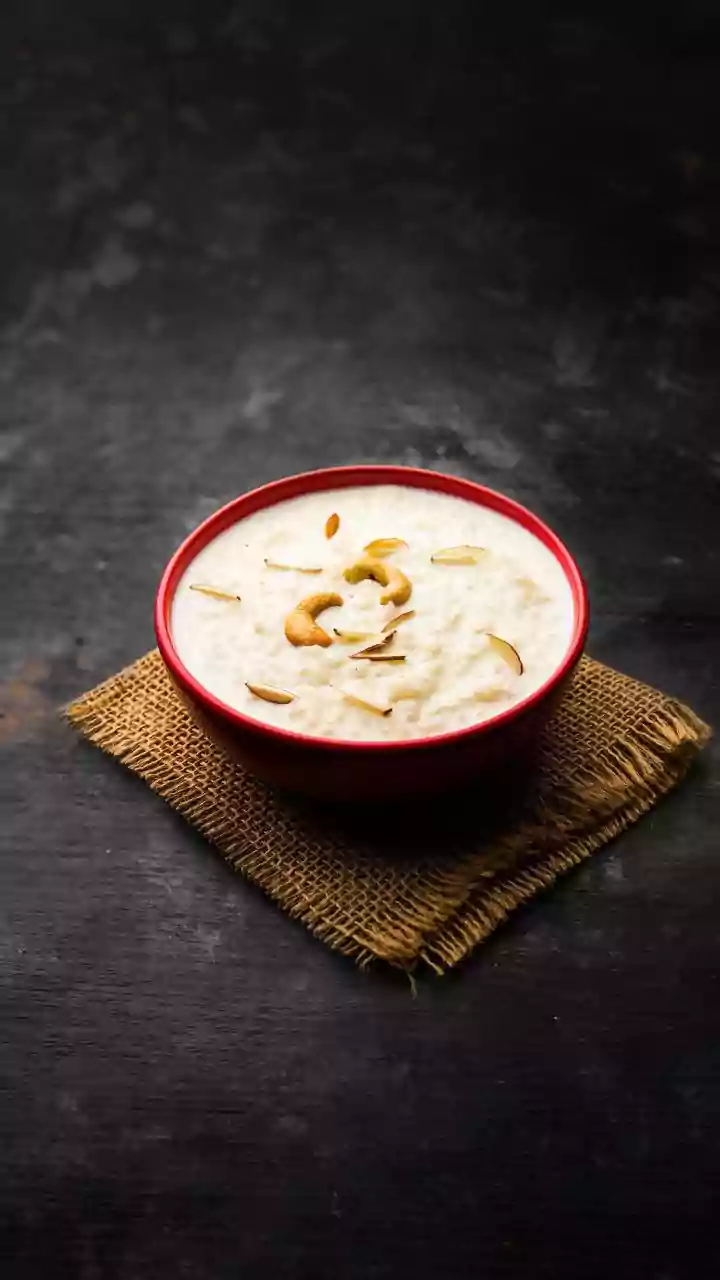
Ganne ki Kheer, also known as Rasiyawal or Ras ki Kheer, is a classic sweet dish particularly popular in states like Punjab, Bihar, and Uttar Pradesh. It is traditionally prepared during the winter harvest season and for festivals like Lohri and Makar
Sankranti, when fresh sugarcane is abundant. Unlike conventional kheer that relies on milk and sugar for its sweetness and creaminess, this version gets its character from the slow cooking of rice in pure sugarcane juice. The result is an earthy, caramel-like flavour that is both comforting and unique. While some variations exist, the core of the recipe is its beautiful simplicity, celebrating the natural sweetness of the sugarcane.
Essential Ingredients
The beauty of Ganne ki Kheer lies in its short and simple ingredient list. You won't need condensed milk or a lot of sugar, as the sugarcane juice does most of the work. Here’s what you’ll need: Fresh Sugarcane Juice (Ganne ka Ras): This is the star of the show. Use about 1 to 1.5 litres of fresh, clean juice. The colour and taste of your final kheer will depend heavily on the quality of the juice. Rice: About half a cup of rice is sufficient. Short-grain, aromatic rice varieties like Gobind Bhog or broken Basmati work wonderfully as they cook up creamy. Be sure to wash and soak the rice for at least 30 minutes before cooking. Aromatics: A few pods of green cardamom (elaichi), crushed, will add a beautiful fragrance that complements the sugarcane. Nuts and Garnish: A handful of chopped almonds, cashews, pistachios, or even roasted peanuts and coconut slices add a delightful crunch and richness. This is optional but highly recommended. * Milk (Optional): Some traditional recipes use a small amount of milk during the boiling process to help clarify the sugarcane juice, lifting impurities to the surface so they can be skimmed off. Other recipes add milk or khoya towards the end for extra creaminess.
Step-by-Step Preparation Guide
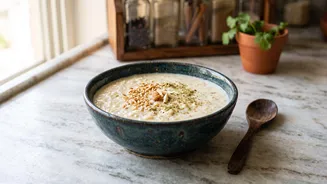
Making Ganne ki Kheer is a process of patience, allowing the flavours to develop slowly. Follow these steps for a perfect result: 1. Prepare the Juice: Pour the fresh sugarcane juice into a heavy-bottomed pan. Bring it to a boil over medium heat. As it heats, a layer of scum or foam may appear on the surface. Use a ladle or sieve to carefully remove these impurities. This step is crucial for a clean taste and appealing colour. 2. Cook the Rice: Once the juice is clear and boiling, drain the soaked rice and add it to the pan. Reduce the heat to low. Let the rice cook gently in the sugarcane juice, stirring occasionally to prevent it from sticking to the bottom. 3. Slow Simmering: This is where the magic happens. Allow the kheer to simmer on low heat for 25 to 40 minutes, or until the rice is completely cooked and tender, and the mixture has thickened to a pudding-like consistency. The liquid will reduce, and its colour will deepen. 4. Add Flavour and Garnish: Once the kheer reaches your desired thickness, stir in the crushed cardamom powder. If you're using nuts, you can add most of them now, saving a few for garnish. Some recipes also call for a spoonful of ghee at this stage for added richness. 5. Rest and Serve: Turn off the heat. The kheer will continue to thicken as it cools. You can serve it warm for a comforting winter treat or let it cool and refrigerate it for a refreshing dessert. Garnish with the remaining chopped nuts before serving.
Pro Tips for Perfect Rasiyawal
To ensure your Ganne ki Kheer turns out perfectly every time, keep these simple tips in mind. First, always use a heavy-bottomed pan to prevent the sugarcane juice and rice from scorching at the bottom, which can impart a burnt taste. Second, patience is key; do not rush the cooking process by turning up the heat. A slow, gentle simmer is essential for the rice to absorb the juice properly and for the kheer to develop its signature creamy texture. Finally, taste the sugarcane juice before you begin. Its sweetness will determine the final taste of the kheer, so no additional sugar is usually needed. The colour of your final dish will also depend on the freshness of the juice—fresher juice yields a lighter-coloured kheer.