







In the vast world of fitness, Zumba and Barre stand out as two incredibly popular, yet fundamentally different, group classes. One is a dance party, the other a lesson in precision. So, how do you choose? Let's break it down.
The Vibe: Dance Party vs. Focused Studio
A Zumba class feels like a party.
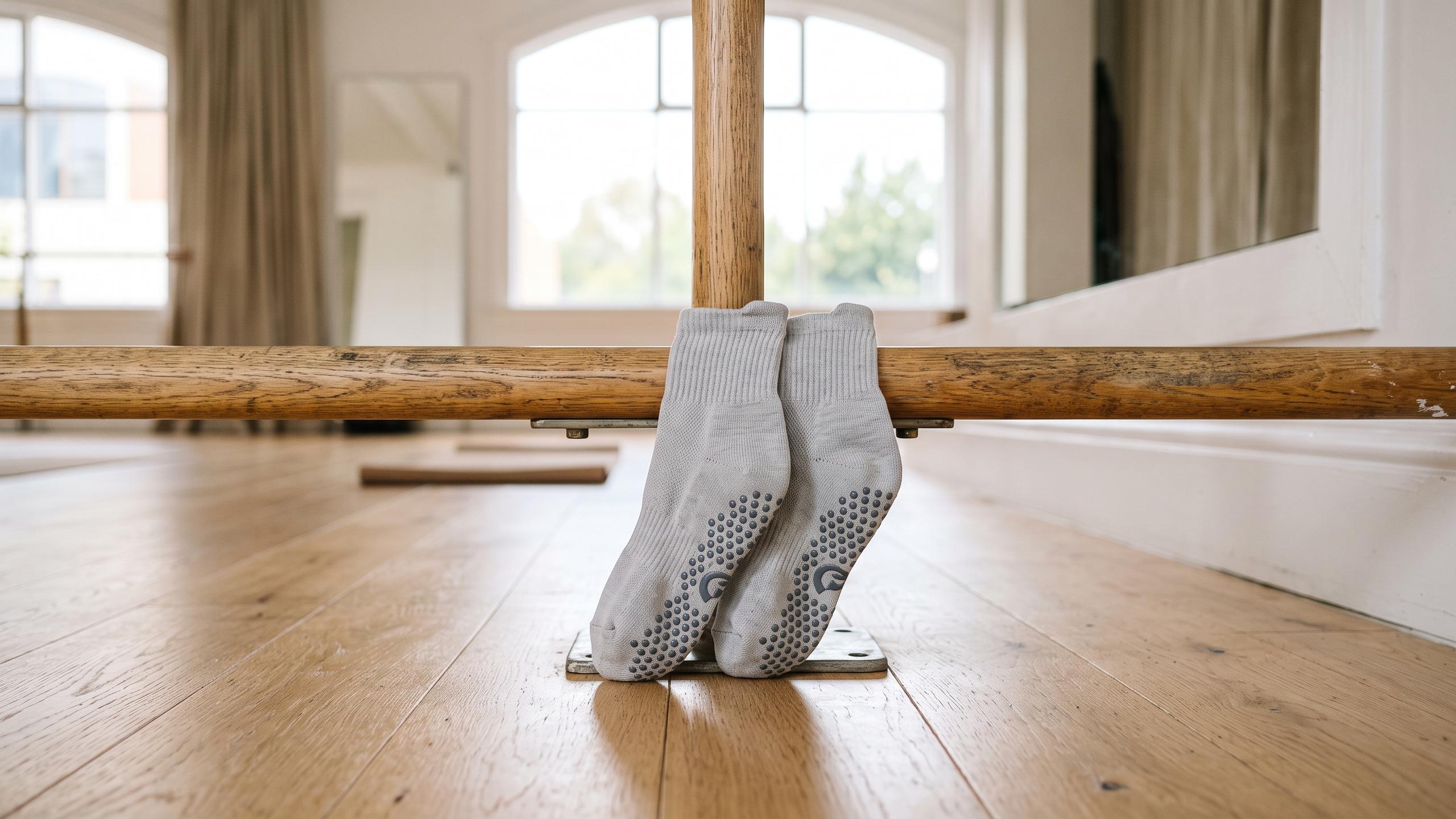
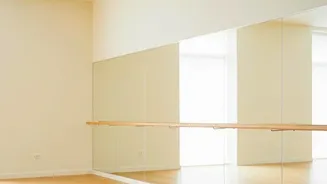
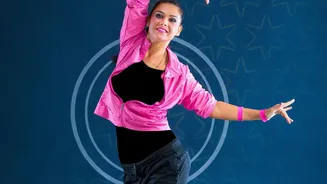
The music is loud, the energy is infectious, and the focus is on moving to Latin and international rhythms. It's a social, high-energy environment where the goal is to have fun while you sweat. Perfection isn't the point; participation and enjoyment are. In contrast, a Barre class has a more focused, concentrated atmosphere. Inspired by ballet, it uses a stationary handrail for support during a series of small, controlled movements. While the music is upbeat, the vibe is less about a party and more about precision, control, and connecting with the muscles you're working.
The Movements: Big and Expressive vs. Small and Controlled
The headline says it all: Zumba is defined by its high-energy dance movements. You'll engage in full-body, rhythmic steps inspired by salsa, merengue, and reggaeton. The choreography is designed to be easy to follow, encouraging big movements that get your heart rate up. It's a full-body cardio workout disguised as a dance session. Barre, on the other hand, is the home of the micro-movement. The exercises are based on small, isometric contractions — think tiny pulses and holds that target specific muscle groups like your thighs, glutes, and core. You'll work muscles to the point of fatigue, often feeling a shake, which is a sign you're building endurance and strength on a deep level.
The Intensity: Cardio Blast vs. Slow Burn
If your primary goal is a major cardiovascular workout, Zumba is a clear winner. The continuous, fast-paced nature of the class keeps your heart rate elevated, making it an excellent option for improving heart health and burning calories. A typical hour-long session can burn anywhere from 400 to 900 calories, depending on your intensity. Barre offers a different kind of intensity—a muscular 'slow burn'. While it does have cardio elements, its main focus is on muscular endurance. The high-repetition, low-weight (or bodyweight) exercises create a deep burn that sculpts and tones muscles without the high impact of a cardio class. Calorie burn is typically lower than Zumba, around 300 to 450 calories per class.
The Benefits: Heart Health vs. Toned Muscles
Zumba's primary benefits are tied to its aerobic intensity. It's fantastic for improving cardiovascular health, boosting endurance, and can be a powerful tool for weight loss due to its high calorie burn. It also enhances coordination and can be a significant mood booster, releasing endorphins that help reduce stress. Barre excels in building lean muscle, improving posture, and increasing flexibility. The small, controlled movements are low-impact, making it a great option for those who want to build strength without putting stress on their joints. It's highly effective for toning specific areas, particularly the glutes, legs, and core, leading to a 'sculpted' look.
So,' Which One Is for You?
Choosing between Zumba and Barre comes down to your personality and fitness goals. Choose Zumba if you love to dance, want a high energy,' social atmosphere,' and are primarily focused on cardio fitness and weight loss. If the idea of a workout feeling like a party excites you,' and you don't want to worry about perfect form,' you'll feel right at home.' Choose Barre if you're seeking a low impact workout that builds long,' lean muscles and improves posture.' If you enjoy focused,' methodical exercises that challenge your muscular endurance and you find satisfaction in precision and control,' Barre will be a better fit.' You don't need any dance experience for it,' just a willingness to embrace the burn.