





Start With a Better Towel
The first step to better-dried hair begins the moment you step out of the shower. Vigorously rubbing your hair with a standard coarse cotton towel is one of the biggest causes of frizz and breakage. Traditional towels have rough loops that snag on the hair's
cuticle, lifting it up and creating a frizzy halo. Instead, switch to a microfibre towel or even a soft, old cotton t-shirt. These materials are much gentler and have a smoother surface. Microfibre towels are especially effective as they are made of ultra-fine, densely packed fibres that absorb a high amount of water quickly without friction. Instead of rubbing, gently squeeze or blot sections of your hair to remove excess water. This simple change can significantly cut down your drying time and reduce frizz before you even apply any product.
Focus On Your Scalp
One of the most overlooked aspects of monsoon hair care is scalp health. The high humidity means your scalp often remains damp for extended periods, creating the perfect warm, moist environment for fungal and bacterial growth. This is why many people experience increased itchiness, dandruff, and even scalp infections during the rainy season. Never tie your hair up when it's wet, as this traps moisture at the roots and makes the problem worse. If you get caught in the rain, make it a priority to at least rinse your hair with clean water as soon as possible, as rainwater can contain pollutants that irritate the scalp. Ensuring your scalp gets completely dry is the single most important habit to prevent these issues.
The Smart Way to Blow-Dry
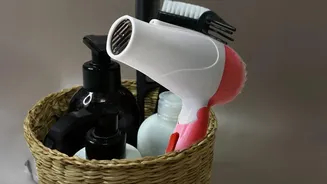
While air-drying seems like the gentlest option, it can be counterproductive during the monsoon. When hair takes hours to dry naturally in humid air, the hair shaft remains swollen and weak, leading to a condition called hygral fatigue and increased breakage. The ideal solution is a combination approach. Let your hair air-dry until it's about 70-80% dry, and then use a blow-dryer on a low-heat or cool setting to finish the job, focusing on the roots. Always use a heat protectant spray to shield your strands. Direct the airflow down the hair shaft, from root to tip, as this helps to smooth the cuticle and lock out frizz. For those with wavy or curly hair, a diffuser attachment is essential; it distributes heat gently, enhancing your natural pattern without creating frizz.
Use Products That Block Humidity
The right products act as a shield against the humidity that causes hair to swell and frizz. An anti-frizz or anti-humidity serum is a must-have in your monsoon toolkit. These products typically contain ingredients like silicones that form a lightweight, protective barrier over the hair cuticle, preventing it from absorbing excess moisture from the air. Apply a small amount to your damp (not soaking wet) hair, concentrating on the mid-lengths and ends. A leave-in conditioner can also help, but ensure it's a lightweight formula that won't weigh your hair down in the humid weather. On days when you don't wash your hair, a good dry shampoo can be a lifesaver, absorbing excess oil and moisture at the roots to give your hair a refreshed look.
Protect Your Hair While It Dries
How you handle your hair while it's drying is just as important as the drying method itself. The golden rule is: hands off. Constantly touching, scrunching, or running your fingers through your hair as it dries can disrupt the strand formation and create frizz. If you need to detangle, use a wide-tooth comb on damp, conditioned hair, starting from the ends and gently working your way up to the roots to minimize breakage. Once your hair is completely dry, consider protective hairstyles like loose braids or a low bun. These styles help keep your hair contained and less exposed to the humid air, preserving your smooth finish for longer.