






A Galaxy of Policy Changes
The foundation for this new era was laid with key policy reforms, most notably the Indian Space Policy of 2023. This landmark policy formally opened the door for private companies to participate in end-to-end space activities. It clearly demarcated the roles
of different entities: ISRO would focus on research and development of new technologies and deep space missions, while its commercial arm, NewSpace India Limited (NSIL), would handle the commercialization of existing technologies. Crucially, the government also established the Indian National Space Promotion and Authorization Centre (IN-SPACe) as a single-window agency to promote, authorize, and supervise private space activities. This move was designed to streamline the notoriously complex process of getting a space mission off the ground, reducing approval times and providing non-discriminatory access to ISRO's world-class facilities for private players.
ISRO's New Role: From Player to Coach
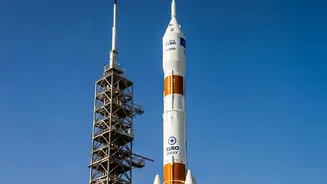
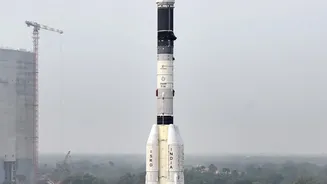
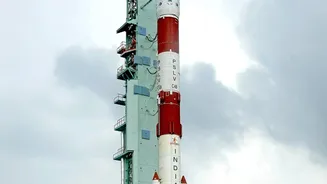
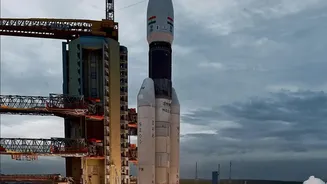
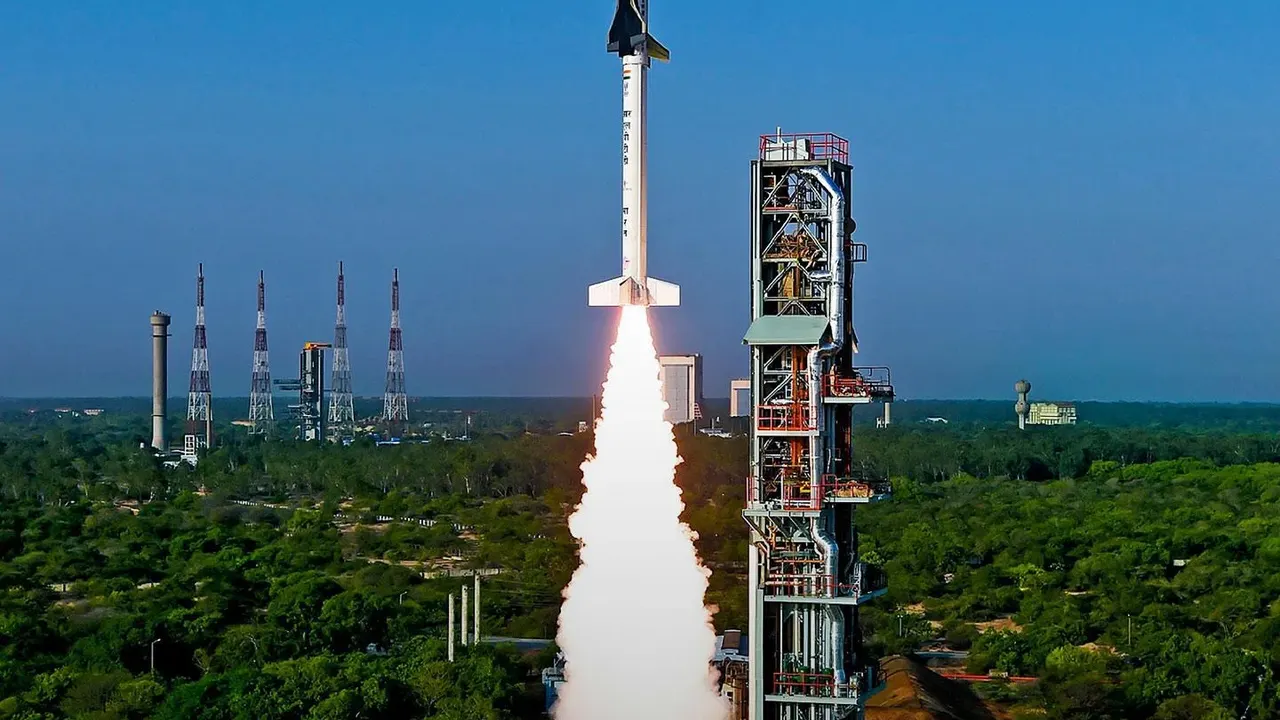
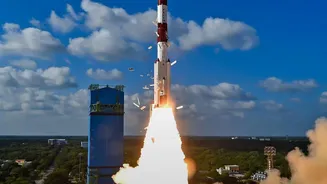
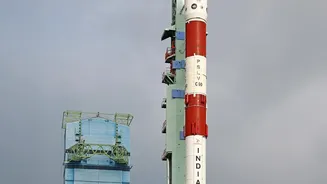
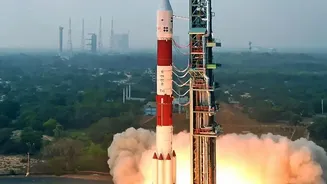
With the new policy framework in place, ISRO's relationship with the private sector has fundamentally changed. Instead of being the only entity launching rockets and building satellites, ISRO now acts as a mentor and partner. Through NSIL, it transfers proven technologies, like the workhorse Polar Satellite Launch Vehicle (PSLV), for production by industry consortiums. This frees up ISRO's scientists and engineers to concentrate on pioneering projects like the Gaganyaan human spaceflight mission and advanced planetary exploration. Furthermore, by opening its launchpads, testing facilities, and tracking networks to startups, ISRO is significantly lowering the barrier to entry. This 'hand-holding' approach helps young companies avoid prohibitive capital expenditure, allowing them to focus their resources on innovation.
The Rise of India's 'Space-Preneurs'
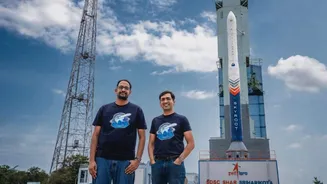
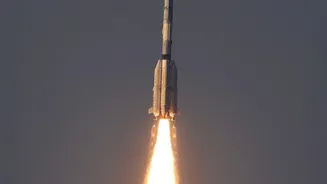
The result of these changes has been a boom in the Indian space startup ecosystem. The number of startups has surged, from just a handful a decade ago to nearly 400 in 2026. Companies like Skyroot Aerospace and Agnikul Cosmos are at the forefront of the launch vehicle segment. Skyroot made history by launching India's first privately developed orbital rocket, Vikram-1, in July 2026. Agnikul has established its own mission control room at ISRO's launch facility and is developing rockets with 3D-printed engines. These companies are not just mimicking ISRO's technology; they are innovating with a focus on reusability and cost-effectiveness to compete in the global market.
Beyond Launch: The Downstream Effect
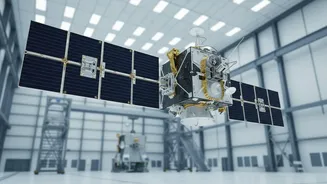
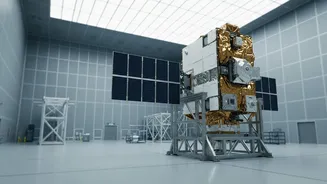
The opportunities extend far beyond just building rockets. A vibrant ecosystem is developing across the entire space value chain. Startups like Pixxel are deploying constellations of hyperspectral imaging satellites to provide valuable data for agriculture, climate monitoring, and more, attracting significant global investment. Dhruva Space is a leader in building satellite platforms and deployers for a range of applications. Other companies are focusing on critical subsystems, ground station services, and data analytics, creating a robust domestic supply chain. This downstream market, which involves using satellite data to create services for various industries on Earth, is projected to be a massive area of growth.
Challenges on the Horizon
Despite the incredible momentum, the path forward is not without its challenges. Space ventures are capital-intensive with long development cycles, which can be difficult for many venture capital models. While investment has grown, startups still face a 'mid-stage' funding gap as they look to scale from prototypes to commercial operations. Furthermore, while IN-SPACe has streamlined regulations, navigating the complexities of space law, spectrum allocation, and export controls remains a hurdle. Finally, Indian startups face stiff global competition from established players like SpaceX, which has a significant head start in launch frequency and reusability.