




In cities across India, the family portrait is changing, and so is the living room. As pets graduate from the backyard to the bedroom, they are now central figures in home design, prompting a new wave of pet-friendly interior transformations.
More Than a Pet, a Family Member
The driving
force behind this trend is a fundamental shift in perspective: pets are no longer just animals we own; they are family. This has led urban homeowners to move beyond simply 'pet-proofing' their spaces. Instead, they are thoughtfully redesigning them to integrate their pets' needs for comfort, play, and safety directly into the home's aesthetic. The goal is no longer just to prevent damage, but to create a harmonious environment where both humans and animals can thrive together. This involves a conscious selection of materials, furniture, and layouts that cater to everyone, ensuring the living room remains the heart of the home for all its occupants, two-legged or four.
Furniture That Works for Everyone
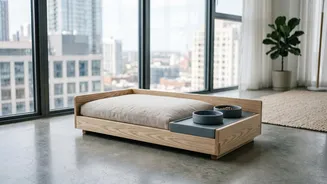
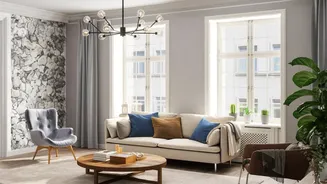
The sofa, often the centerpiece of the living room, is the first item to get a pet-friendly makeover. Delicate fabrics like silk or loose weaves like bouclé are being swapped for more robust materials. High-performance fabrics, microfiber, and tightly woven canvases are popular choices because they resist stains, are easier to clean, and prevent claws from snagging. For those who prefer a premium feel, semi-aniline leather is a practical option for dog owners as it is durable and wipes clean easily, while cat owners may find performance fabrics a safer bet against deep scratches. Furniture with metal or chrome legs is also gaining favour over chewable wooden ones. Beyond materials, multi-functional furniture is on the rise, with side tables that double as pet beds and ottomans that offer hidden storage for toys.
Floors and Walls Built for Play
Flooring takes the brunt of pet activity, from muddy paws to the occasional accident. Highly polished, slippery surfaces are being replaced with options that offer better grip and durability. Vitrified or porcelain tiles with a matte finish are a leading choice in Indian homes, as they are scratch-resistant, easy to mop, and stay cool in the summer. For walls, especially in high-traffic areas, families are opting for scrubbable or satin-finish paints that allow for easy cleaning of smudges and marks. Some designers also use decorative panelling on the lower half of walls to add a layer of protection against scuffs.
Creating Stylish, Dedicated Pet Zones
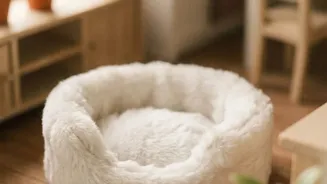
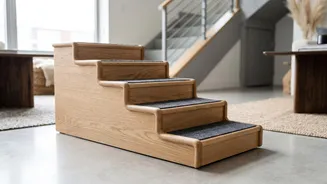
Integrating a pet's space into the living room without it looking like an afterthought is key. This means moving beyond a simple cushion in the corner. Designers are now incorporating builtin nooks under consoles or staircases, creating cosy, denlike spaces for pets to rest while remaining close to the family. Feeding stations are being integrated into kitchen or utility cabinetry to keep bowls off the floor and maintain a clean look. Stylish storage solutions, like woven baskets that match the decor, are used to corral toys and supplies, ensuring the living room remains tidy and uncluttered.
Thinking Vertically in Compact Homes
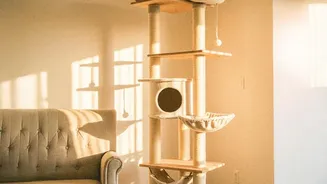
In space-$conscious urban apartments,$ designers are looking upwards.$ For cat owners,$ in particular,$ vertical space is a valuable asset for play and rest.$ Instead of bulky,$ traditional cat trees,$ sleek,$ wall-'mounted shelves,$ perches,$ and bridges are becoming popular.$ These elements are often made from materials like solid wood and sisal that complement modern interiors.$ They satisfy a cat’s natural instinct to climb and observe from a height,$ while preserving precious floor space and transforming a plain wall into an interactive feature for their feline family member.