






The Great Burnout Escape
The primary driver behind this shift is unmistakable: widespread burnout. With demanding work cultures, long hours, and the 'always-on' pressure of digital connectivity, many young professionals feel perpetually exhausted. According to Deloitte’s Global
Gen Z and Millennial Survey, a staggering 70% of Indian Gen Zs and 64% of Indian millennials report experiencing burnout. In this context, a vacation is no longer an indulgence but a crucial tool for mental and physical maintenance. Travel is emerging as a powerful coping mechanism, an opportunity to intentionally disconnect from routines that fuel stress and anxiety. The focus has shifted from seeing attractions to finding genuine respite from the relentless pace of urban life.
From 'FOMO' to the 'Joy of Doing Nothing'
For years, travel was driven by the Fear Of Missing Out (FOMO), a desire to visit trending destinations and rack up experiences for social media. That is now being replaced by the Joy Of Missing Out (JOMO). Travellers are actively seeking out quieter, offbeat destinations and deliberately avoiding over-packed schedules. This trend, often called 'slow travel', prioritises depth over distance. Instead of rushing through multiple cities, people are choosing to stay in one place for longer, whether it's a week-long workation from a mountain homestay or a weekend at a quiet beach resort. The goal isn't to accumulate photos, but to achieve a state of mental clarity and rest that is impossible to find in daily life. The best holiday is now judged by how rested you feel upon return, not by how many landmarks you ticked off a list.
The Rise of the Wellness Itinerary
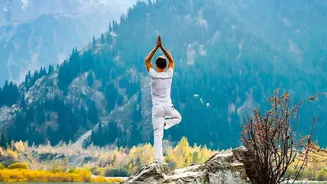
This conscious pursuit of rest has supercharged India's wellness tourism sector. The wellness tourism market in India was valued at nearly $20 billion in 2024 and is projected to grow significantly. Young travellers are now the driving force behind this growth, seeking out experiences that go beyond a simple holiday. Instead of conventional sightseeing, itineraries are now built around yoga programmes, Ayurvedic consultations, guided meditation, and digital detoxes. Destinations like Rishikesh, Kerala, and Dehradun are becoming hubs for structured wellness retreats that cater specifically to a younger demographic looking for holistic healing. These trips are defined by their intention: the destination might be the same, but the experience is focused entirely on rejuvenation.
The Luxury of Logging Off
A key component of recovery travel is the digital detox. In a world where the average person checks their phone nearly 100 times a day, the ability to be unreachable has become a sought-after luxury experience. Retreats offering phone-free environments and limited Wi-Fi are gaining immense popularity. This deliberate disconnection is not seen as a deprivation but as the entire point of the trip. It allows for a deeper connection with oneself and the surrounding environment, fostering mindfulness and genuine human interaction. From Himalayan retreats to coastal wellness centres in Goa, these havens provide a sanctuary from the incessant pings and notifications that dominate modern life, allowing the nervous system a chance to truly reset.
A New Definition of Travel
Ultimately, the move towards rest and recovery travel represents a profound redefinition of what a vacation is for. It is shifting from an external performance—impressing others with where you have been—to an internal investment in one's own well-being. The rise of remote and hybrid work models has also made these kinds of trips more accessible, allowing people to blend work with longer, more restorative stays. Whether it's a short 'napcation' designed purely for sleep, a solo trip for introspection, or a month-long slow travel journey, young Indians are making it clear that the most valuable souvenir a trip can offer is not a memento, but a restored sense of self.