






Understanding Low-Impact Cardio
First, let's clarify what 'low-impact' really means. An exercise is considered low-impact if it minimizes stress on the joints, particularly the ankles, knees, and hips. In these activities, at least one foot typically remains in contact with the ground
or a piece of equipment at all times. This is in direct contrast to high-impact exercises like running, jumping rope, or plyometrics, where both feet leave the ground simultaneously, creating a jarring force upon landing. Low-impact cardio is not synonymous with low intensity. It simply describes the amount of force exerted on your joints, making it an excellent choice for individuals with arthritis, those recovering from injury, or anyone seeking a more sustainable, joint-friendly fitness routine.
How Your Heart Benefits
Your heart is a muscle, and like any muscle, it gets stronger with exercise. The key to improving cardiovascular health isn't the impact on your joints, but the challenge placed on your heart and lungs. Low-impact exercises are highly effective at elevating your heart rate into the optimal training zones needed to boost endurance and efficiency. Consistent low-impact cardio helps strengthen the heart muscle, improve circulation, and regulate blood pressure. Over time, this makes your heart more efficient, allowing it to pump more blood with less effort, which reduces your overall risk of heart disease. The American Heart Association recommends at least 150 minutes of moderate-intensity aerobic activity per week, a goal easily achieved through low-impact exercises.
Intensity Is the Key, Not Impact
A common misconception is that low-impact workouts are less effective for burning calories or improving fitness. However, the effectiveness of a cardio session is determined by its intensity and duration, not its impact level. You can easily ramp up the intensity of a low-impact workout to match the cardiovascular challenge of a high-impact one. For example, you can increase your speed while walking, add an incline on a treadmill, boost the resistance on an elliptical or stationary bike, or move your arms more vigorously during a swim. Because these activities are easier on the body, you may be able to exercise for longer periods or more frequently, leading to greater cumulative benefits for both heart health and weight management over time.
Top Low-Impact Exercises to Try
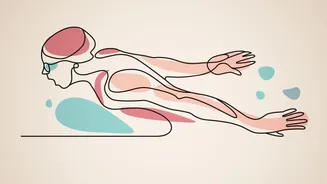
The beauty of low-impact cardio is the sheer variety of options available, ensuring there's something for every fitness level and preference. Brisk walking is one of the most accessible and effective choices, requiring no special equipment. Cycling, whether outdoors or on a stationary bike, is excellent for building leg strength and endurance with minimal strain on the knees. Swimming is a full-body workout where the water's buoyancy supports your weight, making it ideal for those with significant joint pain. Other fantastic options include using an elliptical trainer, which mimics running without the impact, rowing, which engages both the upper and lower body, and even some forms of dancing.