
Catch the Last of the Perseids
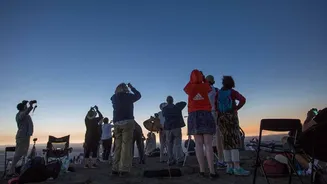
The famous Perseid meteor shower, which peaked around August 12-13, is still active until the end of the month. While the most intense part of the show is over, you can still catch stray 'shooting stars' in the late hours. The Perseids are bits of debris
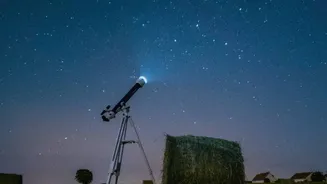
left by Comet Swift-Tuttle, and they burn up in our atmosphere creating brilliant streaks of light. For your best chance, find a dark location away from city lights after midnight, let your eyes adjust for about 20-30 minutes, and look towards the northeast. While the monsoon can be a challenge, regions like Ladakh, the Spiti Valley, and parts of western Rajasthan may offer clearer skies.
Saturn Shines Bright
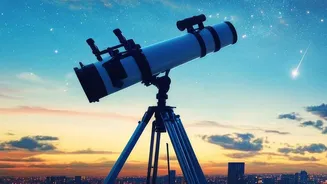
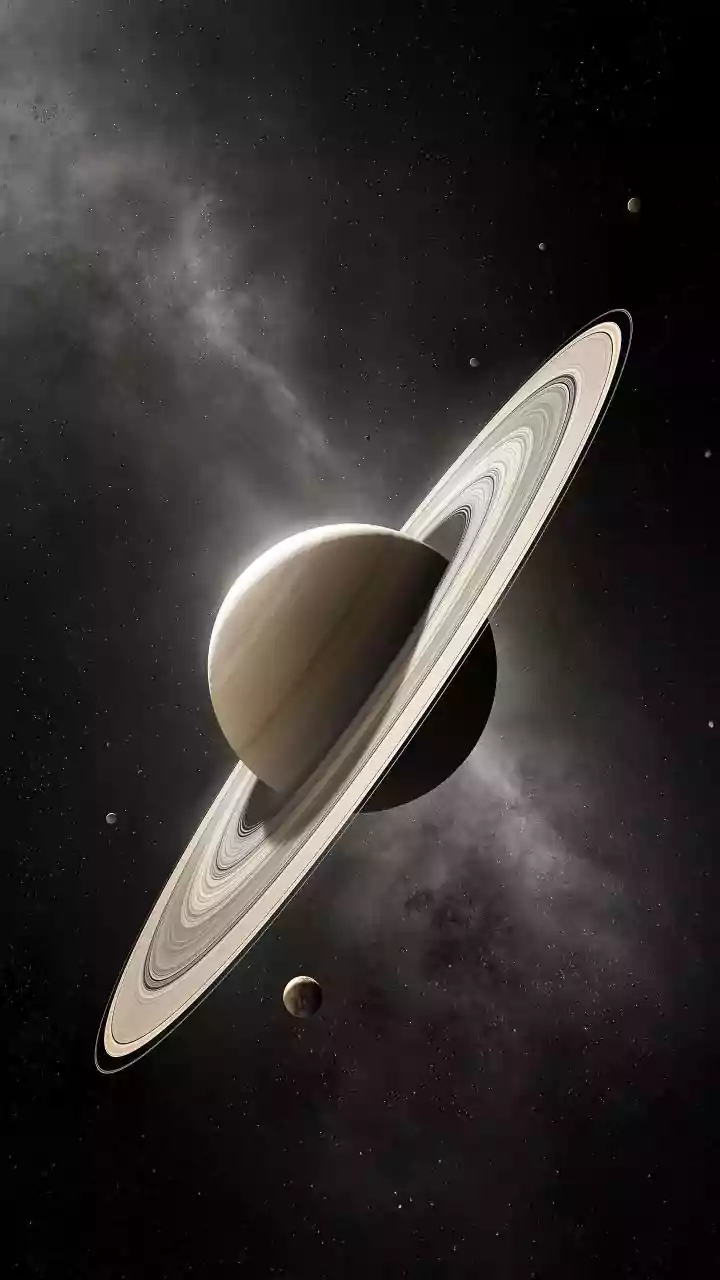
The ringed planet, Saturn, is a prominent feature in the late August sky. It will be visible for much of the night, rising in the east and making its way across the sky. While its official 'opposition'—when it is at its brightest and closest to Earth for the year—is in early October, it is already a magnificent sight. Even a basic pair of binoculars will reveal it as more than just a star, but a small telescope is needed to get a glimpse of its iconic rings. Look for a steady, yellowish point of light. On August 21, Venus and Saturn are in opposition, an astronomical event where they appear on opposite sides of the sky.
A Parade of Morning Planets
The pre-dawn sky is currently hosting a lineup of planets. If you are an early riser, you have the chance to spot Mars, Jupiter, and Mercury. Mars, the Red Planet, will be visible in the early morning hours. Jupiter will also appear low in the eastern sky before sunrise, though it can be tricky to see as it is close to the Sun's glow. A clear horizon is essential for spotting both Jupiter and Mercury. While a major six-planet alignment was a highlight around August 12, several of these worlds remain scattered across the morning canvas for dedicated observers to find.
Brilliant Venus in the Evening
Once the Sun goes down, your stargazing session can begin with the brightest planet of them all: Venus. Known as the 'Evening Star', it will be a dazzling, unmissable beacon in the western sky shortly after sunset. Its brightness is so intense that it's often the first point of light to appear in the twilight. Its visibility improves as the sky darkens. You won't need any special equipment to see it; its brilliance stands out all on its own, making it a perfect and easy target for even the most casual sky-watcher.
The Best Nights for Deep Sky Views
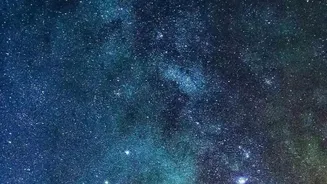
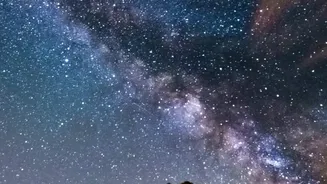
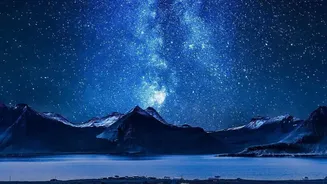
The best time for stargazing is always around the New Moon, as the absence of moonlight creates the darkest possible skies. The New Moon for August occurred around the 12th, which provided ideal conditions for the Perseid peak. As the month progresses, the Moon will grow fuller, reaching its First Quarter on August 19. While a brighter moon washes out fainter stars and meteors, the evenings leading up to the Full Moon at the end of the month can still be used to observe bright planets like Venus and Saturn. For those seeking to view the faint, milky band of our own galaxy, the Milky Way, planning your session for when the Moon is not in the sky is key.